-
Shop
- Adidas
- Advanced Technologies
- AI Skills Mastery 2026 Collection
- Astrology & Tarot Products
- Beauty
- Beauty Guides Collection
- Best-Sellers
- Car Accessories
- Confidence
- Dating & Social Skills
- Digital Resources
- AI & Technology
- AI Skills
- Budgeting & Saving
- Car Buying & Ownership
- Cozy Feast Collection
- Electronics & Technology
- Emotional Intelligence
- Entrepreneurship & Business Growth
- Financial Education
- Financial Independence
- Financial Mindset & Psychology
- Goal Setting
- Hobbies
- Home Styling & Organization
- Kitchen & Recipes
- Leadership
- Mindfulness
- Mindset
- Motivation
- Online Business
- Parenting & Child Development
- Pet Lifestyle & Wellness
- Positive Thinking
- Productivity
- Self Confidence
- Sleep Improvement
- Smart Life with AI
- Stress Management & Relaxation
- Travel Planning
- Yoga & Fitness
- Yoga & Mind-Body Practices
- Education & Learning
- Family & Parenting
- Fashion
- Alexander McQueen
- Bags
- Bags & Wallets
- Balenciaga
- Belts
- Blazers
- Bottega Veneta
- Brunello Cucinelli
- Burberry
- Chanel
- Chloé
- Dior
- Dolce & Gabbana
- Dresses
- Etro
- Fendi
- Gucci
- Hats & Hair Accessories
- Hoodies & Sweatshirts
- Jacquemus
- Jil Sander
- Keychains
- Kiton
- Luggage
- Miu Miu
- Off-White
- Outerwear
- Prada
- Rick Owens
- Saint Laurent
- Shoes
- Socks & Tights
- Sweaters & Cardigans
- The Row
- Tom Ford
- Tops & Shirts
- Valentino
- Valentino Garavani
- Versace
- Vivienne Westwood
- Watches
- Fashion Accessories
- Furniture
- Gadgets
- Health & Beauty
- Health & Wellness
- Home & Garden
- Home Supplies
- Jewelry
- Kids & Babies
- Kitchen
- Kitchen Best-Sellers
- Nike
- Patio, Lawn & Garden
- Personal Growth
- Personal Style & Fashion
- Pet Care
- Pet Supplies
- Pets
- Smart Home Living Guides
- Sport & Outdoors
- Stress Relief & Relaxation
- Super Deals
- TikTok Growth & Monetization Mastery
- Travel
- Travel & Adventure
- Wealth
- Wellness
- Popular
- Best deals
YouTube Monetization Eligibility: YPP Requirements & Income
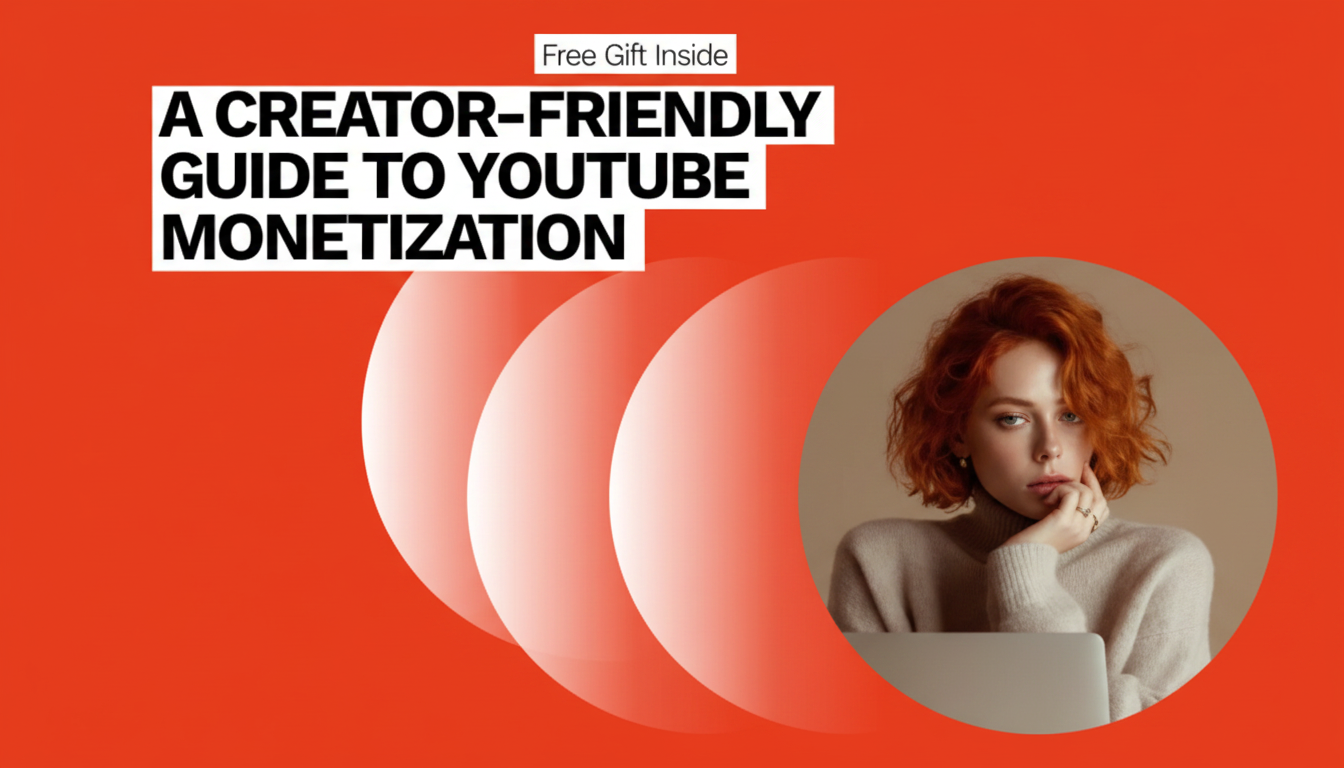
Monetization at a glance: what changes when a channel becomes eligible
Once a channel becomes eligible for YouTube monetization, the biggest shift is access: you can turn on monetization modules, see fuller revenue reporting, and unlock additional creator tools that may vary by region and channel status. Eligibility isn’t a “views switch”—it’s YouTube confirming your channel meets both performance thresholds and policy expectations. For more guidance, see youtube channel business plan.
A common misconception is that a viral spike automatically leads to approval. In practice, channel history matters: repeated copyright issues, misleading metadata, or patterns that look like reused content can slow down review even when the numbers look good. Approval can take time because YouTube reviewers assess content patterns across the channel, not only a single video, and they look for consistency with advertiser-friendly guidance and monetization policies.
A simple way to think about the process is: meet the thresholds, pass policy checks, then activate the income streams that actually fit your format—long-form, Shorts, live streams, or a mix.
YouTube Partner Program eligibility: the core requirements and what they mean
YouTube Partner Program (YPP) requirements can vary by region and program updates, but the foundation stays consistent: you’ll need a minimum level of subscribers plus public watch time and/or eligible Shorts activity, and you’ll need clean policy standing. You can confirm the latest requirements and program overview directly through the YouTube Help Center: YouTube Partner Program overview.
Beyond thresholds, YouTube checks whether your account is ready to receive monetization features: two-step verification, no active Community Guidelines strikes that block eligibility, and (where required) a properly connected AdSense for YouTube account with accurate payee details. Content readiness also matters—consistent original uploads, clear niche positioning, and transparent branding around who owns the assets in your videos.
The most common blockers are surprisingly avoidable: reused compilations without meaningful commentary, duplicate uploads across channels, and heavy reliance on unlicensed music or clips. When in doubt, cross-check channel content against the YouTube Help Center: Monetization policies.
Eligibility checklist and common approval blockers
| Checkpoint | What YouTube looks for | Frequent reasons for delays/denials |
|---|---|---|
| Thresholds met | Subscriber and watch/Shorts activity minimums (program-dependent) | Relying on private/unlisted watch time or inflated traffic |
| Policy standing | No disqualifying strikes; compliance with monetization policies | Repeated policy issues, misleading metadata, harmful content patterns |
| Originality/value-add | Distinct creator voice and meaningful transformation/commentary | Reused clips, AI voice-over on stock footage with minimal narrative |
| Rights & licensing | Clear permission for music, footage, images, and performances | Copyright claims, unlicensed background music, borrowed TV/movie clips |
| AdSense readiness | Accurate account info and ability to receive payouts (where applicable) | Mismatched payee details, incomplete verification, regional limitations |
Getting approved faster: a practical channel “cleanup” before applying
A pre-application cleanup often shortens the path to approval because it reduces ambiguity for reviewers. Start by auditing the last 20–30 uploads and looking for patterns: repeated formats that rely on borrowed clips, templates with minimal narrative, or audio/visual assets that don’t clearly belong to you.
Next, strengthen channel identity. A complete About section, consistent titles/thumbnails, and a clear value proposition make it easier to understand what the channel is—and just as importantly, what it isn’t. Then publish a small set of “pillar” videos: highly original content that demonstrates expertise, storytelling, or a unique perspective. These are the videos that prove your channel has a real creator voice.
Finally, reduce risk content. Remove, unlist, or rework uploads with heavy copyrighted material or borderline policy topics. Organize playlists and homepage sections to spotlight original series and your best evergreen videos so reviewers (and viewers) land on your strongest work first.
Income streams explained: ads, fan funding, affiliate, products, and licensing
Ad revenue is usually the first stream creators think about, but it’s affected by niche, geography, seasonality, viewer intent, and ad suitability—not just raw views. A smaller channel with high purchase intent can sometimes outperform a larger channel with low advertiser demand.
A simple monetization plan by channel type
Tutorial / education
Entertainment / short-form
Reviews and comparisons
Gaming / streaming
Creative portfolio (music / art / film)
Payments and analytics basics: what to track without overcomplicating it
A simple eBook for creators who want a clear, step-by-step path
If a checklist-style approach is helpful, A Creator-Friendly Guide to YouTube Monetization is designed as a straightforward reference for requirements, approval readiness, and choosing income streams that match your channel type.
For creators building a more comfortable recording workflow, a few practical add-ons can support consistency: a dependable on-camera look (like the Jil Sander Short Sleeve V-Neck Shirt) and a comfortable space for planning, editing, or live-streaming (like the 70″ Suede Leather Sofa with Tufted Design).
FAQ
How many subscribers and watch hours are needed for YouTube monetization?
Thresholds depend on the YouTube Partner Program options available in your region and can change with program updates. In addition to public watch time (and/or Shorts-based criteria), you must meet policy requirements and have an account that’s ready for payouts and verification.
Why do channels get rejected for monetization even after meeting the thresholds?
Common reasons include reused content without meaningful transformation, copyright or licensing issues, repeated policy concerns, misleading metadata, and an inconsistent channel identity. A focused pre-application audit of recent uploads and channel branding usually helps resolve the red flags.
What income streams can a creator use beyond ads?
Beyond ads, creators often use memberships and Super features, affiliate marketing, sponsorships/brand deals, shopping and merch, digital products, and content licensing. The best fit depends on whether your audience is primarily watching for entertainment, education, community, or purchase guidance.
Recommended for you

At-Home IPL Hair Removal: Safe Routine & Results
Jul 25, 2026













Leave a comment