-
Shop
- Adidas
- Advanced Technologies
- AI Skills Mastery 2026 Collection
- Astrology & Tarot Products
- Beauty
- Beauty Guides Collection
- Best-Sellers
- Car Accessories
- Confidence
- Dating & Social Skills
- Digital Resources
- AI & Technology
- AI Skills
- Budgeting & Saving
- Car Buying & Ownership
- Cozy Feast Collection
- Electronics & Technology
- Emotional Intelligence
- Entrepreneurship & Business Growth
- Financial Education
- Financial Independence
- Financial Mindset & Psychology
- Goal Setting
- Hobbies
- Home Styling & Organization
- Kitchen & Recipes
- Leadership
- Mindfulness
- Mindset
- Motivation
- Online Business
- Parenting & Child Development
- Pet Lifestyle & Wellness
- Positive Thinking
- Productivity
- Self Confidence
- Sleep Improvement
- Smart Life with AI
- Stress Management & Relaxation
- Travel Planning
- Yoga & Fitness
- Yoga & Mind-Body Practices
- Education & Learning
- Family & Parenting
- Fashion
- Alexander McQueen
- Bags
- Bags & Wallets
- Balenciaga
- Belts
- Blazers
- Bottega Veneta
- Brunello Cucinelli
- Burberry
- Chanel
- Chloé
- Dior
- Dolce & Gabbana
- Dresses
- Etro
- Fendi
- Gucci
- Hats & Hair Accessories
- Hoodies & Sweatshirts
- Jacquemus
- Jil Sander
- Keychains
- Kiton
- Luggage
- Miu Miu
- Off-White
- Outerwear
- Prada
- Rick Owens
- Saint Laurent
- Shoes
- Socks & Tights
- Sweaters & Cardigans
- The Row
- Tom Ford
- Tops & Shirts
- Valentino
- Valentino Garavani
- Versace
- Vivienne Westwood
- Watches
- Fashion Accessories
- Furniture
- Gadgets
- Health & Beauty
- Health & Wellness
- Home & Garden
- Home Supplies
- Jewelry
- Kids & Babies
- Kitchen
- Kitchen Best-Sellers
- Nike
- Patio, Lawn & Garden
- Personal Growth
- Personal Style & Fashion
- Pet Care
- Pet Supplies
- Pets
- Smart Home Living Guides
- Sport & Outdoors
- Stress Relief & Relaxation
- Super Deals
- TikTok Growth & Monetization Mastery
- Travel
- Travel & Adventure
- Wealth
- Wellness
- Popular
- Best deals
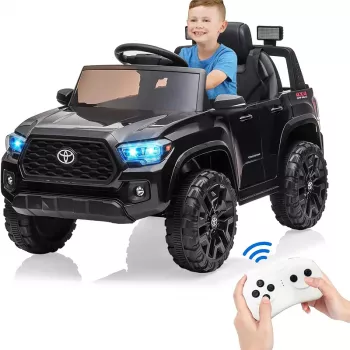
12V Kids Ride-On Truck: Remote, LEDs, Suspension & 3 Speeds
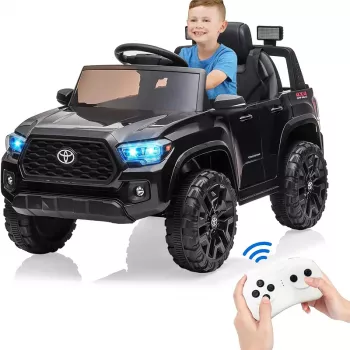
12V Kids Ride-On Truck with Remote Control, LED Lights, Suspension & 3 Speeds
A 12V ride-on truck can turn everyday outdoor time into confident driving practice, with parents able to guide safely from a remote. The combination of parent-assist control, LED lighting, suspension, and multiple speed settings helps kids learn real-world habits—starting, stopping, steering, and staying within boundaries—without the “all-or-nothing” feel of simpler ride-ons.
If you’re comparing options for a driveway, patio, or backyard path, the details matter. Below is what these features mean in day-to-day use, what to check before buying, and how to keep the truck running smoothly over time.
What Makes This Ride-On Truck Different
Not all ride-ons are built for the same kind of play. A 12V platform is often a step up from entry-level 6V toys, especially when you want more capable movement on typical outdoor surfaces and a smoother learning curve for beginners.
- 12V power supports longer play sessions and more confident movement on moderate outdoor surfaces than many basic models.
- Parent remote control gives adults a practical way to steer, slow, and stop—especially important for brand-new drivers.
- LED lights add visibility in dimmer conditions and make the truck feel more realistic for imaginative play.
- Suspension helps absorb small bumps on sidewalks, patios, packed dirt, and short grass.
- Three speeds allow a safer “training mode” and an easy step-up as skills improve—without switching vehicles.
Remote Control: Parent-Assist That Builds Confidence
The remote isn’t just about taking over—it’s about coaching safely. Early on, kids often misjudge turning radius or stopping distance, and they can get distracted by other kids, pets, or driveway edges.
- Use the remote as training wheels: start with parent control when your child is learning throttle, steering, and braking, then shift gradually toward manual driving.
- Prioritize a reliable stop function: quick intervention matters if the truck drifts toward a garage wall, curb, or landscaping.
- Helpful in complex spaces: sloped driveways, shared sidewalks, and group play are situations where parent-assist can prevent sudden surprises.
- Set expectations: agree on a simple signal like “parent assist” so it doesn’t become a tug-of-war over control.
For broader toy safety guidance, the U.S. Consumer Product Safety Commission offers practical resources on safe play and supervision: CPSC Toy Safety.
LED Lights: Fun Feature With Practical Benefits
LED lights are a small feature that can make a big difference in both fun and visibility. They help you keep track of where the truck is when shadows get long, and they’re a favorite for pretend “real driving” scenarios.
- Better visibility: useful during late afternoon play, in shaded yards, or when the truck passes behind patio furniture.
- More imaginative play: kids love themes like “night patrol,” “camping run,” or “delivery truck” routes.
- Smarter battery habits: turning lights off when parked can help stretch playtime between charges.
- Supervision still matters: lights help you see the truck—they don’t create a safe environment on their own.
Suspension: Smoother Rides on Real-World Surfaces
Suspension is one of those features you appreciate most after a few rides. On typical outdoor surfaces, tiny jolts add up—especially for younger drivers still learning to keep both hands steady on the wheel.
Three Speeds: Matching Pace to Age and Skill
Quick Feature Reference
| Feature | Why It Matters | Best For |
|---|---|---|
| 12V power | More capable driving and longer play compared with lower-voltage options | Outdoor paths, patios, packed dirt |
| Parent remote control | Adult steering/stop support for safer learning | New drivers, shared spaces |
| LED lights | Visibility + imaginative play | Late afternoon play, themed games |
| Suspension | Smoother ride over small bumps | Sidewalk seams, uneven patios |
| 3 speed settings | Skill-based progression and better control | Mixed ages and confidence levels |
Safety and Setup Checklist
- Choose a controlled play zone: flat ground with clear boundaries, away from traffic, steep slopes, and crowded walkways.
- Keep play away from water: avoid pools, ponds, and drainage areas; set firm “no-drive” zones. See: AAP water safety guidance.
- Gear and supervision: closed-toe shoes are a must; a helmet may be appropriate depending on terrain and speed; active adult supervision is recommended.
- Pre-ride check: fully charged battery, secure seating, responsive steering, and a remote that pairs properly and stops reliably.
- Teach simple rules: stop on command, slow turns, no bumping people/pets, and “park then power off.”
- Storage and weather: keep it dry and out of extreme heat to protect electronics and battery health.
Battery Care and Everyday Maintenance
Featured Items (In Stock)
- 12V Kids Ride On Truck with Remote Control, LED Lights, Suspension & 3 Speeds
- 70″ Suede Leather Sofa with Tufted Design
Is This Truck the Right Pick?
FAQ
At what age can a child use a ride-on truck with a parent remote?
Many kids can start when they’re developmentally ready to sit securely, follow simple directions, and practice stopping on cue. Begin on the lowest speed, use the remote during early sessions, and keep active adult supervision—especially in driveways or shared outdoor spaces.
How long does a 12V ride-on truck battery usually last on a charge?
Playtime commonly ranges from about 45 to 90 minutes, depending on child weight, surface type, speed setting, and whether lights are used continuously. Consistent charging habits and avoiding repeated full drain cycles can help the battery maintain better performance over time.
Can a ride-on truck with suspension handle grass or gravel?
Suspension helps smooth out small bumps, but performance still depends on how thick or loose the surface is. Packed, even ground and short grass are typically manageable, while deep gravel, mud, and steep slopes can reduce traction and control.













Leave a comment