-
Shop
- Adidas
- Advanced Technologies
- AI Skills Mastery 2026 Collection
- Astrology & Tarot Products
- Beauty
- Beauty Guides Collection
- Best-Sellers
- Car Accessories
- Confidence
- Dating & Social Skills
- Digital Resources
- AI & Technology
- AI Skills
- Budgeting & Saving
- Car Buying & Ownership
- Cozy Feast Collection
- Electronics & Technology
- Emotional Intelligence
- Entrepreneurship & Business Growth
- Financial Education
- Financial Independence
- Financial Mindset & Psychology
- Goal Setting
- Hobbies
- Home Styling & Organization
- Kitchen & Recipes
- Leadership
- Mindfulness
- Mindset
- Motivation
- Online Business
- Parenting & Child Development
- Pet Lifestyle & Wellness
- Positive Thinking
- Productivity
- Self Confidence
- Sleep Improvement
- Smart Life with AI
- Stress Management & Relaxation
- Travel Planning
- Yoga & Fitness
- Yoga & Mind-Body Practices
- Education & Learning
- Family & Parenting
- Fashion
- Alexander McQueen
- Bags
- Bags & Wallets
- Balenciaga
- Belts
- Blazers
- Bottega Veneta
- Brunello Cucinelli
- Burberry
- Chanel
- Chloé
- Dior
- Dolce & Gabbana
- Dresses
- Etro
- Fendi
- Gucci
- Hats & Hair Accessories
- Hoodies & Sweatshirts
- Jacquemus
- Jil Sander
- Keychains
- Kiton
- Luggage
- Miu Miu
- Off-White
- Outerwear
- Prada
- Rick Owens
- Saint Laurent
- Shoes
- Socks & Tights
- Sweaters & Cardigans
- The Row
- Tom Ford
- Tops & Shirts
- Valentino
- Valentino Garavani
- Versace
- Vivienne Westwood
- Watches
- Fashion Accessories
- Furniture
- Gadgets
- Health & Beauty
- Health & Wellness
- Home & Garden
- Home Supplies
- Jewelry
- Kids & Babies
- Kitchen
- Kitchen Best-Sellers
- Nike
- Patio, Lawn & Garden
- Personal Growth
- Personal Style & Fashion
- Pet Care
- Pet Supplies
- Pets
- Smart Home Living Guides
- Sport & Outdoors
- Stress Relief & Relaxation
- Super Deals
- TikTok Growth & Monetization Mastery
- Travel
- Travel & Adventure
- Wealth
- Wellness
- Popular
- Best deals
At-Home IPL Hair Removal: Safe Routine & Results
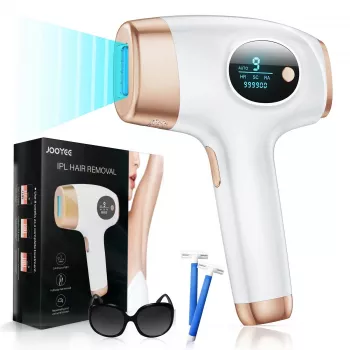
IPL Laser Hair Removal Device: At-Home Smooth Skin Routine, Safety, and Results
An at-home IPL hair removal routine can help reduce regrowth over time by targeting hair at the root with controlled pulses of light. When used consistently and safely, many people notice slower, patchier regrowth and smoother skin between shaves. Below is a practical guide to how IPL works, who it’s best for, how to use an at-home device safely, what results often look like week by week, and how to maintain results. For more guidance, see Low-Energy Intense Pulsed Light for Hair Removal at Home.
What IPL Hair Removal Is (and What It Isn’t)
IPL stands for Intense Pulsed Light. Unlike a single-wavelength medical laser, IPL uses broad-spectrum light that targets pigment (melanin) in hair. The goal is hair reduction over time—not instant, one-and-done permanent removal. For further reading, see Considering At-Home Laser Hair Removal? A Trans ….
Many devices are casually described as “IPL laser,” but IPL is a different technology than in-office lasers used by dermatology clinics. In general, IPL works best when hair is naturally darker and skin is lighter, since higher contrast helps the light focus on hair pigment more efficiently.
How Light-Based Hair Reduction Works
Hair grows in cycles, and IPL is most effective when hair is in the active growth phase. That’s why repeat sessions matter: a single treatment won’t catch every hair at the right time.
- Light energy is absorbed by hair pigment and converted to heat, which can disrupt the follicle’s ability to regrow.
- Shaving before treatment helps direct light below the skin’s surface instead of singeing hair above it.
- Consistency and correct settings typically matter more than using the highest intensity.
At-Home IPL vs Clinic Laser vs Waxing
Different methods can fit different lifestyles, pain tolerances, and budgets. At-home IPL is usually about convenience and gradual change, while clinical laser treatments may deliver faster changes per session under professional supervision. Waxing and epilating remove hair from the root but don’t usually reduce follicle activity long-term.
| Method | Typical feel | Upkeep | What it changes over time |
|---|---|---|---|
| At-home IPL | Warm snaps; intensity-dependent | Series of weekly/biweekly sessions, then maintenance | Can reduce regrowth density and speed with consistent use |
| Clinic laser | Stronger heat sensation; often cooling involved | Fewer sessions but scheduled visits | Often faster visible reduction per session |
| Waxing/epilating | Sharper pull; can irritate | Every few weeks | Removes hair but usually does not reduce regrowth long-term |
| Shaving | Minimal | Every few days | Cuts hair at surface; no change to regrowth rate |
Who It’s For: Skin Tone, Hair Color, and Body Areas
IPL typically works best on brown/black hair with lighter skin. Very blond, red, gray, or white hair may respond poorly due to low pigment. Some skin tones require extra caution—or may not be suitable—depending on the device’s safety guidance, so it’s essential to follow the manufacturer’s recommendations.
Common treatment areas include legs, underarms, bikini line, and arms. Facial use depends on the device instructions, and the eye area should always be avoided. Do not treat tattoos, very dark moles, or broken/irritated skin unless the device guidance explicitly permits it.
How to Use an IPL Device Safely at Home
1) Patch test first
Start with a small patch at a lower setting. Wait to see how your skin responds before treating larger areas.
2) Prep the skin
- Shave 12–24 hours before (or immediately before if your device instructions say so).
- Cleanse and thoroughly dry skin.
- Skip lotions, oils, and deodorants on the treatment area.
3) Treat methodically
Keep the flash window flush to skin and move in an organized pattern to avoid missed strips. Avoid repeatedly flashing the same spot, and use eye protection if your device recommends it.
4) Aftercare and sun care
Use a gentle, fragrance-free moisturizer. If you’re sensitive, avoid hot showers, saunas, scrubs, and active exfoliants for 24–48 hours. Avoid recent tanning, and use broad-spectrum sunscreen on exposed treated areas to reduce irritation and pigment changes.
What Results Typically Look Like (A Simple Timeline)
Common Side Effects and How to Minimize Them
Device Features That Make Sessions Easier
Product Options Available Now
Main pick for at-home sessions
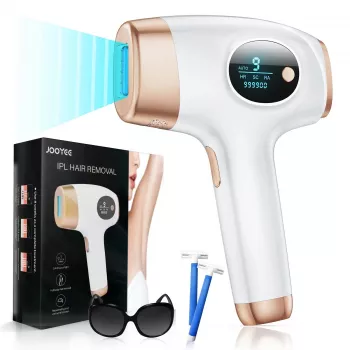
IPL Laser Hair Removal Device is designed for at-home use to help reduce regrowth over time with consistent sessions. Pair it with a simple routine: shave, treat on schedule, moisturize, and protect treated skin from sun exposure. Price: $74.51 (in stock).
Other in-stock essentials
- Commercial Snow Flake Ice Make ($783.80): a home/hosting upgrade for chilled drinks and entertaining.
- 70″ Suede Leather Sofa with Tufted Design ($566.47): a statement seating option for a cozy living space refresh.
- Jil Sander Short Sleeve V-Neck Shirt ($692.02): a clean, elevated wardrobe staple.
Maintenance: Keeping Skin Smooth Between Sessions
FAQ
Does IPL hair removal hurt?
Most people describe it as a quick warm snap or tingling sensation that varies by intensity setting and body area. Shaving first, patch testing, and starting at a lower level can make sessions much more comfortable.
How often should an IPL device be used for best results?
Many routines start with weekly or biweekly sessions for an initial series, then move to maintenance touch-ups. Follow your device’s schedule closely, since hair growth cycles—and timing—are a big part of why consistency matters.
Can IPL be used on the face or bikini area?
It depends on the device instructions and built-in safety guidance for sensitive zones. Patch test first, avoid the eye area entirely, and use extra caution on more reactive skin; when unsure, ask a medical professional before treating.













Leave a comment