-
Shop
- Adidas
- Advanced Technologies
- AI Skills Mastery 2026 Collection
- Astrology & Tarot Products
- Beauty
- Beauty Guides Collection
- Best-Sellers
- Car Accessories
- Confidence
- Dating & Social Skills
- Digital Resources
- AI & Technology
- AI Skills
- Budgeting & Saving
- Car Buying & Ownership
- Cozy Feast Collection
- Electronics & Technology
- Emotional Intelligence
- Entrepreneurship & Business Growth
- Financial Education
- Financial Independence
- Financial Mindset & Psychology
- Goal Setting
- Hobbies
- Home Styling & Organization
- Kitchen & Recipes
- Leadership
- Mindfulness
- Mindset
- Motivation
- Online Business
- Parenting & Child Development
- Pet Lifestyle & Wellness
- Positive Thinking
- Productivity
- Self Confidence
- Sleep Improvement
- Smart Life with AI
- Stress Management & Relaxation
- Travel Planning
- Yoga & Fitness
- Yoga & Mind-Body Practices
- Education & Learning
- Family & Parenting
- Fashion
- Alexander McQueen
- Bags
- Bags & Wallets
- Balenciaga
- Belts
- Blazers
- Bottega Veneta
- Brunello Cucinelli
- Burberry
- Chanel
- Chloé
- Dior
- Dolce & Gabbana
- Dresses
- Etro
- Fendi
- Gucci
- Hats & Hair Accessories
- Hoodies & Sweatshirts
- Jacquemus
- Jil Sander
- Keychains
- Kiton
- Luggage
- Miu Miu
- Off-White
- Outerwear
- Prada
- Rick Owens
- Saint Laurent
- Shoes
- Socks & Tights
- Sweaters & Cardigans
- The Row
- Tom Ford
- Tops & Shirts
- Valentino
- Valentino Garavani
- Versace
- Vivienne Westwood
- Watches
- Fashion Accessories
- Furniture
- Gadgets
- Health & Beauty
- Health & Wellness
- Home & Garden
- Home Supplies
- Jewelry
- Kids & Babies
- Kitchen
- Kitchen Best-Sellers
- Nike
- Patio, Lawn & Garden
- Personal Growth
- Personal Style & Fashion
- Pet Care
- Pet Supplies
- Pets
- Smart Home Living Guides
- Sport & Outdoors
- Stress Relief & Relaxation
- Super Deals
- TikTok Growth & Monetization Mastery
- Travel
- Travel & Adventure
- Wealth
- Wellness
- Popular
- Best deals
Peaceful Paws: Natural Calm Tips for Anxious Dogs
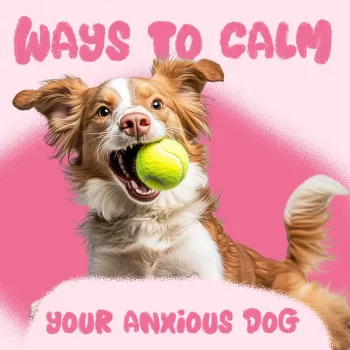
Peaceful Paws: Natural Ways to Calm an Anxious Dog
Dog anxiety can show up as pacing, panting, trembling, barking, hiding, destructive chewing, or accidents in the home. While every dog’s triggers are different—noise, separation, new environments, or past experiences—many dogs improve with a calm routine, gentle training, and supportive remedies. The goal is twofold: lower stress in the moment and build long-term confidence through predictable cues, safe spaces, and rewarding calm behavior.
Common Signs and Triggers of Anxiety
Anxiety isn’t always loud. Some dogs “act out,” while others shut down and look unusually quiet or withdrawn. Noticing early signs helps you intervene before stress escalates.
- Behavior changes: restlessness, inability to settle, clinginess, avoidance, freezing, or shutdown behaviors
- Noise-related triggers: thunderstorms, fireworks, construction sounds, household appliances
- Separation-related triggers: pre-departure cues, being alone, changes in schedule
- Environmental triggers: visitors, travel, vet visits, grooming, unfamiliar dogs or people
- Medical overlap: pain, endocrine issues, cognitive decline, and GI discomfort can mimic anxiety—rule out health causes first
If your dog’s anxiety seems sudden, unusually intense, or paired with changes in appetite, mobility, or sleep, a veterinary check is an important first step. The Merck Veterinary Manual offers a helpful overview of behavior concerns that can overlap with medical issues.
Start With a Calmer Daily Rhythm
Many dogs relax faster when life is predictable. A steady rhythm reduces uncertainty, and uncertainty is a big driver of anxious behavior.
- Create predictable anchors: meals, walks, play, and rest at consistent times
- Prioritize decompression: slow sniff-walks and low-pressure outdoor time
- Balance stimulation: too little activity increases restlessness; too much high-arousal play can spill into anxiety
- Protect sleep: offer a quiet rest zone away from foot traffic with dim lighting at night
- Track patterns: note what happened before anxious episodes to identify triggers
Low-Stress Routine Building Blocks
| Routine element | What it does | Simple starting point |
|---|---|---|
| Sniff walk | Lowers arousal and provides enrichment | 10–20 minutes of leash wandering with frequent stops |
| Settle time | Teaches calm as a skill | 2–5 minutes on a mat with quiet rewards |
| Food puzzles | Channels energy into problem-solving | One meal per day in a puzzle or snuffle mat |
| Predictable departures | Reduces separation panic | Short absences paired with calm returns |
| Quiet safe zone | Gives control and recovery space | Covered crate or corner bed with white noise |
Tracking helps you stop guessing. If you’d like an easy way to capture what you hear during a reaction (like distant fireworks or a particular appliance tone), a small recorder can help you replay the sound at low volume later for training setups: Portable USB Voice Recorder & Digital Audio Sound Recorder with 8GB/32GB Storage.
Natural Calm Aids That Pair Well With Training
Natural supports work best when they make it easier for your dog to stay under threshold—not when they replace training or force “tolerance.” Think of these as comfort tools you can layer with behavior work.
- Environmental supports: white noise, blackout curtains, calming music, and closed windows during loud events
- Pressure and comfort options: properly fitted calming wraps can help some dogs during predictable stressors
- Enrichment and licking/chewing: long-lasting chews, lick mats, and stuffed toys can reduce stress through soothing behaviors
- Pheromone support: dog-appeasing pheromone products may help some dogs feel safer during transitions
- Supplements and herbs: only use dog-specific products with clear dosing; consult a veterinarian, especially if your dog is on other medications or has health conditions
The American Veterinary Medical Association (AVMA) emphasizes combining management strategies with safe behavior support—especially for fear and anxiety triggered by real-world events.
Training Tips to Build Confidence (Without Forcing Exposure)
Confidence grows when dogs feel safe enough to learn. The core idea is to work below the fear threshold, reinforce calm, and let your dog opt for distance when needed.
Separation Anxiety: Gentle Steps That Often Help
For a deeper breakdown of symptoms and training priorities, the ASPCA’s separation anxiety guide is a solid starting point.
When to Get Professional Help
A Practical Guide for Home: Peaceful Paws
If you want a structured, easy-to-follow plan you can use day to day, Peaceful Paws: Natural Ways to Calm Your Anxious Dog – eBook Guide for Dog Anxiety Relief, Remedies, and Training Tips walks through common scenarios (noise sensitivity, separation stress, and general nervousness) with actionable exercises that blend calming supports and training structure.
For household follow-through, simple checklists can keep routines consistent—especially when multiple family members share dog care duties. If you prefer a printable approach to staying organized at home, this can complement your routine planning: Kids’ Room Declutter Checklist | Printable Digital Download.
FAQ
How can a dog be calmed naturally during thunderstorms or fireworks?
Set up a quiet interior room with curtains closed and white noise, and let your dog choose a safe hiding spot. Pair distant rumbles with high-value treats at a level your dog can handle; for severe panic, ask a vet about additional support.
What is the difference between fear, stress, and separation anxiety in dogs?
Fear is a response to a specific trigger (like a vacuum or a stranger), while stress is the overall load that builds from triggers and lifestyle factors. Separation anxiety is distress tied to being alone or anticipating isolation and often includes persistent vocalizing or escape behavior.
When should a vet be consulted about anxiety remedies or supplements?
Consult a vet whenever symptoms are intense, new, or worsening, and before starting supplements—especially for puppies, seniors, pregnant dogs, or dogs on medications. It’s also important to rule out pain or other medical issues that can look like anxiety.













Leave a comment