-
Shop
- Adidas
- Advanced Technologies
- AI Skills Mastery 2026 Collection
- Astrology & Tarot Products
- Beauty
- Beauty Guides Collection
- Best-Sellers
- Car Accessories
- Confidence
- Dating & Social Skills
- Digital Resources
- AI & Technology
- AI Skills
- Budgeting & Saving
- Car Buying & Ownership
- Cozy Feast Collection
- Electronics & Technology
- Emotional Intelligence
- Entrepreneurship & Business Growth
- Financial Education
- Financial Independence
- Financial Mindset & Psychology
- Goal Setting
- Hobbies
- Home Styling & Organization
- Kitchen & Recipes
- Leadership
- Mindfulness
- Mindset
- Motivation
- Online Business
- Parenting & Child Development
- Pet Lifestyle & Wellness
- Positive Thinking
- Productivity
- Self Confidence
- Sleep Improvement
- Smart Life with AI
- Stress Management & Relaxation
- Travel Planning
- Yoga & Fitness
- Yoga & Mind-Body Practices
- Education & Learning
- Family & Parenting
- Fashion
- Alexander McQueen
- Bags
- Bags & Wallets
- Balenciaga
- Belts
- Blazers
- Bottega Veneta
- Brunello Cucinelli
- Burberry
- Chanel
- Chloé
- Dior
- Dolce & Gabbana
- Dresses
- Etro
- Fendi
- Gucci
- Hats & Hair Accessories
- Hoodies & Sweatshirts
- Jacquemus
- Jil Sander
- Keychains
- Kiton
- Luggage
- Miu Miu
- Off-White
- Outerwear
- Prada
- Rick Owens
- Saint Laurent
- Shoes
- Socks & Tights
- Sweaters & Cardigans
- The Row
- Tom Ford
- Tops & Shirts
- Valentino
- Valentino Garavani
- Versace
- Vivienne Westwood
- Watches
- Fashion Accessories
- Furniture
- Gadgets
- Health & Beauty
- Health & Wellness
- Home & Garden
- Home Supplies
- Jewelry
- Kids & Babies
- Kitchen
- Kitchen Best-Sellers
- Nike
- Patio, Lawn & Garden
- Personal Growth
- Personal Style & Fashion
- Pet Care
- Pet Supplies
- Pets
- Smart Home Living Guides
- Sport & Outdoors
- Stress Relief & Relaxation
- Super Deals
- TikTok Growth & Monetization Mastery
- Travel
- Travel & Adventure
- Wealth
- Wellness
- Popular
- Best deals
Modern Countryside Solid Wood Sofa: Style, Fit & Care
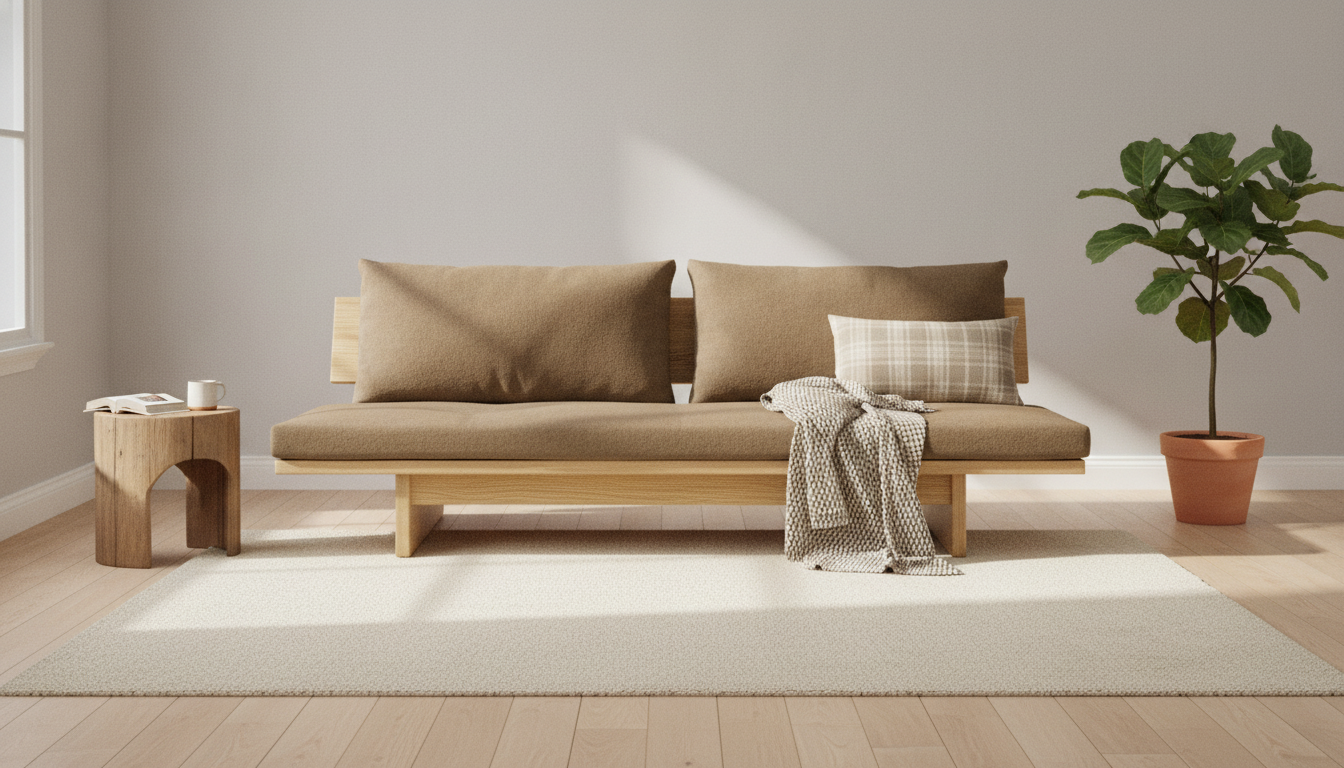
A modern countryside solid wood sofa brings together tidy, contemporary lines and the easy warmth of natural materials. The result feels calm and grounded—an inviting centerpiece that can hold up to real-life lounging, reading, and everyday entertaining. Below are the details that matter most when choosing one, plus styling and care tips to help solid wood and upholstery stay beautiful over time.
What “Modern Countryside” Looks Like in a Living Room
Modern countryside style is all about balance: streamlined shapes paired with authentic textures that make a room feel lived-in, not overly designed. A solid wood sofa fits right in because it combines visible grain and craftsmanship with a clean silhouette.
- Balanced contrast: crisp profiles softened by wood grain and tactile fabrics.
- Comfort-forward proportions: relaxed seating that still looks neat in open-plan spaces.
- Neutral-friendly palette: plays well with warm whites, linen tones, sage, terracotta, and muted blues.
- Natural layering: wood + woven rugs + ceramics create a calm, grounded feel.
- Cross-style versatility: works with Scandinavian, Japandi, contemporary rustic, transitional, and farmhouse-adjacent rooms.
Why Solid Wood Matters for a Sofa Frame
The frame is the sofa’s foundation. Solid wood is prized for stability and longevity, especially for everyday seating where repeated movement can reveal weaknesses in less durable materials. Wood is also a natural material that responds to its environment, so construction quality and joinery make a noticeable difference.
- Structural stability: solid wood frames typically resist flexing and racking better than weaker composites.
- Long-term value: a good frame can outlast cushions and upholstery, making refreshes more worthwhile.
- Joinery and hardware: look for consistent alignment at joints and reinforced corners for strength.
- Moisture and temperature awareness: wood expands and contracts; stable construction helps minimize squeaks.
- Aesthetic authenticity: visible wood elements add warmth and a handcrafted feel.
Solid Wood vs. Common Alternatives (Quick Comparison)
| Frame Material | Strength & Longevity | Typical Feel Over Time | Best For |
|---|---|---|---|
| Solid wood | High | Stays rigid; ages gracefully with care | Everyday seating, long-term ownership |
| Plywood (quality grades vary) | Medium to High | Can remain stable if well-built; edges may show wear | Mid-range builds, lighter designs |
| MDF/particleboard | Low to Medium | More prone to swelling, loosening, and damage | Low-use spaces, short-term budgets |
| Metal frame | Medium to High | Very rigid; can feel firmer and transmit vibration | Modern looks, tight profiles |
For deeper background on how wood behaves as a material (including moisture movement), see the USDA Forest Service Wood Handbook.
Comfort Factors: Seat, Back, and Everyday Use
Modern countryside is relaxed—but comfort still needs to match how the room is used. Before picking a fabric or finish, consider how people actually sit: upright conversations, long movie nights, or weekend naps.
- Seat depth: deeper seats encourage lounging; moderate depth supports a more upright posture.
- Seat firmness: firmer cushions keep their shape and make standing easier; softer cushions feel plush but may compress faster.
- Back support: higher backs and supportive cushions help for reading; lower profiles look sleek but may benefit from extra pillows.
- Arm design: slim arms save space; wider arms can double as a perch for a tray (use protectors to avoid dents).
- Household fit: pets, kids, and strong sunlight can influence the best upholstery texture and color.
If you’re checking a sofa’s care tags, upholstery cleaning codes can be helpful; the International Fabricare Institute provides guidance on common codes (W, S, WS, X).
Sizing and Placement: Getting the Proportions Right
Common Clearances That Keep a Room Comfortable
| Placement Detail | Comfortable Range | Why It Helps |
|---|---|---|
| Sofa to coffee table | 14–18 in | Easy reach without cramped knees |
| Main walkways | 30–36 in | Smooth circulation through the room |
| Sofa to TV viewing distance | Varies by screen size | Reduces eye strain and improves comfort |
| Sofa from heat sources | A few feet when possible | Helps protect wood and upholstery |
Styling Ideas: Modern Lines, Countryside Warmth
Care and Maintenance for Solid Wood and Upholstery
Solid wood ages well when it’s kept clean and stable. Upholstery benefits from quick responses to spills and a little routine rotation. For humidity guidance that supports both comfort and materials, the U.S. Environmental Protection Agency offers helpful indoor air quality basics.
Product Spotlight: Modern Countryside Solid Wood Sofa
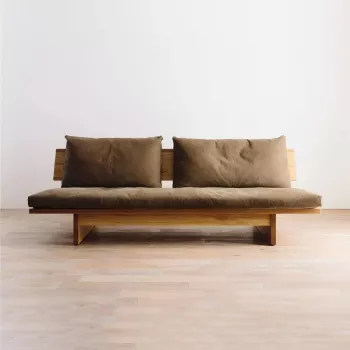
If you want the look of warm minimalism with a natural foundation, the Modern Countryside Solid Wood Sofa is designed to feel inviting while keeping a clean profile. It works especially well as the main anchor in a living room or open-plan layout where you want the wood grain to add warmth without visual heaviness.
Alternative Look: Suede Leather Sofa with Tufted Design
For a more tailored, vintage-leaning vibe—especially in moodier palettes or lounge-style spaces—the 70″ Suede Leather Sofa with Tufted Design offers richer texture and classic tufting while still fitting into modern rooms.
FAQ
How is a solid wood sofa frame different from engineered wood?
Solid wood frames are typically stronger and more resistant to loosening over time, especially when paired with sturdy joinery and reinforcement. Engineered wood can perform well in quality builds, but grades and construction vary widely, so long-term durability depends heavily on how it’s made.
How do painting, sunlight, and humidity affect solid wood furniture over time?
Sunlight can fade finishes and fabrics, while very dry or very humid conditions can cause minor wood movement that may lead to small gaps or occasional squeaks. A protective finish, reduced UV exposure, and moderate indoor humidity help solid wood stay stable and attractive.
What size sofa works best for a smaller living room?
Start by measuring wall length, then keep about 30–36 inches for main walkways and 14–18 inches between the sofa and coffee table. Slim arms, raised legs, and lighter surrounding furniture can make a compact room feel more open without sacrificing comfort.
Recommended for you

Build a 5-Year Plan That Sticks (Without Burnout)
Jun 26, 2026










Leave a comment