-
Shop
- Adidas
- Advanced Technologies
- AI Skills Mastery 2026 Collection
- Astrology & Tarot Products
- Beauty
- Beauty Guides Collection
- Best-Sellers
- Car Accessories
- Confidence
- Dating & Social Skills
- Digital Resources
- AI & Technology
- AI Skills
- Budgeting & Saving
- Car Buying & Ownership
- Cozy Feast Collection
- Electronics & Technology
- Emotional Intelligence
- Entrepreneurship & Business Growth
- Financial Education
- Financial Independence
- Financial Mindset & Psychology
- Goal Setting
- Hobbies
- Home Styling & Organization
- Kitchen & Recipes
- Leadership
- Mindfulness
- Mindset
- Motivation
- Online Business
- Parenting & Child Development
- Pet Lifestyle & Wellness
- Positive Thinking
- Productivity
- Self Confidence
- Sleep Improvement
- Smart Life with AI
- Stress Management & Relaxation
- Travel Planning
- Yoga & Fitness
- Yoga & Mind-Body Practices
- Education & Learning
- Family & Parenting
- Fashion
- Alexander McQueen
- Bags
- Bags & Wallets
- Balenciaga
- Belts
- Blazers
- Bottega Veneta
- Brunello Cucinelli
- Burberry
- Chanel
- Chloé
- Dior
- Dolce & Gabbana
- Dresses
- Etro
- Fendi
- Gucci
- Hats & Hair Accessories
- Hoodies & Sweatshirts
- Jacquemus
- Jil Sander
- Keychains
- Kiton
- Luggage
- Miu Miu
- Off-White
- Outerwear
- Prada
- Rick Owens
- Saint Laurent
- Shoes
- Socks & Tights
- Sweaters & Cardigans
- The Row
- Tom Ford
- Tops & Shirts
- Valentino
- Valentino Garavani
- Versace
- Vivienne Westwood
- Watches
- Fashion Accessories
- Furniture
- Gadgets
- Health & Beauty
- Health & Wellness
- Home & Garden
- Home Supplies
- Jewelry
- Kids & Babies
- Kitchen
- Kitchen Best-Sellers
- Nike
- Patio, Lawn & Garden
- Personal Growth
- Personal Style & Fashion
- Pet Care
- Pet Supplies
- Pets
- Smart Home Living Guides
- Sport & Outdoors
- Stress Relief & Relaxation
- Super Deals
- TikTok Growth & Monetization Mastery
- Travel
- Travel & Adventure
- Wealth
- Wellness
- Popular
- Best deals
Clean Without the Stress: Simple Resets for a Calm Home

Clean Without the Stress: A Digital Guide to a Calmer, Happier Home
Cleaning can feel heavy when time, energy, and expectations collide. A calmer home comes from small, repeatable systems—not marathon scrub sessions. The goal isn’t a showroom; it’s a space that functions, feels peaceful, and stays manageable even during busy weeks. Below is a gentle approach built around quick resets, simple maintenance habits, and occasional deep-clean tasks—plus easy checklists that remove the “what do I do next?” spiral. For more guidance, see 5 Secrets to a Clean Home You Can Maintain Without Stress.
Why cleaning feels stressful (and how to lower the pressure)
A lot of cleaning stress isn’t caused by the mess itself—it’s caused by the story the mess triggers. The good news: you can change the rules. For further reading, see 5 Ways to Stress Less About Cleaning.
- All-or-nothing thinking turns a few dishes into a “whole-house” project. Try a smaller definition: “The sink is usable.”
- Decision fatigue makes starting harder than doing. A checklist (even a tiny one) removes the mental load of choosing.
- Visible clutter increases background stress and makes progress feel invisible. One basket for “wandering items” can instantly reduce visual noise.
- Perfectionism sets standards that block momentum. Define “weekday clean” as good enough, and save deep cleaning for planned moments.
- Pressure from health concerns can add urgency. For evidence-based guidance, the CDC explains when cleaning is enough versus when disinfecting is needed: CDC: Cleaning and Disinfecting Your Facility.
The calm-clean method: reset, maintain, then deep clean
Instead of treating cleaning like one giant job, separate it into three modes. This keeps effort proportional to the moment you’re in.
1) Reset (5–15 minutes)
A reset restores function fast. Think: clear counters, dishes to the sink/dishwasher, trash out, and a quick pass on the floor where crumbs collect. You’re not “cleaning the whole kitchen”—you’re making it usable again.
2) Maintain (small daily/weekly habits)
Maintenance prevents pileups. A quick bathroom wipe-down, a laundry rhythm, and a nightly “closing routine” (dishes + counters + 2-minute pickup) are often more powerful than any single deep clean.
3) Deep clean (occasional, clearly scoped)
Deep cleaning is for the tasks you don’t need weekly: baseboards, fridge shelves, vents, under-furniture zones. Keep the scope tight: one room, one list, one finish line. For straightforward cleaning fundamentals, the American Cleaning Institute lays out practical basics: American Cleaning Institute: Cleaning Basics.
Match the task to your energy
On low-energy days, choose “momentum tasks” like collecting trash, loading the dishwasher, or wiping one counter. On higher-energy days, tackle a deeper zone. Either way counts.
A simple weekly rhythm that doesn’t take over the week
The calmest routines are flexible. Pick just a few anchor tasks that make the biggest difference (often dishes, trash, laundry, and floors), then rotate one small focus area per day. Add a “catch-up day” so one missed session doesn’t unravel the week.
| Day | 10–20 minute focus | Quick reset (5 minutes) |
|---|---|---|
| Mon | Laundry start + tidy bedroom surfaces | Trash + dishes |
| Tue | Bathroom wipe-down (sink, toilet, mirror) | Counter clear + sweep hotspots |
| Wed | Kitchen zone (stovetop, sink, fridge check) | Load/unload dishwasher |
| Thu | Floors (high-traffic only) | Entryway reset |
| Fri | Paper/piles: sort 10 items, file 5, toss 5 | Living room reset |
| Sat | Optional deeper task (choose one) | Whole-home 5-minute pickup |
| Sun | Restock basics + plan next week’s focus | Laundry fold drop-off |
Time-box sessions (10, 20, or 30 minutes) to stop overcleaning spirals, and pair tasks with something that already happens—after coffee, before a shower, or right after dinner.
Room-by-room checklists that keep decisions easy
When you’re tired, the hardest part is deciding what matters. Use “essentials first” lists to avoid getting pulled into side quests.
Kitchen essentials
- Dishes (load/hand-wash what blocks the sink)
- Clear counters (only what needs to be put away)
- Quick sink rinse/wipe
- Trash/recycling out if full
- Stovetop spot-clean if needed—then stop
Bathroom essentials
- Toilet quick scrub/wipe
- Sink + faucet wipe
- Mirror spot-clean
- Fast floor pass (especially around the toilet)
- Towel refresh as needed
Bedroom and living areas
Make cleaning lighter: tools, products, and setup
When motivation is low: gentle starts that still count
Digital support for consistency: eBook + checklists that guide each step
If starting is the hardest part, a structured guide can remove the guesswork. The Clean Without the Stress digital cleaning guide and checklist is designed for quick resets, a weekly rhythm, and deep-clean planning—so you can follow steps instead of negotiating with your brain.
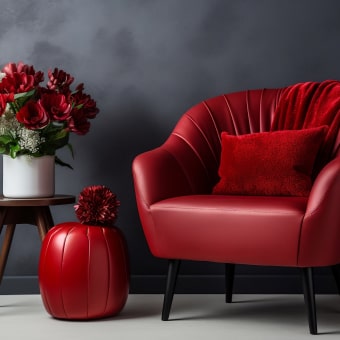
For a calmer living space overall, pairing routines with a comfortable “reset-friendly” room setup can help. A tidyable layout with fewer awkward corners makes quick pickups easier, and a focal piece like the 70″ Suede Leather Sofa with Tufted Design can motivate you to keep the living area in its simple, functional baseline.
A realistic start plan for the next 7 days
FAQ
How can cleaning feel less overwhelming when there’s not much time?
Time-box a 5–15 minute reset and choose 1–3 anchor tasks (often dishes, trash, and one floor hotspot). Separating “reset” from “deep clean” helps small sessions still create visible progress.
What’s the difference between tidying and cleaning, and why does it matter?
Tidying is putting items back where they belong; cleaning is removing dirt and grime (and sometimes disinfecting). Tidying first makes cleaning faster and less frustrating because surfaces and floors are accessible.
How often should deep cleaning happen in a low-stress routine?
Monthly or seasonal deep-clean tasks work well when you do one small area at a time. Daily and weekly maintenance keeps your baseline stable so deep cleaning stays occasional instead of urgent.














Leave a comment