-
Shop
- Adidas
- Advanced Technologies
- AI Skills Mastery 2026 Collection
- Astrology & Tarot Products
- Beauty
- Beauty Guides Collection
- Best-Sellers
- Car Accessories
- Confidence
- Dating & Social Skills
- Digital Resources
- AI & Technology
- AI Skills
- Budgeting & Saving
- Car Buying & Ownership
- Cozy Feast Collection
- Electronics & Technology
- Emotional Intelligence
- Entrepreneurship & Business Growth
- Financial Education
- Financial Independence
- Financial Mindset & Psychology
- Goal Setting
- Hobbies
- Home Styling & Organization
- Kitchen & Recipes
- Leadership
- Mindfulness
- Mindset
- Motivation
- Online Business
- Parenting & Child Development
- Pet Lifestyle & Wellness
- Positive Thinking
- Productivity
- Self Confidence
- Sleep Improvement
- Smart Life with AI
- Stress Management & Relaxation
- Travel Planning
- Yoga & Fitness
- Yoga & Mind-Body Practices
- Education & Learning
- Family & Parenting
- Fashion
- Alexander McQueen
- Bags
- Bags & Wallets
- Balenciaga
- Belts
- Blazers
- Bottega Veneta
- Brunello Cucinelli
- Burberry
- Chanel
- Chloé
- Dior
- Dolce & Gabbana
- Dresses
- Etro
- Fendi
- Gucci
- Hats & Hair Accessories
- Hoodies & Sweatshirts
- Jacquemus
- Jil Sander
- Keychains
- Kiton
- Luggage
- Miu Miu
- Off-White
- Outerwear
- Prada
- Rick Owens
- Saint Laurent
- Shoes
- Socks & Tights
- Sweaters & Cardigans
- The Row
- Tom Ford
- Tops & Shirts
- Valentino
- Valentino Garavani
- Versace
- Vivienne Westwood
- Watches
- Fashion Accessories
- Furniture
- Gadgets
- Health & Beauty
- Health & Wellness
- Home & Garden
- Home Supplies
- Jewelry
- Kids & Babies
- Kitchen
- Kitchen Best-Sellers
- Nike
- Patio, Lawn & Garden
- Personal Growth
- Personal Style & Fashion
- Pet Care
- Pet Supplies
- Pets
- Smart Home Living Guides
- Sport & Outdoors
- Stress Relief & Relaxation
- Super Deals
- TikTok Growth & Monetization Mastery
- Travel
- Travel & Adventure
- Wealth
- Wellness
- Popular
- Best deals
Adjustable Overbed Table Guide: Fit, Features, Comfort
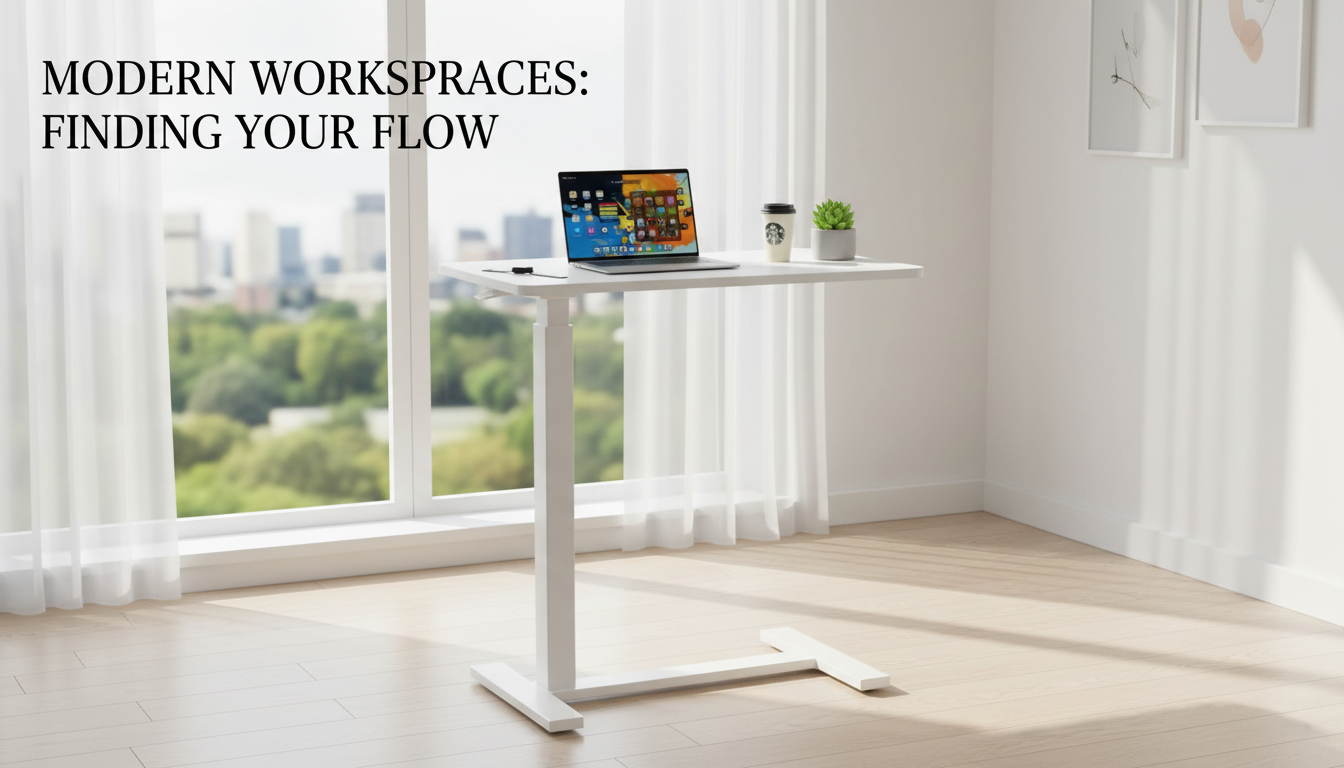
Adjustable Overbed Table: Comfortable Support for Meals, Work, and Recovery
An adjustable overbed table creates a stable surface that can slide close to the bed or sofa for eating, reading, writing, and device use. With the right height range, tabletop size, and base design, it can reduce strain on the neck, shoulders, and back while keeping essentials within easy reach during rest, recovery, or everyday lounging.
What an Adjustable Overbed Table Helps With
- Meals and drinks in bed with less risk of spills by keeping items level and close.
- Laptop and tablet use without balancing devices on knees or pillows.
- Reading, journaling, puzzles, crafts, and other seated or reclined activities.
- Recovery support for people who need to limit movement after surgery or illness.
- Caregiving convenience: a dedicated surface for medications, water, tissues, and personal items.
For households that share spaces (guest rooms, living rooms, or home offices), an overbed table also acts as a “floating” mini desk that can roll away when not needed, helping keep pathways clearer and essentials organized.
Features That Matter Most
- Height adjustment: a broad, smooth range helps fit different bed heights and seating positions.
- Tabletop size: enough depth for a plate plus drink, or a laptop with room for a mouse.
- Stability: a well-balanced base and solid column reduce wobble during typing or eating.
- Mobility: casters make it easier to roll in and out; locking wheels help keep it planted.
- Surface finish: easy-clean materials handle crumbs, spills, and disinfecting wipes.
- Ergonomics: the table should slide close so elbows can rest comfortably without hunching forward.
For posture and comfort, aim for a setup that supports a relaxed shoulder position and a neutral wrist angle during device use. General ergonomics guidance from the CDC/NIOSH can be helpful when adjusting your tabletop height and reach.
Quick Comparison: Typical Options and Who They Suit
Choose based on primary use first (meals vs. laptop work), then confirm height fit and base clearance. If frequent rolling is needed, prioritize sturdy casters and a base that clears under-bed obstacles. For typing, prioritize stability and sufficient tabletop depth.
| Type | Best for | Watch for |
|---|---|---|
| Basic height-adjustable overbed table | Meals, reading, light laptop use | Limited tabletop size or wobble on thick carpet |
| Heavy-duty overbed table | Frequent laptop work, higher weight loads | Heavier frame; may be less nimble in tight rooms |
| Tilt-top overbed table | Reading and drawing angles | Items can slide unless a lip/stopper is included |
| C-shaped side table (not true overbed) | Sofa use and small spaces | Often won’t reach fully over a bed; less stable for meals |
How to Measure for a Good Fit
- Bed height: measure from floor to top of mattress; confirm the table’s height range covers a comfortable elbow level while seated or reclined.
- Under-bed clearance: measure the height from floor to the lowest point of the bed frame and any crossbars that could block the base.
- Reach and overlap: ensure the tabletop can extend far enough over the mattress edge to keep items within reach without leaning.
- Room clearance: check turning space near the bed for rolling the base in and out, especially with nightstands or recliners nearby.
If the table is being used during recovery, plan for “easy access zones” so the most-used items stay closest to the dominant hand. For general safety awareness around bedside assistive setups, review the FDA’s guidance on related products and entrapment considerations: Bed rail and assistive product safety (FDA).
Setup, Safety, and Everyday Use Tips
- Lock wheels during meals or typing to reduce drift on smooth flooring.
- Keep heavy items centered over the base; avoid placing weight at the far edge.
- Use spill-resistant drinkware and wipe the surface promptly to help prevent staining or warping.
- Route charging cables along the column (or with clips) to avoid tangles near wheels.
- Keep essentials consistent in one place during medical recovery to reduce unnecessary reaching and twisting.
Product Spotlight: Adjustable Overbed Table
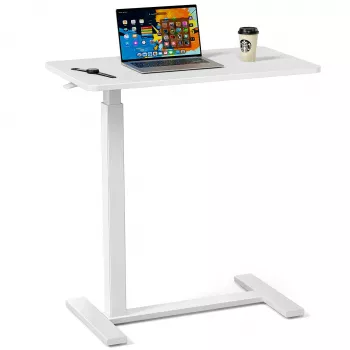
If you want a simple, flexible surface that slides close to the bed for daily tasks, the Adjustable Overbed Table is a practical option for meals, reading, and device use. It’s a budget-friendly way to add a dedicated bedside workspace without rearranging furniture, and it works well for guest rooms or temporary recovery setups where adaptability matters.
| Item | Details |
|---|---|
| Product | Adjustable Overbed Table |
| Price | $53.82 USD |
| Availability | In stock |
Helpful Add-Ons for a More Comfortable Bedside Setup
- Bedside lighting for evening reading: A dedicated wall light can reduce eye strain and free up tabletop space for drinks, books, or a device. Consider the Luxury Retro French Romantic Copper Crystal Wall Lamp for a fixed light source near the bed.
- Comfortable loungewear for rest and recovery: Soft, breathable clothing can make extended downtime feel less restrictive. The Calvin Klein Jeans Light Blue Cotton T-shirt for Men is an easy everyday option.
Care and Cleaning
FAQ
Will an overbed table fit under any bed frame?
Not always. Fit depends on under-bed clearance and the base shape, so measure from the floor to the lowest part of the frame and check for crossbars, drawers, or supports that could block the base from rolling in.
Is an adjustable overbed table stable enough for a laptop?
Most are stable enough for light-to-moderate typing when the height is set correctly and the wheels are locked. Stability varies by base width, column strength, and tabletop depth, so a sturdier frame generally feels better for frequent work.
How high should the tabletop be for comfortable use in bed?
A good target is around elbow height while seated or reclined so shoulders stay relaxed. For typing, adjust until wrists feel neutral; for meals, keep the surface level and close enough that you don’t have to lean forward.














Leave a comment