-
Shop
- Adidas
- Advanced Technologies
- AI Skills Mastery 2026 Collection
- Astrology & Tarot Products
- Beauty
- Beauty Guides Collection
- Best-Sellers
- Car Accessories
- Confidence
- Dating & Social Skills
- Digital Resources
- AI & Technology
- AI Skills
- Budgeting & Saving
- Car Buying & Ownership
- Cozy Feast Collection
- Electronics & Technology
- Emotional Intelligence
- Entrepreneurship & Business Growth
- Financial Education
- Financial Independence
- Financial Mindset & Psychology
- Goal Setting
- Hobbies
- Home Styling & Organization
- Kitchen & Recipes
- Leadership
- Mindfulness
- Mindset
- Motivation
- Online Business
- Parenting & Child Development
- Pet Lifestyle & Wellness
- Positive Thinking
- Productivity
- Self Confidence
- Sleep Improvement
- Smart Life with AI
- Stress Management & Relaxation
- Travel Planning
- Yoga & Fitness
- Yoga & Mind-Body Practices
- Education & Learning
- Family & Parenting
- Fashion
- Alexander McQueen
- Bags
- Bags & Wallets
- Balenciaga
- Belts
- Blazers
- Bottega Veneta
- Brunello Cucinelli
- Burberry
- Chanel
- Chloé
- Dior
- Dolce & Gabbana
- Dresses
- Etro
- Fendi
- Gucci
- Hats & Hair Accessories
- Hoodies & Sweatshirts
- Jacquemus
- Jil Sander
- Keychains
- Kiton
- Luggage
- Miu Miu
- Off-White
- Outerwear
- Prada
- Rick Owens
- Saint Laurent
- Shoes
- Socks & Tights
- Sweaters & Cardigans
- The Row
- Tom Ford
- Tops & Shirts
- Valentino
- Valentino Garavani
- Versace
- Vivienne Westwood
- Watches
- Fashion Accessories
- Furniture
- Gadgets
- Health & Beauty
- Health & Wellness
- Home & Garden
- Home Supplies
- Jewelry
- Kids & Babies
- Kitchen
- Kitchen Best-Sellers
- Nike
- Patio, Lawn & Garden
- Personal Growth
- Personal Style & Fashion
- Pet Care
- Pet Supplies
- Pets
- Smart Home Living Guides
- Sport & Outdoors
- Stress Relief & Relaxation
- Super Deals
- TikTok Growth & Monetization Mastery
- Travel
- Travel & Adventure
- Wealth
- Wellness
- Popular
- Best deals
2-Minute Stress Relief: Calm Tools for Busy Days
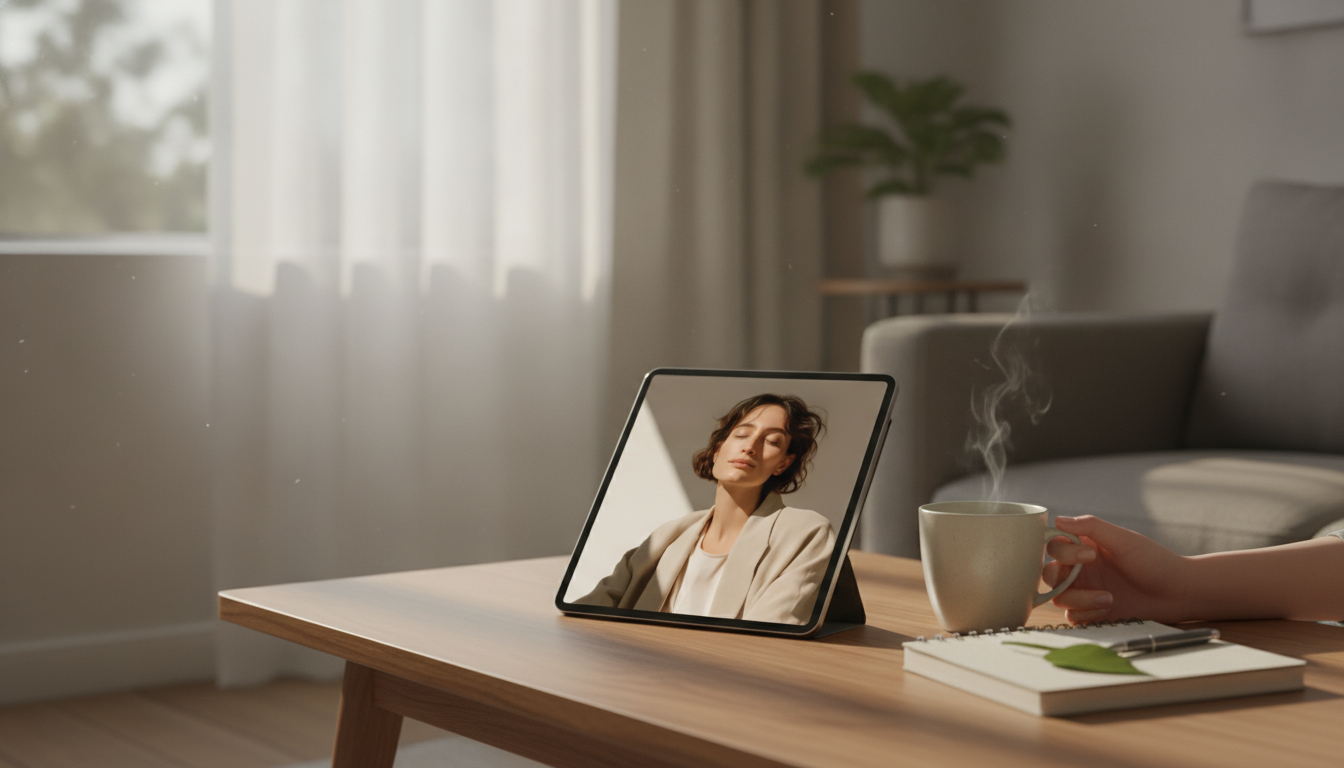
Calm in the Chaos: Practical Stress Relief for Busy Days
Stress rarely waits for a “better time.” When responsibilities keep moving, the most helpful tools are the ones that fit into real life—between meetings, commutes, family needs, and the endless to-do list. The goal isn’t to erase stress; it’s to help your system recover faster, think more clearly under pressure, and lower the intensity of those spikes so your day feels more workable.
Stress is also a whole-body experience. The American Psychological Association notes that stress affects mind and body together, which is why practical relief often starts with physiology, then expands into mindset and routines.
What “calm” looks like when life doesn’t slow down
Calm isn’t the absence of stress; it’s the ability to return to baseline more quickly after you’ve been activated. Instead of aiming for constant relaxation (which can backfire when life is demanding), focus on reducing the intensity and duration of the stress response—racing thoughts, irritability, muscle tension, and that “on edge” feeling.
- Progress can look like better sleep quality, fewer “snap” moments, clearer prioritization, and quicker recovery after triggers.
- A realistic approach favors short interventions repeated consistently over occasional long sessions that rarely happen on busy weeks.
Start with the body: fast ways to downshift the stress response
When emotions run high, the fastest leverage is often physical. Small adjustments can cue safety to the nervous system and reduce the momentum of spiraling stress.
- Lengthen the exhale: Try inhale for 4, exhale for 6, for 2–5 minutes. A longer exhale tends to promote settling and steadier focus.
- Physiological sigh: Two short inhales through the nose, followed by a long exhale. Repeat 3–5 times when anxious or overwhelmed.
- Release “armoring”: Unclench the jaw, drop the shoulders, soften the hands. Even a 10-second scan can reduce tension you’re unknowingly carrying.
- Micro-movement: 60–120 seconds of walking, calf/hip stretches, or shoulder rolls helps metabolize stress energy.
- Temperature shift: Cool water on the face or a cool drink can create a quick reset when emotions feel hot and urgent.
Quick resets that fit into busy moments
| Situation | 2-minute reset | Why it helps |
|---|---|---|
| Before a stressful call | Exhale-long breathing (4 in / 6 out) x 10 rounds | Supports nervous-system settling and steadier focus |
| After an argument or tense email | Physiological sigh x 5, then unclench jaw + drop shoulders | Reduces arousal and interrupts escalation |
| Afternoon crash | 60–90 seconds brisk walk + water | Boosts energy and clears mental fog |
| Racing thoughts at bedtime | Body scan from forehead to feet + slow exhale | Shifts attention from rumination to sensation |
Mindfulness that works in motion (not just on a cushion)
Mindfulness doesn’t need silence, incense, or long sessions. “Micro” practices are built for crowded schedules and can reduce mental clutter right where stress happens.
- One-sense anchoring: For 30–60 seconds during a routine task, choose one sense (sound, touch, or sight). For example, feel the water while washing hands or notice three sounds in the room.
- Three-step check-in: Name the feeling, locate it in the body, and choose one helpful action (sip water, step outside, send one clear message).
- Mindful transitions: Take three slow breaths when switching roles (work to home, car to errands) to reduce “carryover” stress.
- Good-enough presence: Returning attention once is a win. Repetition matters more than perfect focus.
Reduce stress at the source: boundaries, priorities, and time friction
Thought patterns that keep stress sticky—and how to unhook
A simple daily rhythm: stabilize sleep, energy, and mood
- Morning: Get light exposure (outside or near a window) and drink water to support alertness and circadian timing.
- Midday: Plan one recovery point before stress peaks: a short walk, a quiet lunch, or two minutes of exhale-long breathing.
- Evening: Gradually reduce intensity—lower lights, limit heavy emails, and keep a short wind-down routine.
- Sleep basics: Consistent wake time, a caffeine cutoff that matches your sensitivity, and a low-effort pre-bed ritual (stretch + slow exhale breathing). The CDC’s sleep guidance highlights how foundational sleep is to health and daily functioning.
- Choose repeatable habits: The best routine is the one that survives your busiest weeks.
A structured approach that keeps it practical
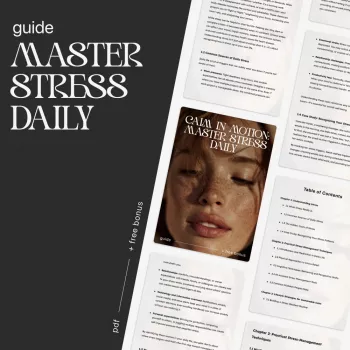
If you want a ready-to-use toolkit, Calm in the Chaos: A Practical Guide to Reducing Stress Without Hitting Pause on Life focuses on actionable methods for stress reduction, mindfulness, and everyday wellness. A simple way to use it: pick one body-based technique, one mindset tool, and one boundary to practice for a week, then track tiny outcomes (sleep quality, fewer spikes, quicker recovery) instead of chasing an always-calm mood.
For a small daily ritual that supports slower pacing, consider using a dedicated cup for a brief “pause moment,” like tea or decaf after lunch: Elegant 280ML Ceramic Coffee Cup with Saucer – Striped Latte & Tea Mug.
For more background on stress and why it can feel all-consuming, the National Institute of Mental Health offers a helpful overview of how stress works and when to seek additional support.
FAQ
How long does it take for stress-reduction techniques to start working?
Breathing and muscle-release exercises can shift how you feel within minutes. More durable changes—better sleep, improved boundaries, and steadier attention—often become noticeable over about 2–6 weeks of regular practice.
Can mindfulness help if the schedule is already overloaded?
Yes—micro-mindfulness is designed for busy days. Short anchors (30–90 seconds) during transitions or routine tasks can reduce mental clutter, and consistency matters more than long sessions.
What if stress feels constant and overwhelming?
Start with body-based downshifts (breathing, tension release, movement) and simplify commitments where you can to reduce the load. If symptoms feel severe, persistent, or interfere with daily functioning, consider reaching out to a licensed clinician for support.














Leave a comment