-
Shop
- Adidas
- Advanced Technologies
- AI Skills Mastery 2026 Collection
- Astrology & Tarot Products
- Beauty
- Beauty Guides Collection
- Best-Sellers
- Car Accessories
- Confidence
- Dating & Social Skills
- Digital Resources
- AI & Technology
- AI Skills
- Budgeting & Saving
- Car Buying & Ownership
- Cozy Feast Collection
- Electronics & Technology
- Emotional Intelligence
- Entrepreneurship & Business Growth
- Financial Education
- Financial Independence
- Financial Mindset & Psychology
- Goal Setting
- Hobbies
- Home Styling & Organization
- Kitchen & Recipes
- Leadership
- Mindfulness
- Mindset
- Motivation
- Online Business
- Parenting & Child Development
- Pet Lifestyle & Wellness
- Positive Thinking
- Productivity
- Self Confidence
- Sleep Improvement
- Smart Life with AI
- Stress Management & Relaxation
- Travel Planning
- Yoga & Fitness
- Yoga & Mind-Body Practices
- Education & Learning
- Family & Parenting
- Fashion
- Alexander McQueen
- Bags
- Bags & Wallets
- Balenciaga
- Belts
- Blazers
- Bottega Veneta
- Brunello Cucinelli
- Burberry
- Chanel
- Chloé
- Dior
- Dolce & Gabbana
- Dresses
- Etro
- Fendi
- Gucci
- Hats & Hair Accessories
- Hoodies & Sweatshirts
- Jacquemus
- Jil Sander
- Keychains
- Kiton
- Luggage
- Miu Miu
- Off-White
- Outerwear
- Prada
- Rick Owens
- Saint Laurent
- Shoes
- Socks & Tights
- Sweaters & Cardigans
- The Row
- Tom Ford
- Tops & Shirts
- Valentino
- Valentino Garavani
- Versace
- Vivienne Westwood
- Watches
- Fashion Accessories
- Furniture
- Gadgets
- Health & Beauty
- Health & Wellness
- Home & Garden
- Home Supplies
- Jewelry
- Kids & Babies
- Kitchen
- Kitchen Best-Sellers
- Nike
- Patio, Lawn & Garden
- Personal Growth
- Personal Style & Fashion
- Pet Care
- Pet Supplies
- Pets
- Smart Home Living Guides
- Sport & Outdoors
- Stress Relief & Relaxation
- Super Deals
- TikTok Growth & Monetization Mastery
- Travel
- Travel & Adventure
- Wealth
- Wellness
- Popular
- Best deals
Eco-Friendly Fabrics Guide: Better Choices for Clothes
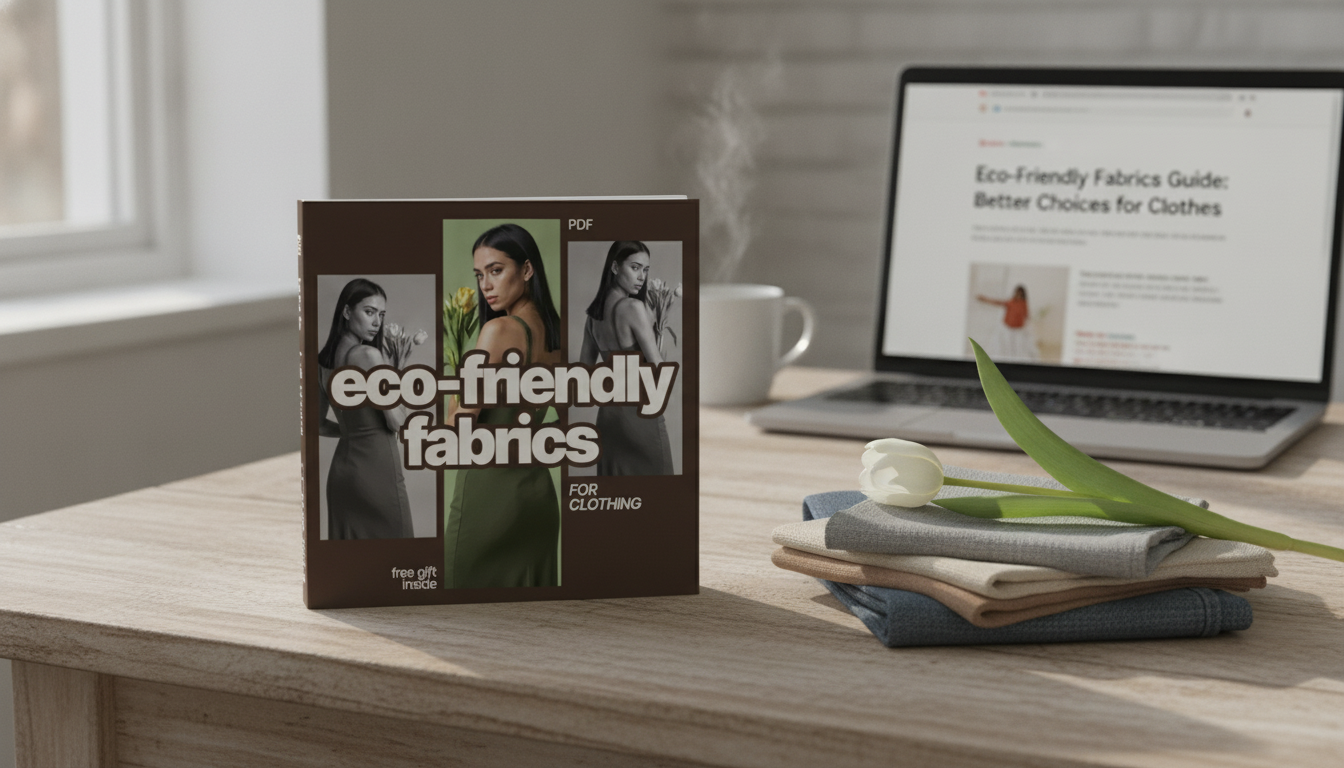
Eco-Friendly Fabrics for Clothing: A Practical Guide to Better Materials and Smarter Wardrobe Choices
Choosing fabrics is one of the fastest ways to reduce a wardrobe’s footprint without sacrificing comfort or style. Some materials are lower-impact because they use less water, fewer toxic chemicals, or renewable feedstocks; others earn “eco” labels while hiding tradeoffs like heavy processing or poor durability. This guide breaks down reliable sustainable fabric options, what to look for on labels, how to compare them by use-case, and how a fabric-first mindset can make everyday outfits more responsible and longer-lasting.
What Makes a Fabric “Eco-Friendly”
No single fiber is perfect in every context, so “eco-friendly” is best understood as a set of practical checks rather than a buzzword.
- Resource use: water consumption, land use, energy intensity, and whether the feedstock is renewable or waste-based.
- Chemistry and pollution: pesticide use in farming, toxic dyeing/finishing, and whether wastewater is treated responsibly.
- Durability and care: fabrics that hold up (and wash easily) often have a lower lifetime impact than delicate fibers that need frequent replacement.
- End-of-life: recyclability, biodegradability (and under what conditions), and whether blends prevent practical recycling.
- Labor and traceability: credible certifications and transparent supply chains reduce greenwashing risk.
For deeper, data-driven context on preferred fibers and industry benchmarks, explore resources from Textile Exchange.
The Most Reliable Sustainable Fabric Choices (and When to Use Them)
These options are widely available, comparatively well-understood, and easier to shop for without relying on vague claims.
Quick picks
- Organic cotton: better pesticide profile than conventional; ideal for tees, denim, underwear, and basics—watch for heavy dyeing and finishes.
- Linen (flax): often lower irrigation needs and strong durability; great for shirts, summer pants, and dresses—wrinkles, but lasts.
- Hemp: hardy crop with a strong fiber; works for structured tops, workwear, and blends that add strength—handfeel varies by processing.
- TENCEL™ Lyocell: responsibly sourced wood pulp in a closed-loop solvent system; soft drape for blouses, dresses, and lounge—check mill transparency.
- Recycled polyester (rPET): reduces virgin fossil input; good for outerwear and performance items—prioritize durability and consider microfiber shedding.
- Wool (responsibly sourced): long-wearing, odor-resistant, and insulating; best for sweaters and coats—look for animal welfare and mulesing-free claims.
| Fabric | Why it’s a better option | Watch-outs | Best for |
|---|---|---|---|
| Organic cotton | Lower pesticide inputs; familiar comfort | Dyeing/finishes can add impact; water varies by region | Basics, denim, underwear |
| Linen (flax) | Often lower water; very durable; breathable | Wrinkles; quality varies by weave | Summer shirts, trousers, dresses |
| Hemp | Hardy crop; strong fiber; long lifespan | Processing can be intensive; softer grades cost more | Workwear, structured pieces, blends |
| Lyocell (TENCEL™) | Closed-loop processing; smooth drape | Green claims vary by brand; can pill if low quality | Dresses, blouses, soft pants |
| Recycled polyester | Reduces virgin fossil use; tough performance | Microfiber shedding; not biodegradable | Outerwear, bags, activewear |
| Wool (certified) | Warm, durable, odor-resistant | Animal welfare concerns; moth care needed | Sweaters, coats, socks |
Certifications and Label Clues That Matter
Certifications don’t guarantee perfection, but they provide a clearer baseline than a hangtag that simply says “sustainable.”
- GOTS: organic fiber plus stricter rules on chemicals and processing across the supply chain. Learn more at Global Organic Textile Standard (GOTS).
- OEKO-TEX® Standard 100: focuses on harmful substances in the final product; especially helpful for skin-contact items. Reference: OEKO-TEX® Certifications.
- bluesign®: evaluates chemical inputs and manufacturing safeguards; common in performance apparel.
- FSC® or PEFC: indicates responsibly managed forests for cellulosic fibers (viscose/lyocell feedstock).
- RWS (Responsible Wool Standard): animal welfare and land management for wool supply chains.
- Red flags: “eco” without specifics, vague “bamboo fabric” claims (often viscose), and missing country-of-origin or fiber percentages.
Bamboo, Viscose, Modal, and Rayon: Sorting the Hype from the Reality
Bamboo as a plant grows quickly, but most bamboo clothing is actually bamboo viscose/rayon—meaning the fiber was regenerated using chemically intensive processing. That doesn’t automatically make it “bad,” but it does make simple “bamboo is sustainable” claims incomplete.
Choosing Fabrics by Garment Type
Care and Longevity: The Most Overlooked Sustainability Lever
A Fabric-First Shopping Checklist
Digital Guide Spotlight: Eco-Friendly Fabrics for Clothing eBook
If you want a quick-reference companion while shopping online, Eco-Friendly Fabrics for Clothing eBook: Your Complete Guide to Sustainable Fashion Choices is designed to help compare common sustainable textiles, spot real-world tradeoffs, and build a personal “fabric preference list” by season, skin sensitivity, and lifestyle needs.
Pair fabric decisions with smarter outfit planning using the Budget Style Strategy Bundle for Everyday Looks – 5-in-1 Digital Download, and refine color choices for a more wearable closet with Deep Autumn Wardrobe Made Easy: Your Ultimate Guide to Deep Autumn Color Palette Clothing.
FAQ
Is organic cotton always better than conventional cotton?
Organic cotton typically reduces synthetic pesticide use, but water impact still depends on where and how it’s grown. Dyeing, finishing, and garment durability can outweigh fiber benefits, so look for strong construction and credible certifications like GOTS when possible.
Is bamboo fabric sustainable?
Most “bamboo” apparel is bamboo viscose/rayon, which often involves chemically intensive processing, even if the plant grows quickly. Bamboo lyocell is generally the better signal, and forest-certification (FSC/PEFC) plus strong chemical-management standards can help separate solid options from hype.
What’s the best eco-friendly fabric for activewear?
Recycled synthetics (like recycled polyester) are often the most practical choice for performance and longevity. Prioritize durable construction to reduce replacements, and help limit microfiber shedding by washing less, using gentler cycles, and considering a wash bag or filter.















Leave a comment