-
Shop
- Adidas
- Advanced Technologies
- AI Skills Mastery 2026 Collection
- Astrology & Tarot Products
- Beauty
- Beauty Guides Collection
- Best-Sellers
- Car Accessories
- Confidence
- Dating & Social Skills
- Digital Resources
- AI & Technology
- AI Skills
- Budgeting & Saving
- Car Buying & Ownership
- Cozy Feast Collection
- Electronics & Technology
- Emotional Intelligence
- Entrepreneurship & Business Growth
- Financial Education
- Financial Independence
- Financial Mindset & Psychology
- Goal Setting
- Hobbies
- Home Styling & Organization
- Kitchen & Recipes
- Leadership
- Mindfulness
- Mindset
- Motivation
- Online Business
- Parenting & Child Development
- Pet Lifestyle & Wellness
- Positive Thinking
- Productivity
- Self Confidence
- Sleep Improvement
- Smart Life with AI
- Stress Management & Relaxation
- Travel Planning
- Yoga & Fitness
- Yoga & Mind-Body Practices
- Education & Learning
- Family & Parenting
- Fashion
- Alexander McQueen
- Bags
- Bags & Wallets
- Balenciaga
- Belts
- Blazers
- Bottega Veneta
- Brunello Cucinelli
- Burberry
- Chanel
- Chloé
- Dior
- Dolce & Gabbana
- Dresses
- Etro
- Fendi
- Gucci
- Hats & Hair Accessories
- Hoodies & Sweatshirts
- Jacquemus
- Jil Sander
- Keychains
- Kiton
- Luggage
- Miu Miu
- Off-White
- Outerwear
- Prada
- Rick Owens
- Saint Laurent
- Shoes
- Socks & Tights
- Sweaters & Cardigans
- The Row
- Tom Ford
- Tops & Shirts
- Valentino
- Valentino Garavani
- Versace
- Vivienne Westwood
- Watches
- Fashion Accessories
- Furniture
- Gadgets
- Health & Beauty
- Health & Wellness
- Home & Garden
- Home Supplies
- Jewelry
- Kids & Babies
- Kitchen
- Kitchen Best-Sellers
- Nike
- Patio, Lawn & Garden
- Personal Growth
- Personal Style & Fashion
- Pet Care
- Pet Supplies
- Pets
- Smart Home Living Guides
- Sport & Outdoors
- Stress Relief & Relaxation
- Super Deals
- TikTok Growth & Monetization Mastery
- Travel
- Travel & Adventure
- Wealth
- Wellness
- Popular
- Best deals
Best Indoor-Only Pets for Small Spaces & Busy Owners
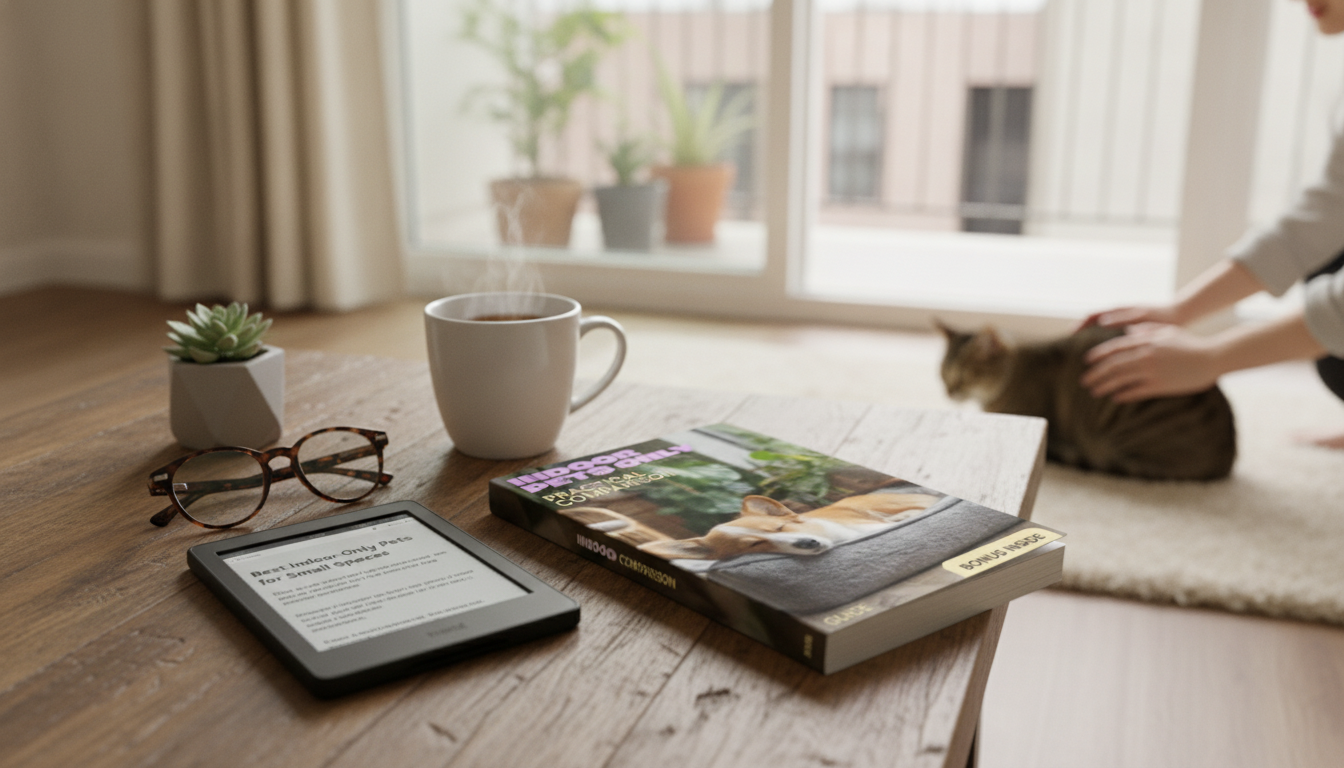
Indoor Pets Only: Practical Comparison for Small Spaces, Busy Schedules, and First-Time Owners
Choosing an indoor-only pet is less about what looks cute and more about matching energy level, space, noise tolerance, and daily care time. The best “apartment pet” is the one whose routine fits your real week—workdays, weekends, travel, and the amount of cleaning you’ll actually keep up with. Below is a practical comparison of indoor-friendly pets that can thrive inside when their needs are met, plus the reality checks first-time owners often learn the hard way.
Start With Your Real Life: Space, Time, Noise, and Mess
Before picking a species, do a quick personal audit. This prevents the common cycle of buying supplies first and then discovering the day-to-day doesn’t fit.
- Space check: Measure floor area, note vertical space (shelves, cat trees, tall cages), and ensure good ventilation. Identify a quiet sleep zone away from foot traffic.
- Time check: Estimate minutes available daily for feeding, spot-cleaning, and interaction. Be honest about weekdays versus weekends.
- Noise tolerance: Consider neighbors, shared walls, and whether a pet’s activity pattern conflicts with your sleep (some are most active at night).
- Mess tolerance: Plan for shedding, litter scatter, hay dust, bedding changes, and odor control.
- Budget baseline: Compare setup costs (enclosure, litter box, carrier, heater/filter) with recurring costs (food, bedding, vet care).
For broader planning guidance on choosing the right companion animal, the AVMA’s overview is a helpful starting point: AVMA: Choosing the Right Pet.
Quick Comparison: Common Indoor-Only Pets at a Glance
Use this snapshot to narrow options, then validate with local regulations, housing rules, and veterinarian guidance. Beginner-friendly doesn’t mean no-maintenance; it means the care is more predictable and easier to standardize into a routine.
| Pet | Space Needs | Daily Time | Noise | Mess/Odor | Handling & Social Needs | Best For |
|---|---|---|---|---|---|---|
| Adult cat (indoor) | Low–Medium (vertical space helps) | 20–45 min + litter | Low–Medium | Medium | Independent but needs play | Busy owners who still want interaction |
| Small dog (indoor lifestyle) | Medium (plus outdoor potty walks) | 60–120 min | Medium | Medium–High | High social needs | Owners with time for training & walks |
| Pair of rats | Medium (tall cage) | 30–60 min + cage upkeep | Low | Medium | Very social; needs daily handling | People who want a smart, interactive small pet |
| Guinea pig pair | Medium–High (large enclosure) | 20–45 min + hay | Low–Medium | Medium | Gentle; prefers routine | Calmer households, kids with supervision |
| Syrian hamster (solo) | Low–Medium (bigger than marketed cages) | 10–20 min + weekly deep clean | Low | Low–Medium | Mostly nocturnal; limited handling | Night owls, smaller apartments |
| Betta fish (heated, filtered tank) | Low footprint | 5–10 min + weekly water care | None | Low | Observation-focused | Low-noise homes, minimal dander concerns |
| Crested gecko | Low (vertical terrarium) | 10–15 min | None | Low | Low handling; humidity sensitive | People who like reptiles, steady routines |
Pet-by-Pet Practical Notes (What First-Time Owners Miss)
- Cats: Indoor enrichment is non-negotiable. Scratching surfaces, climbing options, and short “hunt-style” play sessions reduce boredom behaviors like nighttime zoomies or furniture damage.
- Small dogs: “Indoor” still means outdoor potty and structured training. If your schedule changes often, separation anxiety and barking can become the real challenge—not square footage.
- Rats: They do best with same-sex companions and daily out-of-cage time. Odor is usually a cleaning-schedule issue: frequent spot-cleaning plus a consistent weekly deep clean matters more than fancy deodorizers.
- Guinea pigs: Plan for constant hay access and a vitamin C–supported diet. Pairs are strongly preferred for welfare, and the enclosure footprint is often larger than people expect.
- Hamsters: Many are nocturnal and can stress with frequent handling. Deep bedding and plenty of floor space reduce pacing and repetitive behaviors.
- Fish: The commitment is water quality and stable temperature, not just feeding. Tiny bowls are not suitable long term; a heated, filtered setup makes care more consistent.
- Geckos: The “daily task” is environmental stability—humidity and temperature checks. Feeding frequency depends on age and species, but routine is everything.
Busy-Life Routines That Prevent Burnout
Low-drama pet ownership usually comes down to systems. A simple plan you repeat beats an ambitious plan you abandon.
Apartment and Roommate-Friendly Picks
Safety, Hygiene, and Vet Reality Checks
Every pet needs a plan for routine care and unexpected illness. For zoonotic risk basics and good household practices, the CDC guidance is worth bookmarking: CDC: Healthy Pets, Healthy People.
A Simple Matching Framework (Pick 2 Priorities)
Practical Comparison Guide (Digital Download)
Elegant 280ML Ceramic Coffee Cup with Saucer – Striped Latte & Tea Mug
FAQ
What is the easiest indoor-only pet to care for with a busy schedule?
Fish and certain reptiles can be easier day-to-day because they don’t require constant social interaction, but they still need consistent habitat upkeep (water quality or humidity/temperature). “Easy” usually means predictable routines and a proper setup from the start, not skipping checks.
Are indoor-only pets okay for small apartments?
Yes, as long as the species is matched to the space and the enclosure meets real size standards (not just what’s commonly marketed). Cats often do well with vertical space, while small mammals may need more floor area than expected—plus lease and roommate rules should be confirmed first.
Which indoor pets are best for first-time owners who want something interactive?
Adult cats and pet rats are often interactive in different ways: cats thrive on play and routine, while rats typically enjoy daily handling and out-of-cage exploration. The best choice depends on your comfort with cleaning, social time commitments, and local vet access.















Leave a comment