-
Shop
- Adidas
- Advanced Technologies
- AI Skills Mastery 2026 Collection
- Astrology & Tarot Products
- Beauty
- Beauty Guides Collection
- Best-Sellers
- Car Accessories
- Confidence
- Dating & Social Skills
- Digital Resources
- AI & Technology
- AI Skills
- Budgeting & Saving
- Car Buying & Ownership
- Cozy Feast Collection
- Electronics & Technology
- Emotional Intelligence
- Entrepreneurship & Business Growth
- Financial Education
- Financial Independence
- Financial Mindset & Psychology
- Goal Setting
- Hobbies
- Home Styling & Organization
- Kitchen & Recipes
- Leadership
- Mindfulness
- Mindset
- Motivation
- Online Business
- Parenting & Child Development
- Pet Lifestyle & Wellness
- Positive Thinking
- Productivity
- Self Confidence
- Sleep Improvement
- Smart Life with AI
- Stress Management & Relaxation
- Travel Planning
- Yoga & Fitness
- Yoga & Mind-Body Practices
- Education & Learning
- Family & Parenting
- Fashion
- Alexander McQueen
- Bags
- Bags & Wallets
- Balenciaga
- Belts
- Blazers
- Bottega Veneta
- Brunello Cucinelli
- Burberry
- Chanel
- Chloé
- Dior
- Dolce & Gabbana
- Dresses
- Etro
- Fendi
- Gucci
- Hats & Hair Accessories
- Hoodies & Sweatshirts
- Jacquemus
- Jil Sander
- Keychains
- Kiton
- Luggage
- Miu Miu
- Off-White
- Outerwear
- Prada
- Rick Owens
- Saint Laurent
- Shoes
- Socks & Tights
- Sweaters & Cardigans
- The Row
- Tom Ford
- Tops & Shirts
- Valentino
- Valentino Garavani
- Versace
- Vivienne Westwood
- Watches
- Fashion Accessories
- Furniture
- Gadgets
- Health & Beauty
- Health & Wellness
- Home & Garden
- Home Supplies
- Jewelry
- Kids & Babies
- Kitchen
- Kitchen Best-Sellers
- Nike
- Patio, Lawn & Garden
- Personal Growth
- Personal Style & Fashion
- Pet Care
- Pet Supplies
- Pets
- Smart Home Living Guides
- Sport & Outdoors
- Stress Relief & Relaxation
- Super Deals
- TikTok Growth & Monetization Mastery
- Travel
- Travel & Adventure
- Wealth
- Wellness
- Popular
- Best deals
Best Kitchen Runner Materials: Cotton, Polyester & Blends
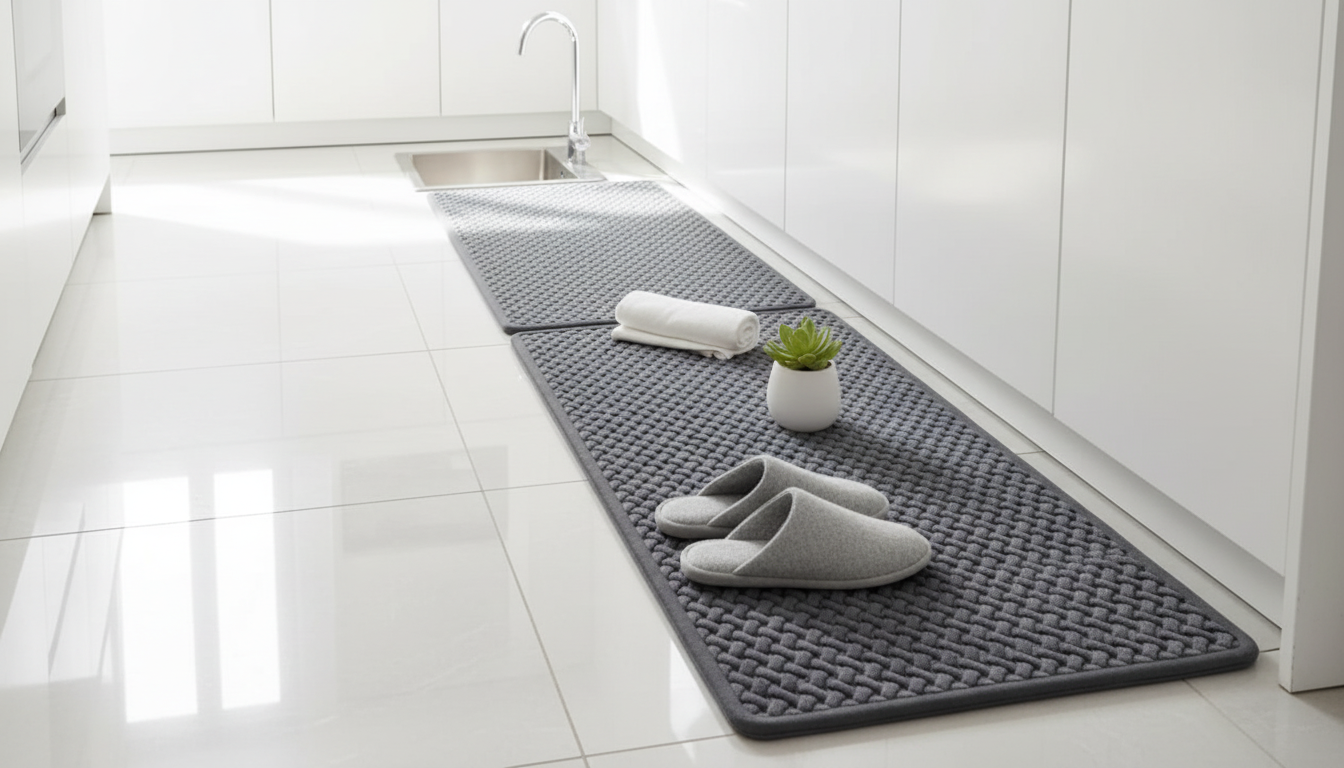
What material is best for kitchen runners?
The best material for a kitchen runner depends on how you use your kitchen, but for most homes, woven polyester-cotton blends hit the sweet spot. They’re typically absorbent enough for everyday splashes, durable under constant foot traffic, and easier to clean than many natural-fiber options.
If slip resistance is a priority, choose a runner designed to work with a non-slip backing or pair it with a quality rug pad. Kitchens see quick turns, wet spots, and frequent movement, so stability matters as much as softness.
Top kitchen runner materials (and when they work best)
Woven polyester-cotton blends: A practical all-around choice. These runners often balance comfort, stain resistance, and washability. They can handle busy cooking zones without looking worn too quickly.
100% cotton: Great for softness and absorbency, especially near the sink. The tradeoff is that cotton can show stains sooner and may wear faster in high-traffic lanes unless it’s tightly woven and well-made.
Polyester (synthetic): Often more stain-resistant and quick-drying than natural fibers. It’s a solid pick for messy households, but absorbency varies by weave and thickness, so check product details if you’re placing it by the sink.
Jute/sisal (natural fiber): Attractive and textured, but generally less forgiving around water and spills. These are better for low-splash areas and kitchens where the runner is more decorative than functional.
What to look for beyond material
A runner’s weave and backing matter. A tighter weave tends to trap less debris and vacuum more easily, while a low-profile design reduces tripping and clears door swings. For safety, prioritize non-slip features—either a built-in backing or a separate pad.
For a deeper breakdown of absorbency, non-slip options, and easy-care picks, see the full guide: https://charmeta.com/guide-absorbent-non-slip-woven-polyester-cotton-kitchen-runner/.
FAQ
How do I keep a kitchen runner from sliding?
Use a non-slip rug pad cut to size or choose a runner with a grippy backing. Make sure the floor is clean and dry before placing it so the pad can grip properly.














Leave a comment