-
Shop
- Adidas
- Advanced Technologies
- AI Skills Mastery 2026 Collection
- Astrology & Tarot Products
- Beauty
- Beauty Guides Collection
- Best-Sellers
- Car Accessories
- Confidence
- Dating & Social Skills
- Digital Resources
- AI & Technology
- AI Skills
- Budgeting & Saving
- Car Buying & Ownership
- Cozy Feast Collection
- Electronics & Technology
- Emotional Intelligence
- Entrepreneurship & Business Growth
- Financial Education
- Financial Independence
- Financial Mindset & Psychology
- Goal Setting
- Hobbies
- Home Styling & Organization
- Kitchen & Recipes
- Leadership
- Mindfulness
- Mindset
- Motivation
- Online Business
- Parenting & Child Development
- Pet Lifestyle & Wellness
- Positive Thinking
- Productivity
- Self Confidence
- Sleep Improvement
- Smart Life with AI
- Stress Management & Relaxation
- Travel Planning
- Yoga & Fitness
- Yoga & Mind-Body Practices
- Education & Learning
- Family & Parenting
- Fashion
- Alexander McQueen
- Bags
- Bags & Wallets
- Balenciaga
- Belts
- Blazers
- Bottega Veneta
- Brunello Cucinelli
- Burberry
- Chanel
- Chloé
- Dior
- Dolce & Gabbana
- Dresses
- Etro
- Fendi
- Gucci
- Hats & Hair Accessories
- Hoodies & Sweatshirts
- Jacquemus
- Jil Sander
- Keychains
- Kiton
- Luggage
- Miu Miu
- Off-White
- Outerwear
- Prada
- Rick Owens
- Saint Laurent
- Shoes
- Socks & Tights
- Sweaters & Cardigans
- The Row
- Tom Ford
- Tops & Shirts
- Valentino
- Valentino Garavani
- Versace
- Vivienne Westwood
- Watches
- Fashion Accessories
- Furniture
- Gadgets
- Health & Beauty
- Health & Wellness
- Home & Garden
- Home Supplies
- Jewelry
- Kids & Babies
- Kitchen
- Kitchen Best-Sellers
- Nike
- Patio, Lawn & Garden
- Personal Growth
- Personal Style & Fashion
- Pet Care
- Pet Supplies
- Pets
- Smart Home Living Guides
- Sport & Outdoors
- Stress Relief & Relaxation
- Super Deals
- TikTok Growth & Monetization Mastery
- Travel
- Travel & Adventure
- Wealth
- Wellness
- Popular
- Best deals
Cotton Kitchen Towels That Absorb Fast: Care & Uses
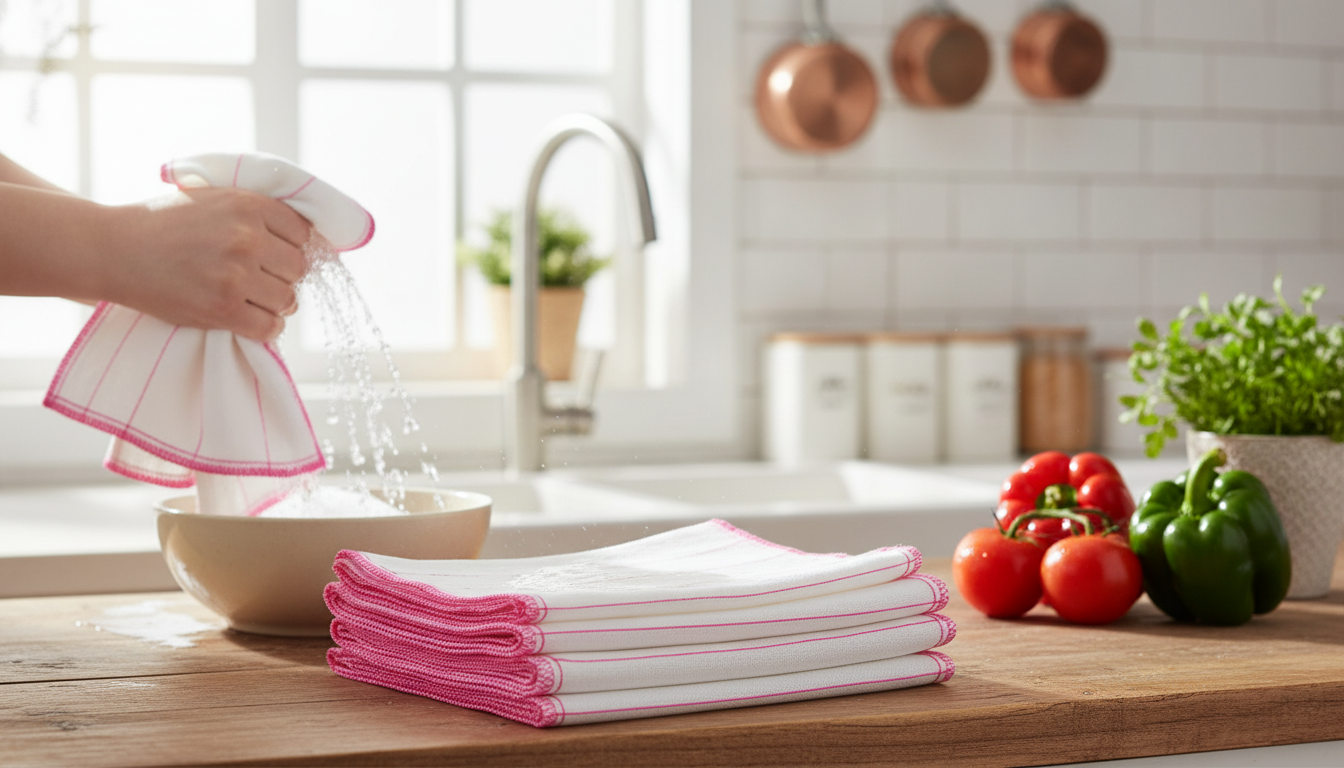
Super Absorbent Cotton Kitchen Towels for Everyday Cleanup
Soft, reusable cotton dishcloths can make daily kitchen chores faster, cleaner, and less wasteful. When a towel actually absorbs (instead of just pushing water around), you spend less time re-wiping counters, drying dishes, and dealing with damp, smelly cloths. Below is a practical guide to what makes cotton towels so effective, where they shine in real kitchens, how to care for them, and how to build a simple routine that keeps a fresh towel within reach.
What Makes Cotton Towels So Absorbent
Cotton earns its reputation in the kitchen because the fibers naturally take in water and hold it within the weave. That “soak and hold” ability is what helps cotton towels dry hands quickly, pull moisture off dishes, and blot produce without shredding or leaving lint behind.
Construction matters, too. A tighter, well-constructed weave helps a towel stay durable through repeated washing and daily wringing, while still absorbing quickly when it meets a spill. In day-to-day use, that balance is what keeps towels from thinning out too fast or feeling slick and water-resistant after a few laundry cycles.
Finally, reusable cloths reduce reliance on single-use paper products for routine spills and wipe-downs. For many households, that means fewer rolls purchased, less trash, and a smoother cleanup flow—especially during cooking when small messes happen back-to-back.
Everyday Uses Around the Kitchen
A good cotton towel set can cover most of the little jobs that pop up between meals and during prep. These are the tasks where absorbency and a comfortable hand-feel make the biggest difference:
- Drying dishes and glassware: Cotton can dry without the squeaky feel some synthetic cloths create, and it often leaves less streaking on everyday glassware.
- Wiping counters, stovetops, and cabinet fronts: After cooking, a damp cotton towel catches splatter, crumbs, and light residue before it hardens.
- Handling quick spills: Blot first to absorb, then wipe to lift any remaining residue. Blotting reduces the “spread” that can happen when you wipe immediately.
- Wrapping washed greens or herbs: Briefly wrap and gently press to pull off excess water before storage, helping produce stay crisper.
- Creating hygienic separation: Use one towel for dishes and another for surfaces (and a separate one for hands) so tasks stay cleaner and less “crossed.”
For food safety and a cleaner routine, it also helps to follow widely recommended practices for avoiding cross-contamination during prep—especially around raw meats and their juices. The USDA’s guidance on kitchen cleanliness is a solid reference for everyday habits: USDA: Kitchen Cleanliness and Preventing Cross-Contamination.
Reusable vs. Paper: Practical Benefits
Paper towels have their place, but reusable cotton towels can handle a large share of daily cleanup with less waste. A cloth towel can be rinsed, wrung out, and reused multiple times during a single meal prep session, which is especially helpful when you’re moving from rinsing produce to wiping counters to drying hands.
Quick comparison for daily cleanup
| Feature | Reusable cotton towels | Paper towels |
|---|---|---|
| Absorbency | High; can be wrung out and reused | High initially; single-use |
| Waste | Low when washed and reused | Higher; frequent disposal |
| Best for | Drying dishes, wiping surfaces, routine spills | Grease-heavy messes, pet accidents, one-off messy jobs |
| Ongoing cost | Lower over time with regular laundering | Continues with every roll |
Many kitchens use both: cotton for the repeatable tasks (hands, dishes, counters) and paper for occasional jobs where you truly want a disposable option.
Care Tips for Long-Lasting Dishcloths
The most common complaint about dishcloths isn’t absorbency—it’s odor. The fix is usually simple: manage moisture and wash frequency.
- Rinse after use and hang to dry fully: Airflow matters. A towel left balled up stays damp and can develop odors quickly.
- Wash regularly: Warm or hot water works well depending on soil level. If a towel handled heavier grime, wash it sooner and keep greasy loads separate when possible.
- Go easy on fabric softener: Heavy softener buildup can reduce absorbency over time by leaving a coating on fibers.
- Rotate multiple cloths: A small rotation keeps a fresh towel available for food-prep surfaces and reduces the temptation to “stretch” one cloth too long.
- Know when to retire one: Replace towels that develop persistent odor, thinning fabric, or fraying edges that snag and shed.
If you’re doing a deeper clean of kitchen surfaces beyond routine wiping, follow established public health guidance for cleaning and disinfecting: CDC: Cleaning and Disinfecting Your Facility.
Where These Towels Fit Best in a Simple Kitchen Routine
A towel system doesn’t need to be complicated to feel “put together.” A few small habits can make cleanup faster and reduce rework:
Product Picks In Stock
Super Absorbent Cotton Kitchen Towels – Reusable Dishcloths for Daily Use
Kids’ Room Declutter Checklist | Printable Digital Download | How to Declutter Kids Rooms
Product Snapshot: Super Absorbent Cotton Kitchen Towels
| Item | Details |
|---|---|
| Name | Super Absorbent Cotton Kitchen Towels – Reusable Dishcloths for Daily Use |
| Availability | In stock |
| Price | 2.01 USD |
| Good for | Daily dishes, counters, quick spills, hand drying |
FAQ
How often should reusable kitchen dishcloths be washed?
For everyday use, wash every 1–2 days or sooner if they’ve been used on raw-meat juices, sticky spills, or anything that leaves a strong odor. Rinse and air-dry between uses to help keep them fresh.
Do cotton towels lose absorbency over time?
They can if fabric softener, detergent, or grease residue builds up on the fibers. Regular washing, thorough rinsing, and skipping heavy softeners helps maintain absorbency.
What’s the best way to reduce odors in dishcloths?
Hang towels to dry fully after each use, wash them frequently, and avoid leaving damp cloths balled up on the counter or in the sink. If odors linger, a hotter wash cycle and complete drying can help reset them.
Recommended for you


U.S. Polo Assn. Men’s Red Knit Sweater: Style Guide
Jul 29, 2026
Mixed-Color Genuine Leather Low-Heel Ankle Boots
Jul 29, 2026













Leave a comment