-
Shop
- Adidas
- Advanced Technologies
- AI Skills Mastery 2026 Collection
- Astrology & Tarot Products
- Beauty
- Beauty Guides Collection
- Best-Sellers
- Car Accessories
- Confidence
- Dating & Social Skills
- Digital Resources
- AI & Technology
- AI Skills
- Budgeting & Saving
- Car Buying & Ownership
- Cozy Feast Collection
- Electronics & Technology
- Emotional Intelligence
- Entrepreneurship & Business Growth
- Financial Education
- Financial Independence
- Financial Mindset & Psychology
- Goal Setting
- Hobbies
- Home Styling & Organization
- Kitchen & Recipes
- Leadership
- Mindfulness
- Mindset
- Motivation
- Online Business
- Parenting & Child Development
- Pet Lifestyle & Wellness
- Positive Thinking
- Productivity
- Self Confidence
- Sleep Improvement
- Smart Life with AI
- Stress Management & Relaxation
- Travel Planning
- Yoga & Fitness
- Yoga & Mind-Body Practices
- Education & Learning
- Family & Parenting
- Fashion
- Alexander McQueen
- Bags
- Bags & Wallets
- Balenciaga
- Belts
- Blazers
- Bottega Veneta
- Brunello Cucinelli
- Burberry
- Chanel
- Chloé
- Dior
- Dolce & Gabbana
- Dresses
- Etro
- Fendi
- Gucci
- Hats & Hair Accessories
- Hoodies & Sweatshirts
- Jacquemus
- Jil Sander
- Keychains
- Kiton
- Luggage
- Miu Miu
- Off-White
- Outerwear
- Prada
- Rick Owens
- Saint Laurent
- Shoes
- Socks & Tights
- Sweaters & Cardigans
- The Row
- Tom Ford
- Tops & Shirts
- Valentino
- Valentino Garavani
- Versace
- Vivienne Westwood
- Watches
- Fashion Accessories
- Furniture
- Gadgets
- Health & Beauty
- Health & Wellness
- Home & Garden
- Home Supplies
- Jewelry
- Kids & Babies
- Kitchen
- Kitchen Best-Sellers
- Nike
- Patio, Lawn & Garden
- Personal Growth
- Personal Style & Fashion
- Pet Care
- Pet Supplies
- Pets
- Smart Home Living Guides
- Sport & Outdoors
- Stress Relief & Relaxation
- Super Deals
- TikTok Growth & Monetization Mastery
- Travel
- Travel & Adventure
- Wealth
- Wellness
- Popular
- Best deals
Minimalist Travel Backpack Guide: Pack Light & Carry-On
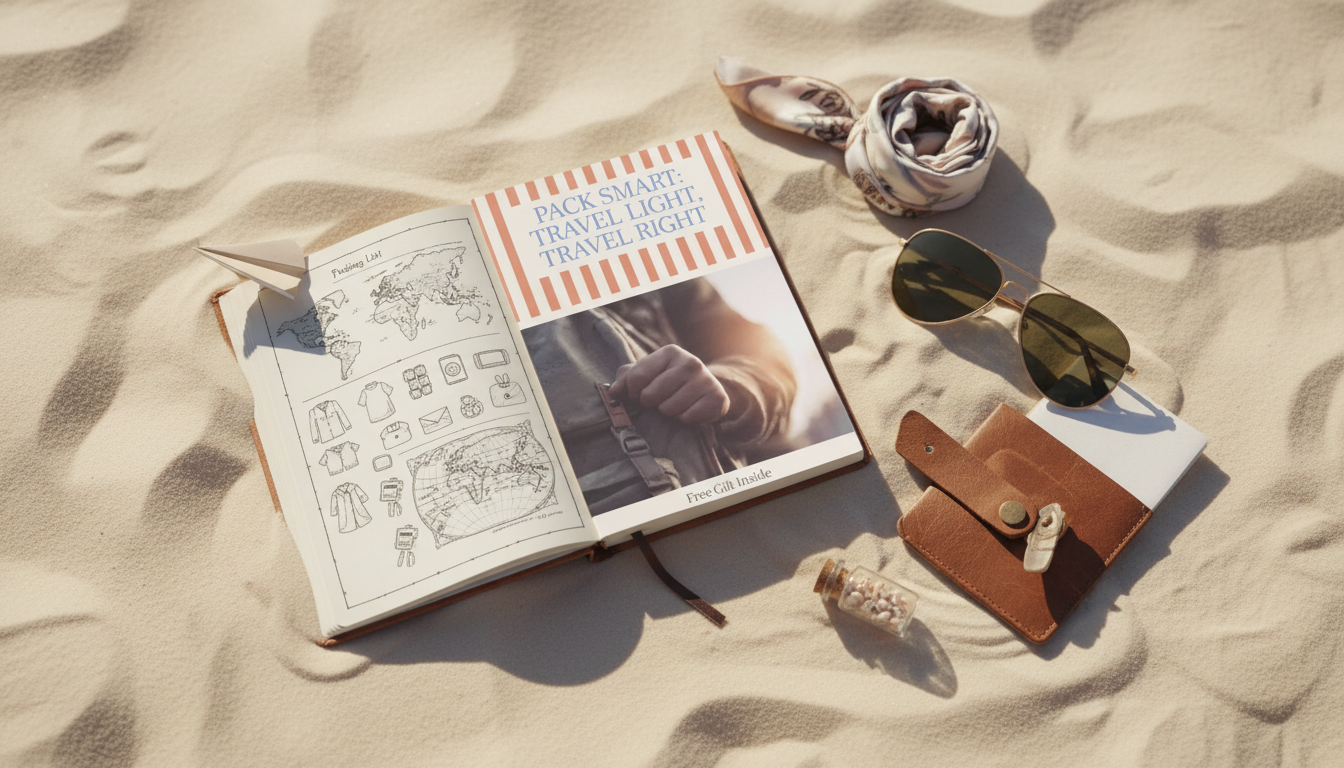
Pack Smart: Travel Light, Travel Right — Choosing the Right Travel Backpack and Packing Like a Minimalist
Travel feels easier when the backpack fits the trip, the body, and the way packing actually happens. The goal isn’t to squeeze everything into a smaller bag—it’s to choose a pack that stays comfortable, meets common airline limits, and supports a simple system where fewer items do more work and every pocket has a purpose.
Start with the trip: duration, climate, and how often you’ll move
Before comparing brands or features, map the reality of the itinerary. A two-night city weekend, a weeklong multi-stop route, and a month of travel with weekly laundry all demand different capacity and access.
- Match capacity to the itinerary: short trips can run lean; longer travel can still stay compact if laundry is planned.
- Factor climate swings and dress codes: cold-weather layers eat volume fast, while warm climates reward smaller bags and faster drying fabrics.
- Decide how mobile the trip is: frequent train/bus hops favor a single carry-on backpack; one-base stays can tolerate a slightly larger setup.
- List non-negotiables: laptop size, camera kit, medical items, or work shoes should be written down before choosing liters and compartments.
Backpack size and carry-on reality: liters, dimensions, and weight
Capacity (liters) is a useful starting point, but airline rules care about dimensions and weight. A bag that’s “40L” can still fail a sizer if it’s overstuffed or has bulky pockets and a rigid frame sheet.
- Typical ranges: ~20–30L for minimalist weekends, ~30–40L for most carry-on travel, ~40–50L only when limits allow.
- Check cabin rules for your routes: size limits vary and can change; use airline measurements as the final filter.
- Plan for weight: a lighter bag gives more allowance for essentials without crossing weight thresholds.
- Choose an access style: clamshell opens like a suitcase for fast access; top-loaders stay simple and compress well.
Quick backpack size guide (typical use cases)
| Capacity range | Best for | Typical packing approach | Watch-outs |
|---|---|---|---|
| 20–30L | 2–4 days, warm weather, personal-item style travel | 1–2 outfits + minimal toiletries, compact layers | Limited shoe space; tight for bulky jackets |
| 30–40L | Most carry-on trips, multi-city, laptop + day outings | Capsule wardrobe, packing cubes, one extra pair of shoes | Overpacking can exceed carry-on dimensions/weight |
| 40–50L | Cold climates, specialized gear, longer trips with fewer laundry options | More layers, roomier toiletries/tech, possibly extra shoes | Often too large for strict carry-on limits when full |
Fit and comfort: the parts that prevent shoulder and back fatigue
A well-fitting backpack makes minimalist travel sustainable—because when the load carries well, it’s easier to keep it small and consistent.
- Measure torso length: sizing by torso matters more than brand name. Use a fit guide like REI’s torso sizing basics for a reliable starting point: https://www.rei.com/learn/expert-advice/backpack.html.
- Hip belt support: if you’re carrying heavier loads, hips should take the weight, not shoulders.
- Adjustable straps: a sternum strap stabilizes; shoulder straps should contour without pinching.
- Ventilation: back panels that manage airflow help on long walking days, especially in heat.
- Frame sheet + load lifters: keeps weight close to the spine and reduces sway in crowded transit.
Organization that supports minimalist packing (without creating clutter)
More pockets don’t always mean better organization. Micro-compartments often invite “might need it” extras. A minimalist-friendly pack uses a few useful zones that match real habits.
- Pick a layout that fits your routine: clamshell for folder-style packing and quick checks; a simple cavity works great with cubes.
- Favor a few high-impact pockets: an admin pocket, a quick-access top pocket, and a main compartment beat seven tiny sleeves.
- Daily usability: external bottle pocket(s) and one secure valuables pocket help without adding bulk.
- Compression straps: shrink the bag’s footprint and keep the center of gravity stable.
- Laptop carry: a suspended laptop sleeve, positioned close to the back panel, improves comfort and protection.
Materials and durability: what matters for real travel wear
Airport conveyors, bus undercarriages, and hostel floors are rough on gear. Durability is less about “indestructible” and more about smart failure-point protection.
A simple packing system: fewer items, better combinations
If you want a structured, step-by-step approach that’s easy to reuse for different trips, consider the Pack Smart: Travel Light, Travel Right eBook (digital download) for a printable system and quick decision guides.
For the “nice option” in a capsule, a single elevated top can cover dinners and meetings without adding much bulk—something like the Jil Sander Short Sleeve V-Neck Shirt can serve as that one higher-polish piece.
Security and transit practicality: airports, trains, and daily carry
For carry-on rules and screening basics, it helps to reference official guidance such as the TSA liquids rule: https://www.tsa.gov/travel/security-screening/liquids-rule and general cabin baggage guidance from IATA: https://www.iata.org/en/programs/passenger/cabin-baggage/.
Put it all together: a step-by-step checklist before buying
FAQ
What backpack size works for carry-on travel?
For most travelers, 30–40L is the sweet spot, but dimensions and weight matter as much as liters. A “carry-on” backpack can become oversized when overstuffed, so plan to leave compression room.
Is a clamshell backpack better than a top-loader for travel?
Clamshell bags make it easier to pack like a suitcase and access items quickly during transit. Top-loaders are simpler and compress well, making them a strong choice when you won’t be opening the bag frequently.
How can packing lighter still cover different outfits and weather?
Use a capsule wardrobe with neutral, mix-and-match pieces, rely on layering (base, midlayer, outer layer), and plan simple laundry. A practical set is 2–3 tops, 1–2 bottoms, a midlayer, an outer layer, and one nicer option.










Leave a comment