-
Shop
- Adidas
- Advanced Technologies
- AI Skills Mastery 2026 Collection
- Astrology & Tarot Products
- Beauty
- Beauty Guides Collection
- Best-Sellers
- Car Accessories
- Confidence
- Dating & Social Skills
- Digital Resources
- AI & Technology
- AI Skills
- Budgeting & Saving
- Car Buying & Ownership
- Cozy Feast Collection
- Electronics & Technology
- Emotional Intelligence
- Entrepreneurship & Business Growth
- Financial Education
- Financial Independence
- Financial Mindset & Psychology
- Goal Setting
- Hobbies
- Home Styling & Organization
- Kitchen & Recipes
- Leadership
- Mindfulness
- Mindset
- Motivation
- Online Business
- Parenting & Child Development
- Pet Lifestyle & Wellness
- Positive Thinking
- Productivity
- Self Confidence
- Sleep Improvement
- Smart Life with AI
- Stress Management & Relaxation
- Travel Planning
- Yoga & Fitness
- Yoga & Mind-Body Practices
- Education & Learning
- Family & Parenting
- Fashion
- Alexander McQueen
- Bags
- Bags & Wallets
- Balenciaga
- Belts
- Blazers
- Bottega Veneta
- Brunello Cucinelli
- Burberry
- Chanel
- Chloé
- Dior
- Dolce & Gabbana
- Dresses
- Etro
- Fendi
- Gucci
- Hats & Hair Accessories
- Hoodies & Sweatshirts
- Jacquemus
- Jil Sander
- Keychains
- Kiton
- Luggage
- Miu Miu
- Off-White
- Outerwear
- Prada
- Rick Owens
- Saint Laurent
- Shoes
- Socks & Tights
- Sweaters & Cardigans
- The Row
- Tom Ford
- Tops & Shirts
- Valentino
- Valentino Garavani
- Versace
- Vivienne Westwood
- Watches
- Fashion Accessories
- Furniture
- Gadgets
- Health & Beauty
- Health & Wellness
- Home & Garden
- Home Supplies
- Jewelry
- Kids & Babies
- Kitchen
- Kitchen Best-Sellers
- Nike
- Patio, Lawn & Garden
- Personal Growth
- Personal Style & Fashion
- Pet Care
- Pet Supplies
- Pets
- Smart Home Living Guides
- Sport & Outdoors
- Stress Relief & Relaxation
- Super Deals
- TikTok Growth & Monetization Mastery
- Travel
- Travel & Adventure
- Wealth
- Wellness
- Popular
- Best deals
Lower Power Bills Checklist: Fast Home Energy Fixes
Why a Checklist Beats Guesswork
Power bills usually rise for a handful of predictable reasons: heating and cooling losses, inefficient lighting, always-on electronics, and small daily habits that add up. A simple checklist makes it easier to spot the biggest opportunities, prioritize quick wins, and track progress month to month without overhauling an entire home at once. The goal isn’t perfection—it’s consistent improvements that reduce wasted kilowatt-hours (kWh) while keeping comfort steady.
Start With a 15-Minute Bill and Home Snapshot
Before changing anything, grab a quick baseline. Ten to fifteen minutes of “what’s happening now” will make every next step clearer.
- Gather the last 2–3 electricity bills and note: total kWh, total cost, and any time-of-use or demand charges.
- Identify seasonal patterns (summer cooling, winter heating, holiday lighting) so upgrades happen before your peak months.
- Walk through the home and list major electricity users: HVAC, water heater, dryer, oven, gaming PCs, dehumidifiers, pool pumps, space heaters.
- Set a realistic target (for example, reduce monthly kWh by 5–15%) and choose one area to tackle first.
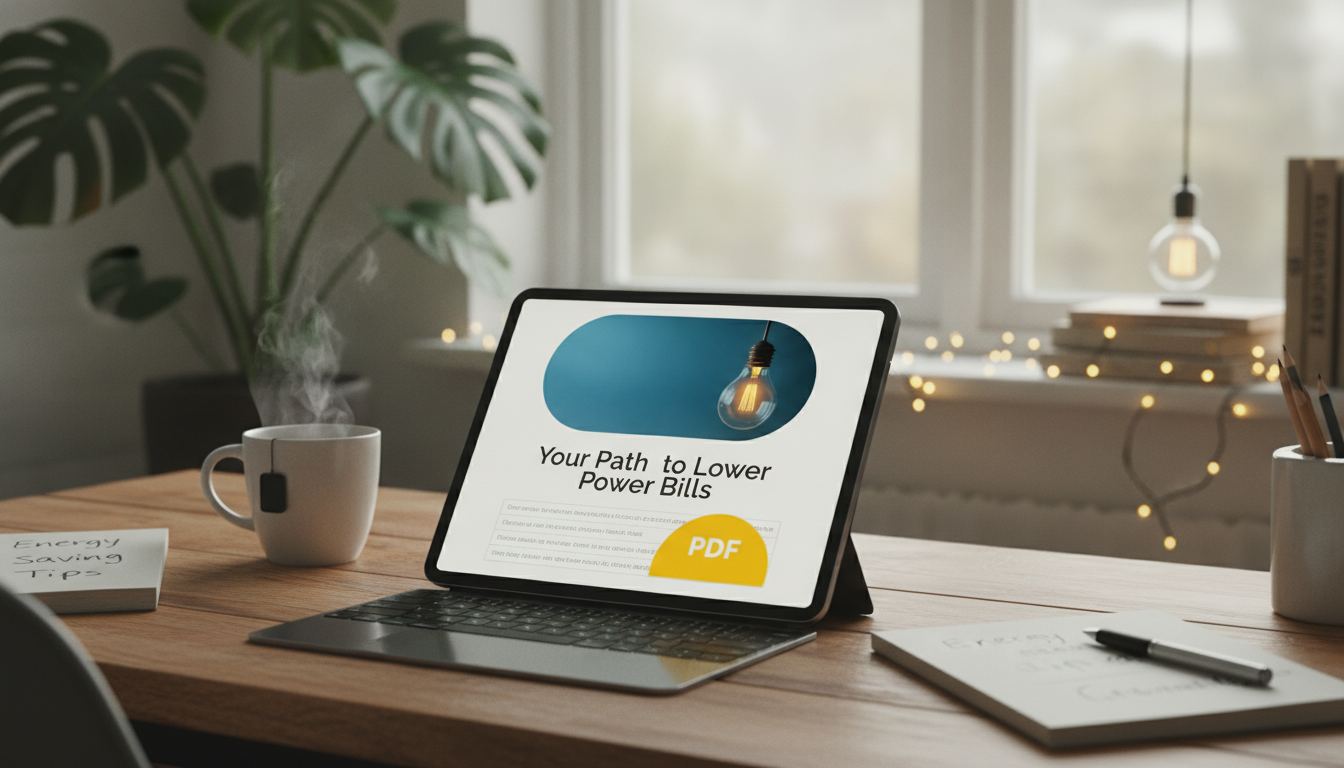
If you want a ready-to-print tracker that keeps all of this on one page, see Checklist: Your Path to Lower Power Bills – Practical Guide to Save on Energy Costs.
Fast Wins That Cost Little or Nothing
These changes are ideal when you want results without shopping for new appliances. Aim to complete two or three actions today, then add one new habit each week.
- Set thermostat schedules: small temperature adjustments during sleep and away hours often produce steady savings.
- Switch off idle loads: unplug seldom-used devices or connect them to a switched power strip.
- Wash clothes in cold water when possible and run full loads; air-dry when practical.
- Lower screen brightness and enable sleep modes on computers, consoles, and TVs.
- Use microwave/air fryer/toaster oven for small meals to reduce oven runtime.
Quick actions to do today
| Action | Time | Cost | What to check afterward |
|---|---|---|---|
| Set thermostat schedule (sleep/away) | 5–10 min | $0 | Compare next bill’s kWh; note comfort changes |
| Turn off/strip always-on devices | 10–15 min | $0–$20 | Measure with a plug-in meter if available |
| Cold-water laundry + full loads | Immediate | $0 | Track hot water use and dryer runtime |
| Enable device sleep/eco modes | 5–10 min | $0 | Look for reduced standby warmth/noise |
| Replace most-used bulbs first (LED) | 15–30 min | $10–$40 | Check brightness and room coverage |
Heating and Cooling: The Biggest Levers
In many homes, HVAC is the largest driver of electricity use. The best savings come from reducing runtime—without making the house uncomfortable.
- Replace or clean HVAC filters on schedule; clogged filters raise energy use and reduce comfort.
- Seal drafts around doors/windows with weatherstripping; add door sweeps where light shows under doors.
- Use curtains/blinds strategically: block sun on hot days, let sun in during cold sunny hours.
- Check vents and returns for blockage (furniture, rugs) to avoid longer HVAC runtimes.
- Consider a professional tune-up before peak seasons to verify refrigerant levels, airflow, and system health.
For a deeper home-energy overview and no-nonsense efficiency tips, the U.S. Department of Energy’s Energy Saver hub is a solid reference.
Water Heating and Laundry: Quiet Energy Drains
Water heating often hides in plain sight because it doesn’t “feel” like electricity use—until you add up showers, laundry, dishes, and standby tank losses.
- Lower water heater temperature to a safe, efficient setting (often around 120°F/49°C, unless local needs differ).
- Fix hot water leaks and dripping taps; they waste both water and the energy used to heat it.
- Insulate accessible hot water pipes and consider an insulating blanket for older tank heaters (follow manufacturer guidance).
- Reduce dryer time: clean lint filter every load, clean venting regularly, and avoid over-drying with timed cycles.
- Run dishwashers on eco modes and air-dry settings when possible.
Small laundry tweaks can be surprisingly visible on the next bill, especially in larger households where hot water and dryer cycles run frequently.
Lighting and Electronics: Cut the Always-On Habit
If lighting is part of a broader refresh, upgrading fixtures can help you get the brightness you want with fewer bulbs and less wasted light. For a decorative option, consider Luxury Retro French Romantic Copper Crystal Wall Lamp for spaces where you’d rather rely on targeted, warm task lighting than over-lighting the entire room.
For practical, room-by-room guidance on efficient lighting and devices, ENERGY STAR’s Save Energy at Home is another trustworthy resource.
Timing, Rates, and Utility Programs
Put It All Together With a Printable Checklist
To make it easy to start (and to stay consistent), use Checklist: Your Path to Lower Power Bills – Practical Guide to Save on Energy Costs as a reusable monthly tracker—especially helpful if multiple people in the household share responsibility for thermostat settings, laundry, and device habits.
FAQ
What are the fastest ways to lower an electric bill without buying new appliances?
Set a thermostat schedule for sleep and away hours, cut standby power with switched or advanced power strips, use cold-water laundry when possible, and shorten dryer cycles. Target the lights you use most and switch them to LEDs first for quick, reliable savings.
How much can small thermostat changes really save?
Savings depend on climate, insulation, and HVAC efficiency, but consistent setbacks during sleep and away hours typically reduce runtime over the season. Even a small adjustment that stays in place every day can produce a noticeable kWh drop on the next few bills.
Is it worth doing an energy audit?
Often yes—especially in older homes or if some rooms are hard to keep comfortable. Audits can pinpoint insulation gaps, duct leakage, and hidden airflow issues so upgrades are prioritized where they’ll matter most.
Recommended for you



Couples Budgeting Checklist for Stress-Free Saving
Jun 10, 2026













Leave a comment