-
Shop
- Adidas
- Advanced Technologies
- AI Skills Mastery 2026 Collection
- Astrology & Tarot Products
- Beauty
- Beauty Guides Collection
- Best-Sellers
- Car Accessories
- Confidence
- Dating & Social Skills
- Digital Resources
- AI & Technology
- AI Skills
- Budgeting & Saving
- Car Buying & Ownership
- Cozy Feast Collection
- Electronics & Technology
- Emotional Intelligence
- Entrepreneurship & Business Growth
- Financial Education
- Financial Independence
- Financial Mindset & Psychology
- Goal Setting
- Hobbies
- Home Styling & Organization
- Kitchen & Recipes
- Leadership
- Mindfulness
- Mindset
- Motivation
- Online Business
- Parenting & Child Development
- Pet Lifestyle & Wellness
- Positive Thinking
- Productivity
- Self Confidence
- Sleep Improvement
- Smart Life with AI
- Stress Management & Relaxation
- Travel Planning
- Yoga & Fitness
- Yoga & Mind-Body Practices
- Education & Learning
- Family & Parenting
- Fashion
- Alexander McQueen
- Bags
- Bags & Wallets
- Balenciaga
- Belts
- Blazers
- Bottega Veneta
- Brunello Cucinelli
- Burberry
- Chanel
- Chloé
- Dior
- Dolce & Gabbana
- Dresses
- Etro
- Fendi
- Gucci
- Hats & Hair Accessories
- Hoodies & Sweatshirts
- Jacquemus
- Jil Sander
- Keychains
- Kiton
- Luggage
- Miu Miu
- Off-White
- Outerwear
- Prada
- Rick Owens
- Saint Laurent
- Shoes
- Socks & Tights
- Sweaters & Cardigans
- The Row
- Tom Ford
- Tops & Shirts
- Valentino
- Valentino Garavani
- Versace
- Vivienne Westwood
- Watches
- Fashion Accessories
- Furniture
- Gadgets
- Health & Beauty
- Health & Wellness
- Home & Garden
- Home Supplies
- Jewelry
- Kids & Babies
- Kitchen
- Kitchen Best-Sellers
- Nike
- Patio, Lawn & Garden
- Personal Growth
- Personal Style & Fashion
- Pet Care
- Pet Supplies
- Pets
- Smart Home Living Guides
- Sport & Outdoors
- Stress Relief & Relaxation
- Super Deals
- TikTok Growth & Monetization Mastery
- Travel
- Travel & Adventure
- Wealth
- Wellness
- Popular
- Best deals
Interview Outfit Guide: Dress to Impress With Confidence
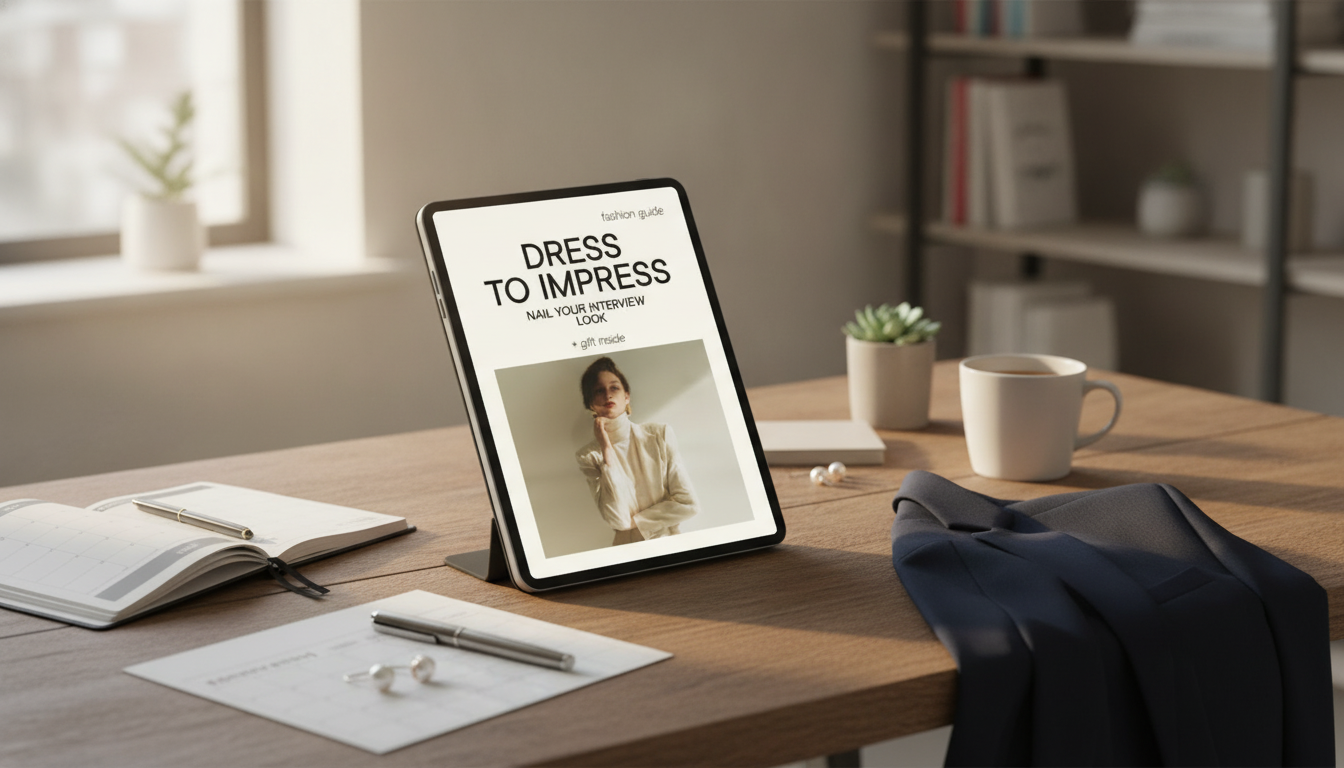
Dress to Impress: Nail Your Interview Look
Interview outfits should make competence feel effortless: polished, comfortable, and aligned with the role and workplace culture. A strong look isn’t about chasing trends—it’s about removing distractions so the conversation stays on your skills. Below is a practical way to decide what to wear (and what to avoid), build a reliable outfit plan quickly, and show up with calm, career-ready confidence for in-person, video, or last-minute interviews.
Start With the Role, Not the Closet
The best interview outfit is the one that matches the job’s reality. Start by identifying the level and function: entry-level vs. leadership; client-facing vs. internal; technical vs. creative; operations vs. strategy. Each comes with different expectations for structure, formality, and how “quiet” your outfit should be.
Next, check the company’s public-facing visuals—team photos, event posts, and leadership headshots—to read the room. You’re looking for signals: Are people in blazers or knit polos? Are colors mostly neutral or more expressive? Is the overall vibe classic, minimal, or playful?
When unsure, go one step more polished than the everyday dress code. “More polished” means better fit, cleaner lines, and sharper finishing details—not dressing like you’re in costume. Industry norms help, too: finance and law usually skew formal; tech ranges from smart casual to sleek minimal; creative roles can handle more personality, but still benefit from structure.
Finally, choose a simple “message” for your outfit in one line. Examples: “reliable and detail-oriented,” “modern and strategic,” or “warm and approachable.” That one sentence will keep your choices cohesive.
The Reliable Interview Outfit Formula
A repeatable formula makes interviews faster and less stressful: a structured top + tailored bottom + clean shoes + one intentional accessory. This gives you a professional silhouette without overthinking.
- Fit and fabric: Smooth, non-clingy materials photograph well and look more refined under office lighting. Avoid anything that pulls, gaps, or wrinkles easily.
- Controlled color: Neutrals and muted tones keep the focus on your answers. If you love color, add a single accent (a blouse, scarf, or tie) that supports your personal brand.
- Secure necklines and hemlines: Choose cuts that stay put when sitting, walking, and reaching for a handshake, not ones that require constant adjusting.
- Plan for temperature swings: A lightweight blazer, cardigan, or refined jacket is an easy “polish layer” that can stay on during the interview.
Interview Outfit Formula by Setting
| Setting | Go-To Outfit | Best Colors | Avoid |
|---|---|---|---|
| Corporate / Client-facing | Blazer + blouse + tailored trousers or knee-length skirt; closed-toe pumps/loafers | Navy, charcoal, black, cream, soft blue | Overly trendy cuts, loud prints, distressed fabrics |
| Business casual office | Polished knit or button-up + tailored pants; loafers or sleek flats | Taupe, olive, navy, warm neutrals | Wrinkled linen, overly casual sneakers, sheer tops |
| Creative / Design | Structured jacket + elevated top + tailored jeans or wide-leg trousers; minimalist shoes | Black, neutral base with one accent color | Too many statement items at once, distracting accessories |
| Video interview | Solid top with structure + minimal jewelry; camera-friendly neckline | Mid-tone solids (blue, green, burgundy) | Tiny patterns, bright white glare, noisy jewelry |
Shoes, Bags, and Accessories That Read Professional
Finishing details are where “fine” turns into “confident.” Choose pieces that look intentional the moment you walk in (or log on).
- Shoes: Clean and unscuffed. Pick a stable heel or refined flat that won’t change your posture or pace. If you wouldn’t comfortably walk a few blocks in them, reconsider.
- Bags: A structured tote or sleek portfolio keeps your look calm and organized. Avoid overstuffed bags that slump or spill items when you set them down.
- Jewelry: One focal point max—watch, simple earrings, or a delicate necklace. Anything that clinks, flashes, or pulls focus can become a distraction.
- Hardware consistency: Keep metals aligned (all gold or all silver) for a cohesive finish.
- Grooming details: Neat nails, lint removed, and fabrics steamed. These small cues signal care and readiness.
Interview Outfit Mistakes That Quietly Cost Confidence
Confidence drops fast when you’re managing your outfit mid-interview. Avoid these common issues before they start.
Quick Prep Timeline: 48 Hours to Interview-Ready
Confidence Styling: Look Like Yourself on a Strong Day
For additional career-focused guidance, workplace communication and presentation research from Harvard Business Review can be a helpful companion to outfit planning, while role expectations and typical work environments can be explored via the U.S. Bureau of Labor Statistics Occupational Outlook Handbook.
Interview Outfit Guide eBook: A Practical Digital Download
- Dress to Impress: Nail Your Interview Look – Interview Outfit Guide (Digital Download)
- Budget Style Strategy Bundle for Everyday Looks – 5-in-1 Digital Download
- Deep Autumn Wardrobe Made Easy: Deep Autumn Color Palette Clothing Guide
FAQ
What should be avoided when choosing an interview outfit?
Avoid poor fit, wrinkled fabrics, loud prints or logos, overly casual items, and uncomfortable shoes. Always do a sit/stand/walk/reach test so nothing slips, gaps, or distracts—especially on camera.
What colors are best for interview outfits?
Navy, charcoal, black, cream, and other muted tones read focused and professional. For video, mid-tone solids (like blue, green, or burgundy) tend to look best; keep accent colors to one intentional piece.
How can an outfit look professional but still feel like personal style?
Start with a neutral base, then add one personality element—an accent color, a subtle texture, or a signature accessory. Keep metal tones consistent and let fit-driven tailoring do most of the “style” work.








Leave a comment