-
Shop
- Adidas
- Advanced Technologies
- AI Skills Mastery 2026 Collection
- Astrology & Tarot Products
- Beauty
- Beauty Guides Collection
- Best-Sellers
- Car Accessories
- Confidence
- Dating & Social Skills
- Digital Resources
- AI & Technology
- AI Skills
- Budgeting & Saving
- Car Buying & Ownership
- Cozy Feast Collection
- Electronics & Technology
- Emotional Intelligence
- Entrepreneurship & Business Growth
- Financial Education
- Financial Independence
- Financial Mindset & Psychology
- Goal Setting
- Hobbies
- Home Styling & Organization
- Kitchen & Recipes
- Leadership
- Mindfulness
- Mindset
- Motivation
- Online Business
- Parenting & Child Development
- Pet Lifestyle & Wellness
- Positive Thinking
- Productivity
- Self Confidence
- Sleep Improvement
- Smart Life with AI
- Stress Management & Relaxation
- Travel Planning
- Yoga & Fitness
- Yoga & Mind-Body Practices
- Education & Learning
- Family & Parenting
- Fashion
- Alexander McQueen
- Bags
- Bags & Wallets
- Balenciaga
- Belts
- Blazers
- Bottega Veneta
- Brunello Cucinelli
- Burberry
- Chanel
- Chloé
- Dior
- Dolce & Gabbana
- Dresses
- Etro
- Fendi
- Gucci
- Hats & Hair Accessories
- Hoodies & Sweatshirts
- Jacquemus
- Jil Sander
- Keychains
- Kiton
- Luggage
- Miu Miu
- Off-White
- Outerwear
- Prada
- Rick Owens
- Saint Laurent
- Shoes
- Socks & Tights
- Sweaters & Cardigans
- The Row
- Tom Ford
- Tops & Shirts
- Valentino
- Valentino Garavani
- Versace
- Vivienne Westwood
- Watches
- Fashion Accessories
- Furniture
- Gadgets
- Health & Beauty
- Health & Wellness
- Home & Garden
- Home Supplies
- Jewelry
- Kids & Babies
- Kitchen
- Kitchen Best-Sellers
- Nike
- Patio, Lawn & Garden
- Personal Growth
- Personal Style & Fashion
- Pet Care
- Pet Supplies
- Pets
- Smart Home Living Guides
- Sport & Outdoors
- Stress Relief & Relaxation
- Super Deals
- TikTok Growth & Monetization Mastery
- Travel
- Travel & Adventure
- Wealth
- Wellness
- Popular
- Best deals
How to Value Your Car Like a Pro: Sell or Trade
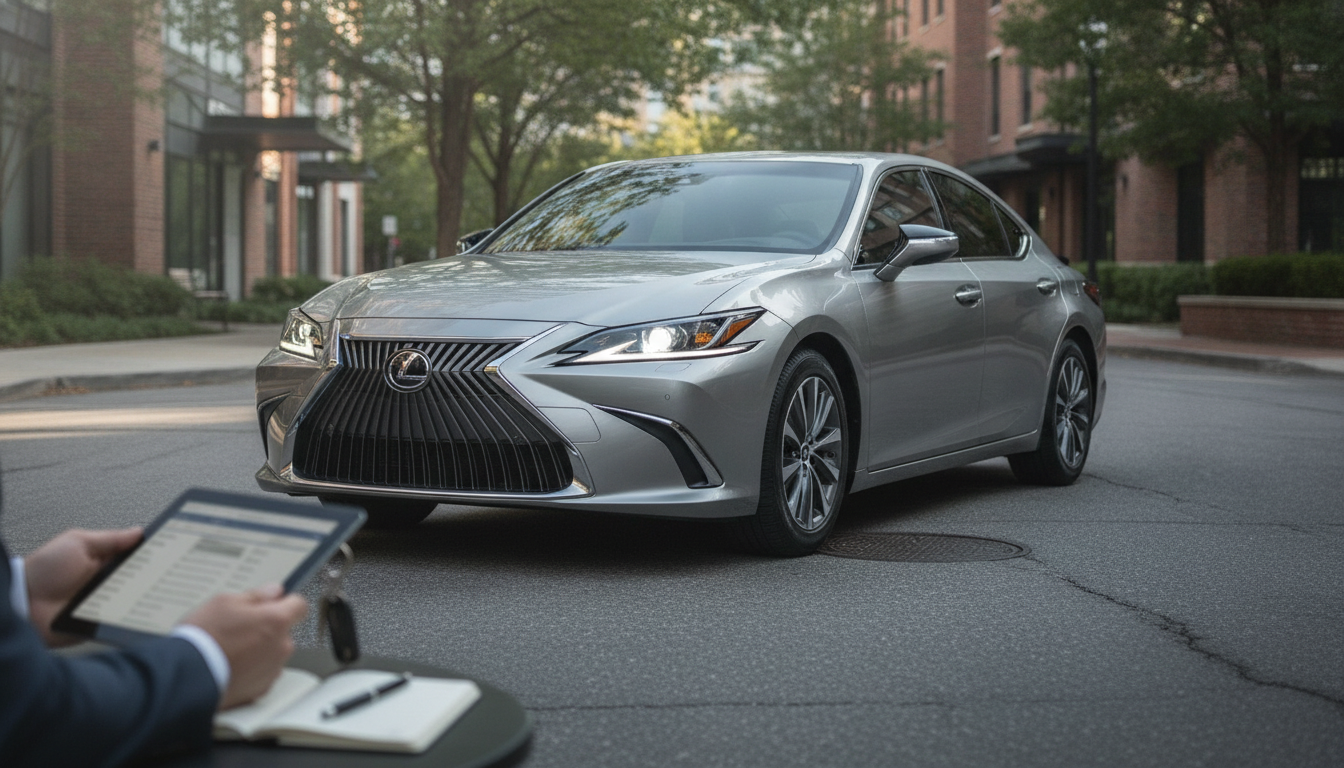
Value Your Car Like a Pro Before Selling or Trading
A solid car value estimate comes from combining real market data with an honest condition review and a plan for how the vehicle will be sold. The goal isn’t to “pick a number” and hope—it’s to build a defensible range you can explain to a buyer or a dealer. Follow the steps below to tighten your estimate, avoid common appraisal surprises, and negotiate from a position that matches your car’s true place in today’s market. For more guidance, see NADA: Consumer Vehicle Values.
Start with the Exact Vehicle Profile
Before looking at any pricing tool, lock down the vehicle details that change value the most. For further reading, see Car Value Estimator | Trade In & Market Value – Consumer Reports.
- Confirm VIN, year, make, model, trim, drivetrain, engine, transmission, and body style. A single trim jump (or AWD vs. FWD) can swing value more than many owners expect.
- Record the current odometer and decide whether the mileage is typical, low, or high for the model year.
- List factory options (packages, safety tech, premium audio, tow package) and note major modifications. Many mods don’t raise resale value and can narrow your buyer pool.
- Gather ownership details buyers and dealers verify: title status, lien/payoff info, number of keys, manuals, and original accessories (cargo cover, floor mats, spare tire tools).
Choose the Right Value Type for the Situation
“What’s it worth?” depends on how you plan to sell. Start by matching your estimate to the right value type, then compare apples to apples.
| Value type | Best for | What it includes | Typical outcome |
|---|---|---|---|
| Private-party | Selling directly to a buyer | Market demand + condition, minimal overhead | Higher price, more work |
| Trade-in | Buying another car at a dealership | Dealer margin + reconditioning + wholesale risk | Lower price, fastest path |
| Retail/listing | Benchmarking dealer pricing | Dealer reconditioning + warranty/marketing | Upper bound reference |
| Instant-cash offer | Quick sale or floor for negotiations | Algorithmic estimate + inspection adjustment | Convenient baseline |
Pull Real Market Data (Not Just One Number)
Strong valuations come from ranges and patterns, not a single “magic” number. Use multiple sources and compare what they agree on.
- Check at least two pricing tools and compare their ranges rather than fixating on one figure. Good starting points include Kelley Blue Book (KBB) and NADA Guides by J.D. Power.
- Search local comparable listings: same trim, similar mileage, and similar condition within a reasonable drive. If you can see “days on market,” longer times can signal that pricing is optimistic.
- Account for location effects. AWD tends to pull stronger in snow states; convertibles often do better in warm climates. Local emissions requirements and common fees also influence what buyers will tolerate.
- Look for “closed sale” clues when possible: completed listings, dealer price drops, and auction trend summaries. These help reveal what people actually pay, not what sellers hope to get.
Grade Condition Like an Appraiser
Condition is where owners most often overestimate value. A dealer appraisal is largely a reconditioning math exercise, and private buyers react to the same visible cues.
- Exterior: paint quality, dents, rust, windshield chips, tire tread depth, wheel rash, and light lens clarity.
- Interior: odors, stains, worn seat bolsters, sticky buttons, screen issues, and warning lights on the dash.
- Mechanical: cold start behavior, shift quality, braking feel, suspension noise, and complete maintenance history.
- Undercarriage: leaks, corrosion, and signs of prior collision repair.
- Consistency matters: “Excellent” should be rare. Most daily-driven cars honestly land in “good” or “fair” depending on wear.
Adjust for Mileage, Options, and History
After you establish a baseline range, refine it with factors buyers repeatedly pay attention to.
- Mileage: Compare your odometer to the model-year average. Big deviations matter far more than small differences.
- Options: Prioritize features that broaden demand—advanced safety packages, AWD, premium trims, and widely valued infotainment upgrades. Niche options may add little.
- Accident history: A clean title with documented, high-quality repairs can still sell, but many shoppers hesitate. Pricing should reflect that hesitation.
- Ownership and use: Fleet/rental history, frequent owner changes, or maintenance gaps often reduce confidence and lower offers.
If you haven’t pulled a history report recently, verifying what a buyer will see can prevent awkward surprises. A CARFAX Vehicle History Report is one common reference point.
Estimate Reconditioning Deductions Before the Dealer Does
Build a Pricing Range and Set Your Walk-Away Number
Negotiation Tactics for Selling vs Trading
Quick Prep That Often Pays Back
Helpful Resources You Can Use Right Away
- How to Value Your Car Like a Pro Before Selling or Trading – Ultimate Guide to Car Valuation for Sale or Trade-In
- Deep Autumn Wardrobe Made Easy: Your Ultimate Guide to Deep Autumn Color Palette Clothing
FAQ
Is it better to trade in a car or sell it privately?
Private sales usually bring more money, but they take time and require screening buyers, handling test drives, and managing paperwork. Trade-ins are faster and simpler, but offers are typically lower because dealers price in reconditioning costs and margin. Comparing multiple appraisals helps you decide which path fits your timeline and bottom line.
How can a car’s value change after an in-person appraisal?
In-person appraisals often reveal condition details that weren’t captured online—paintwork, tire/brake wear, warning lights, title issues, or signs of prior repairs. Appraisers may also adjust for local demand shifts since the original estimate. Documenting condition and getting a pre-sale inspection can reduce surprises.
Do modifications increase resale value?
Most modifications don’t increase resale value for mainstream buyers, and some can reduce it if they suggest hard use or complicate financing and insurance. The exceptions tend to be high-demand OEM options or professional, reversible upgrades with documentation. Pricing is usually strongest when based on comparable stock vehicles, treating mods as personal preference.
Recommended for you


Balenciaga Monochrome Wide-Leg Monogram Pants Guide
Jun 16, 2026













Leave a comment