-
Shop
- Adidas
- Advanced Technologies
- AI Skills Mastery 2026 Collection
- Astrology & Tarot Products
- Beauty
- Beauty Guides Collection
- Best-Sellers
- Car Accessories
- Confidence
- Dating & Social Skills
- Digital Resources
- AI & Technology
- AI Skills
- Budgeting & Saving
- Car Buying & Ownership
- Cozy Feast Collection
- Electronics & Technology
- Emotional Intelligence
- Entrepreneurship & Business Growth
- Financial Education
- Financial Independence
- Financial Mindset & Psychology
- Goal Setting
- Hobbies
- Home Styling & Organization
- Kitchen & Recipes
- Leadership
- Mindfulness
- Mindset
- Motivation
- Online Business
- Parenting & Child Development
- Pet Lifestyle & Wellness
- Positive Thinking
- Productivity
- Self Confidence
- Sleep Improvement
- Smart Life with AI
- Stress Management & Relaxation
- Travel Planning
- Yoga & Fitness
- Yoga & Mind-Body Practices
- Education & Learning
- Family & Parenting
- Fashion
- Alexander McQueen
- Bags
- Bags & Wallets
- Balenciaga
- Belts
- Blazers
- Bottega Veneta
- Brunello Cucinelli
- Burberry
- Chanel
- Chloé
- Dior
- Dolce & Gabbana
- Dresses
- Etro
- Fendi
- Gucci
- Hats & Hair Accessories
- Hoodies & Sweatshirts
- Jacquemus
- Jil Sander
- Keychains
- Kiton
- Luggage
- Miu Miu
- Off-White
- Outerwear
- Prada
- Rick Owens
- Saint Laurent
- Shoes
- Socks & Tights
- Sweaters & Cardigans
- The Row
- Tom Ford
- Tops & Shirts
- Valentino
- Valentino Garavani
- Versace
- Vivienne Westwood
- Watches
- Fashion Accessories
- Furniture
- Gadgets
- Health & Beauty
- Health & Wellness
- Home & Garden
- Home Supplies
- Jewelry
- Kids & Babies
- Kitchen
- Kitchen Best-Sellers
- Nike
- Patio, Lawn & Garden
- Personal Growth
- Personal Style & Fashion
- Pet Care
- Pet Supplies
- Pets
- Smart Home Living Guides
- Sport & Outdoors
- Stress Relief & Relaxation
- Super Deals
- TikTok Growth & Monetization Mastery
- Travel
- Travel & Adventure
- Wealth
- Wellness
- Popular
- Best deals
Help Kids Focus on Homework: Calm Study Habits at Home
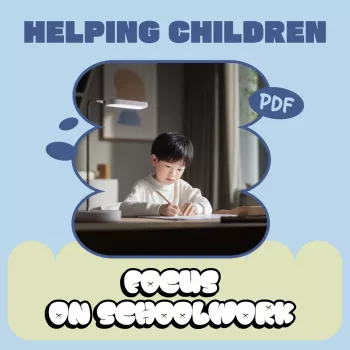
Helping Children Focus on Schoolwork: A Practical Parent Guide for Calm, Consistent Study Habits at Home
Focus isn’t a trait a child either has or doesn’t have—it’s a skill shaped by environment, routines, and the way tasks are presented. When schoolwork turns into daily friction, the goal isn’t to “win” homework time; it’s to reduce distractions, lower stress, and make starting (and finishing) feel doable. The steps below help you build a home setup that supports attention, motivation, and follow-through without turning every afternoon into a debate.
Start with the “why”: what’s really blocking focus?
Before changing rules or adding consequences, check what’s getting in the way of attention. Common culprits include being overtired, hungry, overwhelmed, anxious, or stuck on unclear directions. A “screen hangover” (difficulty shifting from fast-paced digital input to slower school tasks) can also look like poor focus.
It also helps to separate “won’t” from “can’t yet.” Refusal often signals frustration, low confidence, perfectionism, or not understanding what to do first—rather than defiance. Watch for patterns: Is it always right after school? Only with writing? Only at the kitchen table? Those clues tell you what to adjust.
Try a quick reset script that keeps the tone calm and practical:
- “What’s the first small step?”
- “What part feels confusing?”
- “What do you need to start?”
If focus problems are persistent across settings (home, school, sports) or paired with sleep issues, big mood swings, or ongoing anxiety, loop in the teacher and consider discussing attention, stress, or learning differences with a pediatric professional. Sleep is a major foundation—use the CDC’s age-based guidance as a reference: CDC: How Much Sleep Do I Need?.
Set up a distraction-light study space (without making it sterile)
A “perfect” workspace isn’t required. A consistent workspace is. Using the same study spot reduces decision fatigue and lowers the internal resistance that comes from constantly resetting expectations.
If the space tends to “re-clutter” fast, a simple reset list can help everyone stay consistent. The Kids’ Room Declutter Checklist (Printable) can be used to create quick zones (desk, backpack landing spot, supply bin) so school materials stop migrating all over the house.
Build a calm after-school rhythm that makes studying predictable
Sample weekday learning routine (adjust by age and workload)
| Time | Activity | Purpose | Parent role |
|---|---|---|---|
| After school (20–40 min) | Snack + movement + brief chat | Regulate energy and emotions | Keep it light; avoid homework talk at first |
| Work Block 1 (10–25 min) | Hardest subject first | Use best attention window | Sit nearby; help clarify instructions |
| Break (5–10 min) | Water, stretch, short walk | Prevent fatigue and irritability | No screens if they derail return-to-task |
| Work Block 2 (10–25 min) | Finish remaining tasks | Sustain momentum | Praise effort and strategy, not speed |
| Wrap-up (5 min) | Pack bag + set out materials | Reduce next-day friction | Confirm what’s done and what’s next |
Turn big assignments into “next tiny steps”
Use time tools that support attention (not pressure)
Motivation that lasts: connection, autonomy, competence
When focus still falls apart: troubleshooting by scenario
- If your child zones out: shorten blocks, add movement before work, reduce visual clutter, and confirm they understand the directions.
- If your child argues or melts down: pause for regulation first (water, breathing, brief walk), then restart with a tiny step.
- If your child rushes and makes careless mistakes: add a 2-minute review routine—check name, redo one problem, scan for skipped items.
- If screens derail homework: keep phones charging outside the study area, use app limits, and place screen time after work blocks rather than between them. The American Academy of Pediatrics has practical tools for family media plans: AAP: Media and Children Communication Toolkit.
- If the workload is truly too heavy: contact the teacher to clarify priorities or ask about accommodations or a reduced set for practice-based tasks.
Stress can also look like avoidance, shutdown, or irritability. If your child seems consistently on edge, use the APA’s overview to help you spot signs and start a supportive conversation: APA: Stress in Children.
Simple supports that pair well with home routines
- Declutter + zones: A consistent “home for school stuff” lowers daily friction. The Kids’ Room Declutter Checklist (Printable) can help you set up quick zones for supplies, papers, and backpacks.
- Repeat instructions without repeating yourself: If your child benefits from hearing directions again, a simple recorder can capture teacher instructions or your own step-by-step cues (follow school rules and permissions where required). A compact option is the Portable USB Voice Recorder & Digital Audio Sound Recorder.
FAQ
How long should homework take each night?
A flexible range works best: younger kids often do better with shorter, high-quality blocks, while older students may need more time depending on classes. If homework regularly stretches far beyond what seems reasonable even with focused sprints and breaks, check in with the teacher about expectations and priorities.
What if my child refuses to start homework?
Start with a calm reset (snack, movement, water), then offer a tiny first step that takes 2–5 minutes. A time-to-start timer and a bounded choice (“math or reading first?”) can reduce pushback without escalating into a power struggle.
Should breaks include screens?
For many kids, screens make it harder to return to work because the brain has to shift gears again. Try movement or water breaks first, and if you do use screens, keep them timed and predictable after a work block rather than as an open-ended break.














Leave a comment