-
Shop
- Adidas
- Advanced Technologies
- AI Skills Mastery 2026 Collection
- Astrology & Tarot Products
- Beauty
- Beauty Guides Collection
- Best-Sellers
- Car Accessories
- Confidence
- Dating & Social Skills
- Digital Resources
- AI & Technology
- AI Skills
- Budgeting & Saving
- Car Buying & Ownership
- Cozy Feast Collection
- Electronics & Technology
- Emotional Intelligence
- Entrepreneurship & Business Growth
- Financial Education
- Financial Independence
- Financial Mindset & Psychology
- Goal Setting
- Hobbies
- Home Styling & Organization
- Kitchen & Recipes
- Leadership
- Mindfulness
- Mindset
- Motivation
- Online Business
- Parenting & Child Development
- Pet Lifestyle & Wellness
- Positive Thinking
- Productivity
- Self Confidence
- Sleep Improvement
- Smart Life with AI
- Stress Management & Relaxation
- Travel Planning
- Yoga & Fitness
- Yoga & Mind-Body Practices
- Education & Learning
- Family & Parenting
- Fashion
- Alexander McQueen
- Bags
- Bags & Wallets
- Balenciaga
- Belts
- Blazers
- Bottega Veneta
- Brunello Cucinelli
- Burberry
- Chanel
- Chloé
- Dior
- Dolce & Gabbana
- Dresses
- Etro
- Fendi
- Gucci
- Hats & Hair Accessories
- Hoodies & Sweatshirts
- Jacquemus
- Jil Sander
- Keychains
- Kiton
- Luggage
- Miu Miu
- Off-White
- Outerwear
- Prada
- Rick Owens
- Saint Laurent
- Shoes
- Socks & Tights
- Sweaters & Cardigans
- The Row
- Tom Ford
- Tops & Shirts
- Valentino
- Valentino Garavani
- Versace
- Vivienne Westwood
- Watches
- Fashion Accessories
- Furniture
- Gadgets
- Health & Beauty
- Health & Wellness
- Home & Garden
- Home Supplies
- Jewelry
- Kids & Babies
- Kitchen
- Kitchen Best-Sellers
- Nike
- Patio, Lawn & Garden
- Personal Growth
- Personal Style & Fashion
- Pet Care
- Pet Supplies
- Pets
- Smart Home Living Guides
- Sport & Outdoors
- Stress Relief & Relaxation
- Super Deals
- TikTok Growth & Monetization Mastery
- Travel
- Travel & Adventure
- Wealth
- Wellness
- Popular
- Best deals
Heated EMS Wrist Brace: Heat + Support for Daily Relief
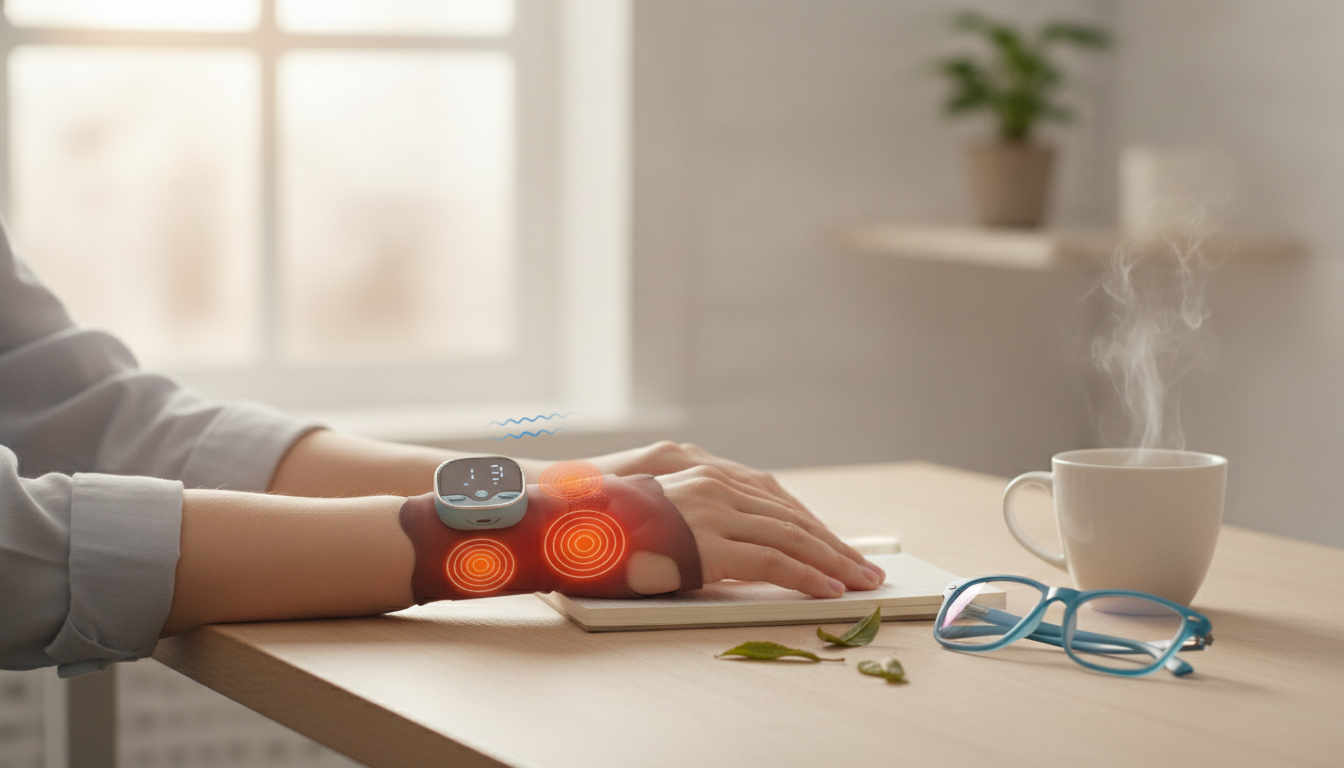
Heated Wrist Massager Brace with EMS Therapy for Carpal Tunnel and Tendon Discomfort
Wrist pain from repetitive work, overuse, or nerve irritation can make everyday tasks uncomfortable. A heated wrist massager brace that combines gentle warmth with EMS-style stimulation is designed to support the wrist while helping relax tight tissues and reduce day-to-day discomfort—especially during computer use, crafting, or recovery routines.
For anyone dealing with frequent typing, mouse use, lifting, or hobby-related strain, a wearable device that blends support, heat, and adjustable stimulation can be an easy addition to short breaks throughout the day. If symptoms are persistent or worsening, it’s also smart to reference credible health guidance like Mayo Clinic and MedlinePlus for common causes and red-flag signs.
What a Heated EMS Wrist Massager Brace Does
- Combines supportive bracing with warming therapy to help loosen stiff, tight-feeling areas around the wrist.
- Uses EMS-style electrical pulses intended to stimulate muscles and encourage relaxation (distinct from a rigid immobilizer).
- Designed for short sessions that can be repeated throughout the day as needed.
- Useful for discomfort patterns often associated with carpal tunnel irritation, tendon overuse, and general wrist fatigue.
Common Wrist Discomfort Patterns It’s Used For
- Carpal tunnel–type symptoms: tingling, numbness, or aching that can flare with typing or gripping.
- Tendon overuse discomfort: soreness around the wrist after repetitive motion (mouse use, lifting, sports, hobbies).
- Morning stiffness or end-of-day tightness after long periods of wrist positioning.
- Post-activity recovery support when the wrist feels overworked (not a replacement for medical evaluation after injury).
Heat Therapy: When Warmth Helps Most
- Warming can help relax muscles and soft tissues that feel tight or guarded.
- Often preferred for stiffness, general aches, and recovery after repetitive use.
- Typically used in short, comfortable sessions—avoid high heat on sensitive skin.
- Skip heat over areas with new swelling, acute injury, or when heat increases throbbing.
EMS Therapy: What the Stimulation May Feel Like
- A pulsing, tapping, or gentle contracting sensation that can be adjusted by intensity.
- May help reduce the feeling of tightness by encouraging muscle activity and relaxation.
- Best started at a low setting and increased gradually to a comfortable level.
- Not recommended for people with certain implanted devices or specific medical conditions without clinician guidance.
For a general overview of electrical stimulation and common safety considerations, see Cleveland Clinic’s explanation of e-stim.
Quick Comparison: Heat, EMS, and Bracing
- Heat targets stiffness and tightness; EMS targets muscle stimulation; bracing targets positioning and support.
- A combo device can be convenient for alternating sensations without switching tools.
- Comfort and fit matter as much as features—too tight can worsen symptoms.
- For severe numbness, weakness, or persistent night symptoms, evaluation is important.
How Each Feature Can Help Different Needs
| Feature | Best for | Typical session feel | When to avoid or use caution |
|---|---|---|---|
| Heat | Stiffness, tightness, general aches | Warm, soothing | Avoid on acute swelling, broken skin, reduced sensation |
| EMS-style stimulation | Muscle tension, fatigue, relaxation support | Pulsing/tapping contractions | Caution with pacemakers/implants, pregnancy, seizure disorders (ask a clinician) |
| Brace support | Reducing strain, keeping wrist more neutral | Stable, supported | Avoid overly tight compression; stop if numbness worsens |
How to Use It Comfortably (Practical Routine)
- Start small: begin with a short session (10–15 minutes) and low intensity; increase gradually over several uses.
- Stay neutral: keep the wrist in a neutral position during use; avoid bending the wrist strongly.
- Sequence by sensitivity: use warmth first for stiffness, then add EMS if desired; or alternate depending on what feels best.
- Check your skin: stop if irritation, a burning sensation, or increased tingling occurs.
- Stack simple breaks: gentle wrist circles, forearm stretches, and frequent pauses from repetitive tasks often make the device feel more effective.
Small habit adjustments can matter as much as the session itself: lighten your grip, reduce sustained bending, and change positions more often than you think you need.
When It’s Not Enough: Signs to Get Checked
- Numbness or tingling that persists, spreads, or wakes you at night repeatedly.
- Weak grip, dropping objects, or visible muscle wasting at the base of the thumb.
- Pain after a fall or injury, significant swelling, deformity, or inability to move the wrist.
- Symptoms that worsen with bracing, heat, or stimulation instead of improving.
Product Spotlight: Heated Wrist Massager Brace – EMS Therapy for Carpal Tunnel & Tendon Pain Relief
Heated Wrist Massager Brace – EMS Therapy for Carpal Tunnel & Tendon Pain Relief
Care, Fit, and Daily Habits That Support Results
Comfort rituals can also help you stick with a routine. A warm drink during a break can encourage you to fully rest your hands between tasks—pairing a short reset with a favorite mug like the Elegant 280ML Ceramic Coffee Cup with Saucer – Striped Latte & Tea Mug can make those micro-breaks feel more intentional.
For people who work long hours on screens or spend time on camera, feeling put-together without extra effort can reduce the tendency to “push through” discomfort. If you’re building a streamlined daily routine, the Budget Style Strategy Bundle for Everyday Looks – 5-in-1 Digital Download is a simple add-on that supports an organized day-to-day flow.
FAQ
Can a heated EMS wrist brace help with carpal tunnel symptoms?
Warmth and EMS-style stimulation may help manage day-to-day discomfort and tightness, while a more neutral wrist position can reduce strain during activities. It isn’t a cure, and persistent numbness or weakness should be evaluated by a clinician.
How long should a session be?
Start with 10–15 minutes at a low intensity and adjust based on comfort over a few sessions. Avoid prolonged use if your skin gets irritated or if tingling/pain increases.
Who should avoid EMS or use caution?
Common cautions include pacemakers or implanted devices, pregnancy, seizure disorders, and reduced skin sensation; a clinician can help confirm what’s safe for your situation. If stimulation feels sharp or symptoms worsen, stop and reassess.













Leave a comment