-
Shop
- Adidas
- Advanced Technologies
- AI Skills Mastery 2026 Collection
- Astrology & Tarot Products
- Beauty
- Beauty Guides Collection
- Best-Sellers
- Car Accessories
- Confidence
- Dating & Social Skills
- Digital Resources
- AI & Technology
- AI Skills
- Budgeting & Saving
- Car Buying & Ownership
- Cozy Feast Collection
- Electronics & Technology
- Emotional Intelligence
- Entrepreneurship & Business Growth
- Financial Education
- Financial Independence
- Financial Mindset & Psychology
- Goal Setting
- Hobbies
- Home Styling & Organization
- Kitchen & Recipes
- Leadership
- Mindfulness
- Mindset
- Motivation
- Online Business
- Parenting & Child Development
- Pet Lifestyle & Wellness
- Positive Thinking
- Productivity
- Self Confidence
- Sleep Improvement
- Smart Life with AI
- Stress Management & Relaxation
- Travel Planning
- Yoga & Fitness
- Yoga & Mind-Body Practices
- Education & Learning
- Family & Parenting
- Fashion
- Alexander McQueen
- Bags
- Bags & Wallets
- Balenciaga
- Belts
- Blazers
- Bottega Veneta
- Brunello Cucinelli
- Burberry
- Chanel
- Chloé
- Dior
- Dolce & Gabbana
- Dresses
- Etro
- Fendi
- Gucci
- Hats & Hair Accessories
- Hoodies & Sweatshirts
- Jacquemus
- Jil Sander
- Keychains
- Kiton
- Luggage
- Miu Miu
- Off-White
- Outerwear
- Prada
- Rick Owens
- Saint Laurent
- Shoes
- Socks & Tights
- Sweaters & Cardigans
- The Row
- Tom Ford
- Tops & Shirts
- Valentino
- Valentino Garavani
- Versace
- Vivienne Westwood
- Watches
- Fashion Accessories
- Furniture
- Gadgets
- Health & Beauty
- Health & Wellness
- Home & Garden
- Home Supplies
- Jewelry
- Kids & Babies
- Kitchen
- Kitchen Best-Sellers
- Nike
- Patio, Lawn & Garden
- Personal Growth
- Personal Style & Fashion
- Pet Care
- Pet Supplies
- Pets
- Smart Home Living Guides
- Sport & Outdoors
- Stress Relief & Relaxation
- Super Deals
- TikTok Growth & Monetization Mastery
- Travel
- Travel & Adventure
- Wealth
- Wellness
- Popular
- Best deals
Gold 304 Stainless Steel Food Tongs for Cooking & Serving
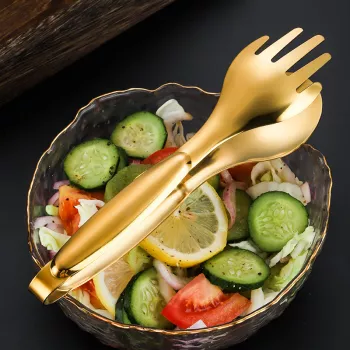
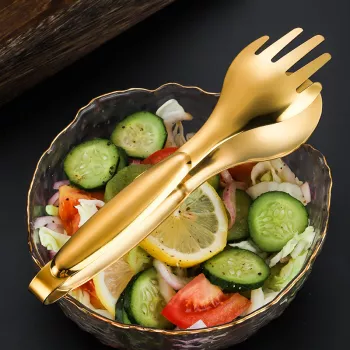
Gold 304 Stainless Steel Food Tongs for Everyday Cooking and Serving
A dependable pair of food tongs makes prep, cooking, and serving faster, cleaner, and safer—especially when handling hot pans, grill grates, and slippery foods. These gold-finish 304 stainless steel tongs are designed to be a practical grab-and-release tool for home kitchens, parties, and outdoor cooking. Whether the job is turning vegetables, lifting roasted items from a sheet pan, or neatly arranging appetizers, a sturdy set of tongs can replace several single-use utensils and help keep hands farther from heat. For more guidance, see America’s Test Kitchen equipment review: grill tongs.
What Makes These Tongs Useful in Daily Cooking
Kitchen tongs are at their best when they feel like an extension of your hand—easy to control, quick to open and close, and reliable when foods are heavy or delicate. A 304 stainless steel build supports everyday use because it’s designed to handle frequent washing and routine kitchen wear. For further reading, see Essential Cooking Equipment Your Kitchen Needs.
- 304 stainless steel construction for durability and regular kitchen use.
- Gold finish adds a polished look for serving at the table, buffet, or party tray.
- One tool, many tasks: turn, lift, portion, and plate without constantly switching utensils.
- Better distance from heat when sautéing, roasting, or grilling.
- Easy to match with common cookware and serving dishes for everyday meals and special occasions.
Common Ways to Use Stainless Steel Food Tongs
Tongs shine in those “in-between” moments—moving food from pan to plate, adjusting items mid-cook, and keeping presentation tidy. They’re also handy when foods are wet or oily and a standard fork or spoon feels less secure.
- Stovetop: turn vegetables, flip proteins, and move items between pan and plate.
- Oven: pull out roasted foods from a sheet pan or adjust items mid-roast.
- Grill: rotate kebabs, move buns, and reposition foods over hot/cool zones.
- Serving: lift pasta, toss salads, serve pastries, or arrange appetizers neatly.
- Meal prep: handle ingredients cleanly while portioning into containers.
Cooking Tasks and Why Tongs Help
| Task | What the tongs do well | Tip |
|---|---|---|
| Flipping foods in a pan | Secure grip with less splatter risk | Turn gently to avoid tearing delicate items |
| Plating and serving | Precise placement and cleaner hands | Use a light grip for softer foods |
| Grilling | Keeps hands farther from heat | Avoid squeezing too hard to prevent juices from being pressed out |
| Tossing and mixing | Lift-and-turn motion without extra utensils | Mix in batches to prevent spills |
Material and Build Notes: 304 Stainless Steel
304 stainless steel is widely used for kitchen tools because it resists corrosion and generally holds up well under frequent washing. It’s also a practical material choice for higher-heat cooking methods compared with many plastic utensils, making it a common go-to for stovetop and grill work.
As with most metal utensils, it’s smart to use care on nonstick surfaces to reduce the chance of scratching. A gentle touch can go a long way; if protecting a delicate coating is the priority, rotating in silicone or nylon tools for certain pans can help.
For general guidance on safe and clean handling of kitchen equipment, the U.S. Food & Drug Administration’s Food Code is a helpful reference point. For a broader overview of stainless steel properties and corrosion resistance, see ASM International’s materials resources.
Comfort, Control, and Clean Handling
A tong that’s comfortable to use is one you’ll reach for more often. For day-to-day cooking, the “feel” matters: it should open and close smoothly, grip confidently, and release cleanly without making you fight the tension.
- Easy repeat motion: opening/closing shouldn’t cause hand fatigue during a longer cook.
- Balanced tension: firm enough to hold food, not so stiff that it strains your grip.
- Steady control for slick foods: helpful for noodles, roasted vegetables, or glazed proteins.
- Gentler handling for delicate items: pastries, fish, and soft vegetables benefit from a lighter squeeze.
When serving, tongs also help keep hands away from food and reduce the need to wipe fingers or swap utensils between tasks—especially useful for buffet-style meals or shared platters.
Care and Cleaning for Long-Lasting Shine
Keeping stainless steel tongs looking sharp is mostly about simple, consistent care. Washing soon after use reduces residue buildup and helps protect the finish.
- Wash after each use and dry fully to keep the finish looking its best.
- Use a soft sponge for routine cleaning; avoid harsh abrasives that can dull a decorative finish.
- Address discoloration gently: if heat or minerals leave marks, a mild stainless steel cleaner can help.
- Store dry: keep in a drawer organizer or hang near your prep area for quick access.
When These Tongs Are a Great Fit
In-Stock Picks and Helpful Add-Ons
- Gold 304 Stainless Steel Food Tongs – Versatile Cooking Kitchen Accessory (USD 5.67)
- Kids’ Room Declutter Checklist | Printable Digital Download (USD 4.99)
- Portable USB Voice Recorder & Digital Audio Sound Recorder with 8GB/32GB Storage (USD 9.82)
FAQ
Is 304 stainless steel safe for food contact?
Yes. 304 stainless steel is commonly used in kitchenware and food-contact applications because it’s durable and corrosion-resistant. For best results, wash and dry after use using normal kitchen cleaning practices.
Can stainless steel tongs be used on nonstick cookware?
They can be used carefully, but metal utensils may scratch nonstick coatings over time. If protecting the coating is a priority, use a gentle touch or choose silicone/nylon tools for those pans.
How should stainless steel tongs be cleaned and stored?
Wash with mild soap and water, rinse well, and dry fully to help maintain the finish. Avoid harsh abrasives on decorative finishes, and store in a dry drawer or hang in an accessible spot near your prep area.














Leave a comment