-
Shop
- Adidas
- Advanced Technologies
- AI Skills Mastery 2026 Collection
- Astrology & Tarot Products
- Beauty
- Beauty Guides Collection
- Best-Sellers
- Car Accessories
- Confidence
- Dating & Social Skills
- Digital Resources
- AI & Technology
- AI Skills
- Budgeting & Saving
- Car Buying & Ownership
- Cozy Feast Collection
- Electronics & Technology
- Emotional Intelligence
- Entrepreneurship & Business Growth
- Financial Education
- Financial Independence
- Financial Mindset & Psychology
- Goal Setting
- Hobbies
- Home Styling & Organization
- Kitchen & Recipes
- Leadership
- Mindfulness
- Mindset
- Motivation
- Online Business
- Parenting & Child Development
- Pet Lifestyle & Wellness
- Positive Thinking
- Productivity
- Self Confidence
- Sleep Improvement
- Smart Life with AI
- Stress Management & Relaxation
- Travel Planning
- Yoga & Fitness
- Yoga & Mind-Body Practices
- Education & Learning
- Family & Parenting
- Fashion
- Alexander McQueen
- Bags
- Bags & Wallets
- Balenciaga
- Belts
- Blazers
- Bottega Veneta
- Brunello Cucinelli
- Burberry
- Chanel
- Chloé
- Dior
- Dolce & Gabbana
- Dresses
- Etro
- Fendi
- Gucci
- Hats & Hair Accessories
- Hoodies & Sweatshirts
- Jacquemus
- Jil Sander
- Keychains
- Kiton
- Luggage
- Miu Miu
- Off-White
- Outerwear
- Prada
- Rick Owens
- Saint Laurent
- Shoes
- Socks & Tights
- Sweaters & Cardigans
- The Row
- Tom Ford
- Tops & Shirts
- Valentino
- Valentino Garavani
- Versace
- Vivienne Westwood
- Watches
- Fashion Accessories
- Furniture
- Gadgets
- Health & Beauty
- Health & Wellness
- Home & Garden
- Home Supplies
- Jewelry
- Kids & Babies
- Kitchen
- Kitchen Best-Sellers
- Nike
- Patio, Lawn & Garden
- Personal Growth
- Personal Style & Fashion
- Pet Care
- Pet Supplies
- Pets
- Smart Home Living Guides
- Sport & Outdoors
- Stress Relief & Relaxation
- Super Deals
- TikTok Growth & Monetization Mastery
- Travel
- Travel & Adventure
- Wealth
- Wellness
- Popular
- Best deals
Finish More Books: A Simple Reading System for Busy Days

Read On Purpose: A Simple System to Finish More Books (Even With a Packed Schedule)
Finishing books isn’t a willpower problem as much as a system problem. When time is limited, attention is fragmented, and the “right” book feels important, it’s easy to stall halfway through. The good news: a few small design choices can make reading easier to start, simpler to continue, and far more likely to reach the last page—without turning it into another stressful chore.
Why unfinished books pile up
Most half-finished books aren’t abandoned because the reader “doesn’t love reading.” They’re abandoned because the setup makes quitting effortless and continuing slightly annoying.
- The “fresh start” effect: Starting a new book feels instantly rewarding; finishing requires repeated returns and sustained effort.
- Quiet friction points: Not knowing your next reading moment, forgetting where you left off, or needing “warm-up time” to re-enter a dense chapter.
- Energy mismatch: Dense nonfiction after a long day can feel like homework—even if you like the topic.
- Perfectionism: Waiting for the perfect time, perfect focus, or perfect note-taking system keeps the book closed.
Habit research and behavior design concepts (like making the desired action easier to start) support the idea that small environmental tweaks can create outsized results. For a helpful overview of habit mechanics, see the APA’s definition of a habit: https://dictionary.apa.org/habit.
Pick books that match your current season (not your ideal self)
Book selection is a finishing strategy. If the book doesn’t fit your actual week, it will quietly compete with everything else.
Use the 3-fit check
- Interest: Does the topic genuinely pull your attention, even when you’re tired?
- Energy: Does the format match your mental bandwidth (audio, essays, narrative, reference-style)?
- Time: Do the chapters/pages fit your usual reading windows?
Create a “now/next/later” shelf
Keep one active book, one queued, and everything else later. This reduces decision fatigue and prevents the “what should I read?” spiral that often ends in scrolling instead.
Give permission to DNF strategically
Dropping a book can be a healthy move when it repeatedly triggers avoidance after a fair trial (for example, 30–50 pages or two chapters). Finishing more books long-term sometimes means quitting the wrong book faster.
Balance an easy-entry book with a stretch book
Pair a low-friction read (short chapters, strong narrative flow) with one book that challenges you. The easy book keeps momentum alive; the stretch book keeps you growing.
| If your days feel like… | Try this book type | Why it helps | Simple rule to finish |
|---|---|---|---|
| Short and interrupted | Short chapters / essays | Easy to stop and restart | 1 chapter per session |
| Mentally drained | Light fiction / narrative nonfiction | Lower cognitive load | 10 pages minimum |
| Commute-heavy | Audiobook + print/ebook backup | More usable minutes | Listen daily, read 1 page recap |
| High focus windows | Dense nonfiction / classics | Deep work fits the format | 1 focused block per week |
Set a finish line that’s realistic and motivating
A finish line should feel close enough to care about and flexible enough to survive real life.
If stress and overload are reducing your attention, consider stress-management basics as part of your reading system: https://www.mayoclinic.org/healthy-lifestyle/stress-management/basics/stress-management/hlv-20049495.
Reduce friction: make reading the easiest option
If your evenings are your main reading time, a dedicated light can reduce friction and eye strain; a wall-mounted option like the Luxury Retro French Romantic Copper Crystal Wall Lamp can make a consistent reading nook feel intentional (and keep the light where you need it).
Stay engaged when motivation dips
For practical habit tactics that emphasize shaping the environment and lowering the “start cost,” James Clear’s habit concepts are a useful reference: https://jamesclear.com/atomic-habits.
Build a repeatable reading habit (without tracking overload)
Comfort matters too: if you associate reading with a cozy “uniform,” it becomes easier to start. Something simple like the Calvin Klein Jeans Light Blue Cotton T-shirt for Men can turn reading time into a consistent wind-down ritual rather than a task.
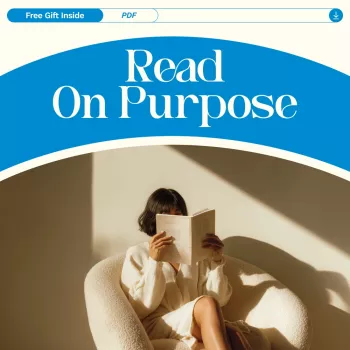
A structured guide for busy readers: Read On Purpose (digital eBook)
If you want a clearer, repeatable plan for finishing books—especially when your schedule is full—Read On Purpose: How to Motivate Yourself to Actually Finish a Book is designed to help turn good intentions into a practical routine.
FAQ
How many pages should be read each day to finish more books?
Pick a daily “floor” that fits your typical time window (often 5–10 pages or 10 minutes), then add an optional stretch goal for high-energy days. Consistency matters more than big sessions, so set a finish date based on your real schedule and let the daily minimum do the heavy lifting.
What should be done when a book feels boring halfway through?
Use a quick re-entry routine (re-read the last page, skim headings), switch formats if possible, and temporarily lower the target to something easy like 2–5 pages. Then set a clear decision point after a defined number of pages or chapters to finish, pause, or move on.
Is it okay to stop reading a book without finishing it?
Yes—strategic DNF is part of a healthy reading habit when a book repeatedly creates avoidance after a fair trial. Drop it without guilt, note what didn’t fit (topic, difficulty, timing), and choose a better-match next book using the interest/energy/time check.
Recommended for you

Beginner Retinol Routine: A Simple 8-Week Ramp Plan
Jun 14, 2026
Choose Wall Art to Change the Mood in Every Room
Jun 14, 2026













Leave a comment