-
Shop
- Adidas
- Advanced Technologies
- AI Skills Mastery 2026 Collection
- Astrology & Tarot Products
- Beauty
- Beauty Guides Collection
- Best-Sellers
- Car Accessories
- Confidence
- Dating & Social Skills
- Digital Resources
- AI & Technology
- AI Skills
- Budgeting & Saving
- Car Buying & Ownership
- Cozy Feast Collection
- Electronics & Technology
- Emotional Intelligence
- Entrepreneurship & Business Growth
- Financial Education
- Financial Independence
- Financial Mindset & Psychology
- Goal Setting
- Hobbies
- Home Styling & Organization
- Kitchen & Recipes
- Leadership
- Mindfulness
- Mindset
- Motivation
- Online Business
- Parenting & Child Development
- Pet Lifestyle & Wellness
- Positive Thinking
- Productivity
- Self Confidence
- Sleep Improvement
- Smart Life with AI
- Stress Management & Relaxation
- Travel Planning
- Yoga & Fitness
- Yoga & Mind-Body Practices
- Education & Learning
- Family & Parenting
- Fashion
- Alexander McQueen
- Bags
- Bags & Wallets
- Balenciaga
- Belts
- Blazers
- Bottega Veneta
- Brunello Cucinelli
- Burberry
- Chanel
- Chloé
- Dior
- Dolce & Gabbana
- Dresses
- Etro
- Fendi
- Gucci
- Hats & Hair Accessories
- Hoodies & Sweatshirts
- Jacquemus
- Jil Sander
- Keychains
- Kiton
- Luggage
- Miu Miu
- Off-White
- Outerwear
- Prada
- Rick Owens
- Saint Laurent
- Shoes
- Socks & Tights
- Sweaters & Cardigans
- The Row
- Tom Ford
- Tops & Shirts
- Valentino
- Valentino Garavani
- Versace
- Vivienne Westwood
- Watches
- Fashion Accessories
- Furniture
- Gadgets
- Health & Beauty
- Health & Wellness
- Home & Garden
- Home Supplies
- Jewelry
- Kids & Babies
- Kitchen
- Kitchen Best-Sellers
- Nike
- Patio, Lawn & Garden
- Personal Growth
- Personal Style & Fashion
- Pet Care
- Pet Supplies
- Pets
- Smart Home Living Guides
- Sport & Outdoors
- Stress Relief & Relaxation
- Super Deals
- TikTok Growth & Monetization Mastery
- Travel
- Travel & Adventure
- Wealth
- Wellness
- Popular
- Best deals
Fear of Spending Money? Use This 3-Phase Checklist
Overcome Your Fear of Spending Money: A Practical Checklist to Build Calm, Confident Decisions
Fear of spending money can look like “being responsible,” but it often feels like constant second-guessing, guilt after purchases, and avoiding needs or opportunities. A simple, repeatable process helps separate true financial risk from anxiety-driven avoidance. This guide walks through common reasons spending feels scary and offers a step-by-step checklist approach—combining mindset prompts with budgeting guardrails—so each purchase decision becomes clearer, calmer, and more consistent.
What Fear of Spending Money Can Look Like (Even With Savings)
- Delaying essentials (healthcare, home repairs, replacing worn-out items) because spending feels unsafe.
- Feeling guilty after any non-bill purchase, even when it fits the budget.
- Over-researching small buys, seeking reassurance, or abandoning carts repeatedly.
- Confusing “I can’t spend” with “I’m anxious about spending,” then defaulting to avoidance.
- Setting rigid rules (never eat out, never buy clothes) that eventually lead to burnout or impulsive splurges.
When these patterns show up, the problem often isn’t the purchase—it’s the lack of a trusted decision system. The goal is to build a clear definition of “safe spending,” then practice using it until the nervous system starts believing what the numbers already show.
Why Spending Feels Threatening: Common Roots
- Uncertainty: irregular income, unpredictable bills, or unclear monthly totals can make any purchase feel risky.
- Scarcity experiences: growing up with financial stress, job loss, or debt can train the brain to equate spending with danger.
- Perfectionism: believing every decision must be “optimal” can create paralysis and prolonged anxiety.
- All-or-nothing budgeting: viewing budgets as strict limits rather than guidance can turn small deviations into shame spirals.
- Values conflict: spending may feel wrong when it doesn’t clearly connect to security, family needs, health, or long-term goals.
It can help to name what’s happening accurately: anxiety is a real psychological state (not a character flaw) that often pushes the mind toward worst-case predictions and repetitive checking. If you want a simple definition, the APA Dictionary of Psychology is a helpful reference point.
Shift the Goal: From “Never Spend” to “Spend With Rules You Trust”
- Replace vague permission (“It’s fine, you deserve it”) with structured permission (“This fits my plan and priorities”).
- Decide in advance what “safe spending” means using a few guardrails: essential costs covered, minimum savings target met, debt plan on track, and a small flexible category for life.
- Treat spending as a skill: confidence grows through repeated, low-stakes practice and review—not by waiting until anxiety disappears.
- Use a simple decision ladder: Needs first, then planned wants, then spontaneous wants only if rules are satisfied.
If budgeting feels like the missing piece, a straightforward framework can reduce uncertainty fast. The Consumer Financial Protection Bureau’s budgeting guide is a reliable, practical resource for setting up categories and monthly totals.
The Checklist Method: A 3-Phase Process for Confident Purchases
Phase 1 — Pause and name it
Identify what you’re feeling (fear, guilt, uncertainty, pressure) and rate it 1–10. This single step reduces “vague doom” and turns the moment into something workable.
Phase 2 — Budget reality check
Confirm the purchase category, amount, and timing. Verify bills and your minimum savings are covered. If you don’t have clear categories yet, start with a simple baseline budget and refine it weekly—clarity beats perfection.
Phase 3 — Mindset reframe (then decide)
Quick decision guide for anxious spending moments
| Situation | What to check | Best next step |
|---|---|---|
| Essential need (health, safety, work) | Does this prevent bigger costs or harm later? | Buy or schedule it; use the checklist to reduce guilt |
| Planned purchase (already budgeted) | Is it within the set amount and timing? | Buy with confidence; log it and move on |
| Unplanned want (low cost) | Will it affect bills/savings this month? | Use a short cooling-off period; decide once |
| Unplanned want (high cost) | Do you need a sinking fund or price comparison? | Delay and create a plan (savings target + date) |
| Guilt after spending | Did it follow your rules? | If yes, practice closure; if no, adjust the rule—not your self-worth |
Make It Stick: A Weekly Review That Builds Evidence (Not Shame)
Printable Support: A Simple Mindset and Budgeting Tool for the Moment You Freeze
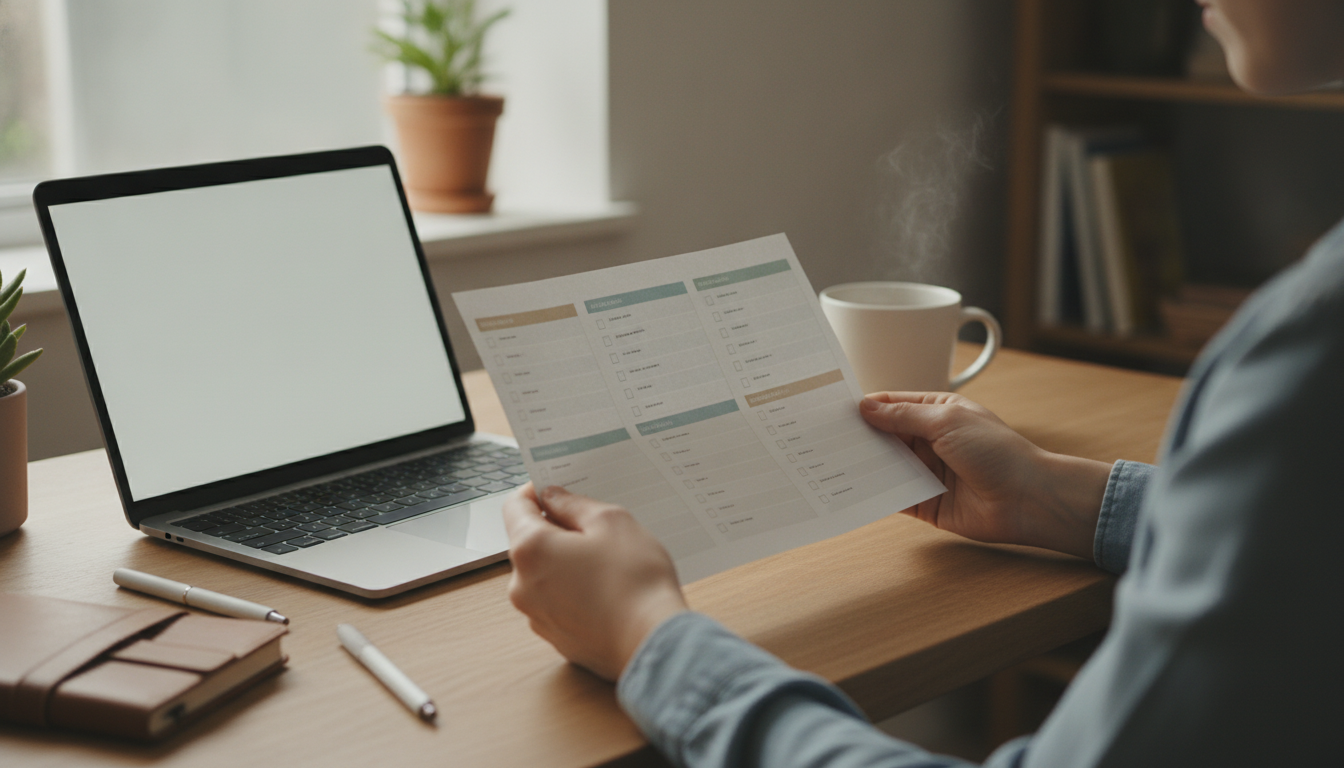
If you want a ready-to-use tool, the Overcome Your Fear of Spending Money Checklist (printable mindset and budgeting tool) is designed for quick decisions in the moment and calmer follow-through afterward.
For bigger, high-stakes purchases where anxiety can spike (like a major home item), applying the same “plan it, fund it, date it” method helps you stay grounded. The decision framework works whether you’re budgeting for a statement piece like the 70″ Suede Leather Sofa with Tufted Design or simply replacing something worn out.
When Fear of Spending Might Need Extra Help
FAQ
Why do I feel guilty spending money even when I can afford it?
Guilt often comes from past scarcity, perfectionism, or unclear spending rules that make any purchase feel like a mistake. Clear guardrails (bills covered, a minimum savings target, and planned categories) plus a brief “closure” reflection can help your brain register that you followed your plan.
How can I tell the difference between being careful and being afraid?
Being careful tends to feel calm and rule-based: you check the budget, decide, and move on. Fear-based spending shows up as avoidance, rumination, and shame; using a quick budget check, a feelings rating, and a decision deadline can make the difference obvious.
What’s a good first step if spending anxiety is intense?
Start with low-stakes purchases using a 24–72 hour cooling-off rule, and practice completing the decision once (no re-litigating afterward). Adding a small sinking fund for a feared category and doing brief weekly reviews builds evidence that spending can be safe and controllable.
Recommended for you

Top Luxury French Furniture: Styles, Craft & Tips
Jul 25, 2026













Leave a comment