-
Shop
- Adidas
- Advanced Technologies
- AI Skills Mastery 2026 Collection
- Astrology & Tarot Products
- Beauty
- Beauty Guides Collection
- Best-Sellers
- Car Accessories
- Confidence
- Dating & Social Skills
- Digital Resources
- AI & Technology
- AI Skills
- Budgeting & Saving
- Car Buying & Ownership
- Cozy Feast Collection
- Electronics & Technology
- Emotional Intelligence
- Entrepreneurship & Business Growth
- Financial Education
- Financial Independence
- Financial Mindset & Psychology
- Goal Setting
- Hobbies
- Home Styling & Organization
- Kitchen & Recipes
- Leadership
- Mindfulness
- Mindset
- Motivation
- Online Business
- Parenting & Child Development
- Pet Lifestyle & Wellness
- Positive Thinking
- Productivity
- Self Confidence
- Sleep Improvement
- Smart Life with AI
- Stress Management & Relaxation
- Travel Planning
- Yoga & Fitness
- Yoga & Mind-Body Practices
- Education & Learning
- Family & Parenting
- Fashion
- Alexander McQueen
- Bags
- Bags & Wallets
- Balenciaga
- Belts
- Blazers
- Bottega Veneta
- Brunello Cucinelli
- Burberry
- Chanel
- Chloé
- Dior
- Dolce & Gabbana
- Dresses
- Etro
- Fendi
- Gucci
- Hats & Hair Accessories
- Hoodies & Sweatshirts
- Jacquemus
- Jil Sander
- Keychains
- Kiton
- Luggage
- Miu Miu
- Off-White
- Outerwear
- Prada
- Rick Owens
- Saint Laurent
- Shoes
- Socks & Tights
- Sweaters & Cardigans
- The Row
- Tom Ford
- Tops & Shirts
- Valentino
- Valentino Garavani
- Versace
- Vivienne Westwood
- Watches
- Fashion Accessories
- Furniture
- Gadgets
- Health & Beauty
- Health & Wellness
- Home & Garden
- Home Supplies
- Jewelry
- Kids & Babies
- Kitchen
- Kitchen Best-Sellers
- Nike
- Patio, Lawn & Garden
- Personal Growth
- Personal Style & Fashion
- Pet Care
- Pet Supplies
- Pets
- Smart Home Living Guides
- Sport & Outdoors
- Stress Relief & Relaxation
- Super Deals
- TikTok Growth & Monetization Mastery
- Travel
- Travel & Adventure
- Wealth
- Wellness
- Popular
- Best deals
Deshedding Brush for Cats & Dogs: Loose Hair & Tangles
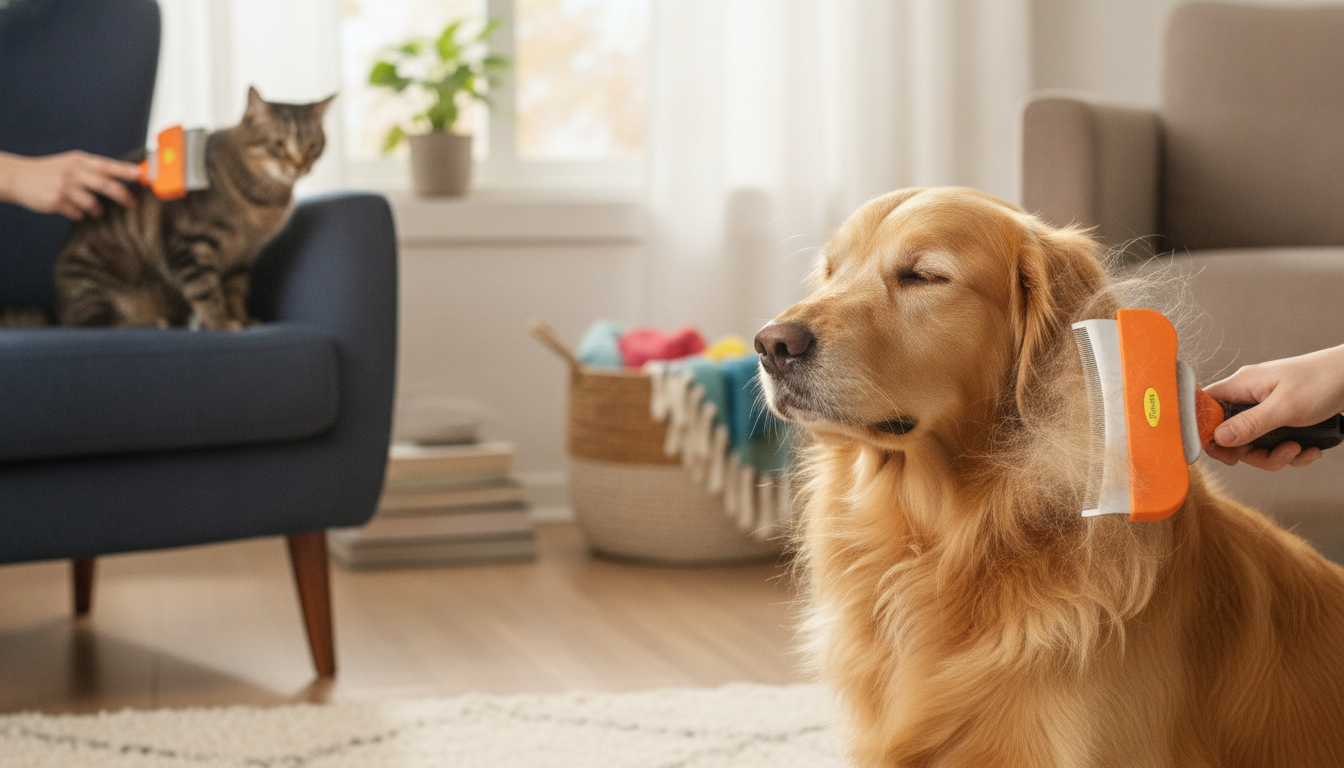
Pet Deshedding Brush for Cats & Dogs – Removes Loose Hair & Tangles
Loose fur and small knots can turn into mats, extra vacuuming, and an uncomfortable coat for pets. A deshedding brush designed for both cats and dogs helps lift dead undercoat and surface hair while working through light tangles, making regular grooming faster and less messy at home. With a steady routine and gentle technique, many pets feel better, look smoother, and leave less hair on the couch.
What a deshedding brush does (and what it doesn’t)
A deshedding brush is built to catch hair that’s already shed from the follicle and is ready to release. That makes it especially useful during seasonal coat changes, when undercoat comes out in soft “clouds” and seems to multiply overnight.
- Targets loose, dead hair that’s ready to come out—especially undercoat during seasonal shedding.
- Helps separate and smooth minor tangles before they tighten into mats.
- Reduces hair on furniture and clothing by removing shed hair at the source.
- Not a replacement for dematting tools on severe mats; dense, tight mats may need professional grooming to avoid pain and skin injury.
If you’re unsure whether a knot is a tangle or a mat, take the cautious route: stop if the hair feels “stuck” close to the skin or if your pet reacts sharply. When needed, a groomer can remove mats safely without tearing the coat or irritating the skin. For general coat-care guidance, reputable sources like the ASPCA are a helpful reference point.
Key benefits for cats and dogs
Regular brushing isn’t only about appearance—it can change the day-to-day feel of your home and your pet’s comfort. When loose coat is removed before it drops, there’s simply less hair to land on fabric, drift under tables, or get trapped under collars and harnesses.
- Less shedding around the home: routine sessions can noticeably cut down loose fur on floors and fabrics.
- Improved coat comfort: removing dead hair helps airflow to the skin and can reduce itchiness caused by trapped fur.
- Fewer hairballs for cats: less loose hair available to be ingested during self-grooming.
- Gentler grooming sessions: consistent, short sessions are easier for anxious pets than infrequent, long brushing.
For dogs, coat type matters (double-coat vs. single-coat), and the American Kennel Club offers practical background on shedding patterns and coat care across breeds.
When this type of brush is most useful
Deshedding tools shine when shedding is heavy or when a coat tends to trap loose undercoat instead of letting it fall away naturally. They can also be a game-changer for pets that won’t tolerate long sessions or frequent baths.
- Double-coated breeds (many spitz, shepherd-type dogs, and some long-haired cats) that “blow coat” seasonally.
- Medium-to-long coats that form light tangles behind ears, under collars/harnesses, and around the tail.
- Households managing allergies or frequent cleaning where reducing loose fur matters day to day.
- Pets that dislike baths—dry grooming can remove a surprising amount of loose hair between washes.
How to use it for a calmer, cleaner grooming routine
For most pets, the difference between “I hate brushing” and “I can tolerate this” comes down to pressure, pace, and predictability. Keep sessions short enough that you can end on a good note.
Coat-type guide and grooming frequency
Quick tool comparison for shedding and tangles
| Tool | Best for | Limitations | How often |
|---|---|---|---|
| Deshedding brush | Loose undercoat and surface hair; light tangles | Not ideal for tight mats; can irritate skin if overused | 1–6x/week depending on coat and season |
| Slicker brush | Surface tangles, fluffing, finishing | May miss deep undercoat; can scratch if used roughly | 2–7x/week depending on coat length |
| Metal comb | Finding hidden knots; finishing check | Slower for heavy shedding; snagging if rushed | After brushing or a few times/week |
| Grooming glove | Sensitive pets; light hair removal | Less effective on thick undercoat and tangles | Daily light sessions if tolerated |
Sensitive areas and safety tips
For cat-specific wellness and coat/skin considerations, the Cornell University College of Veterinary Medicine is a reliable hub for veterinary health resources.
Cleaning and maintaining the brush
Product pick: a simple option for routine deshedding and detangling
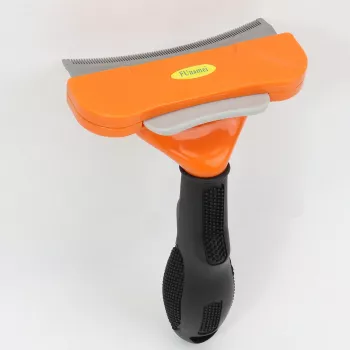
For everyday coat upkeep, Pet Deshedding Brush for Cats & Dogs – Removes Loose Hair & Tangles is a straightforward choice for lifting loose hair and helping with minor tangles between grooming appointments. It tends to perform best with consistent, gentle sessions and (for longer coats) an occasional comb-through to confirm there aren’t hidden knots near the skin.
- Budget Style Strategy Bundle for Everyday Looks – 5-in-1 Digital Download
- Calvin Klein Jeans Light Blue Cotton T-shirt for Men
FAQ
Can a deshedding brush be used on short-haired cats and dogs?
Yes. Use light pressure and fewer passes, focusing on lifting loose surface hair. If the skin looks pink or your pet gets fidgety, reduce frequency and keep sessions shorter.
How do tangles differ from mats, and what should be done about mats?
Tangles are looser knots that can often be worked out slowly, starting at the ends. Mats are tight and close to the skin; forcing them can hurt, so severe mats are often safest to address with a professional groomer.
How often should deshedding be done during heavy shedding season?
Many pets do well with short daily sessions for a week or two during peak shedding. Stop sooner if your pet shows discomfort or if the skin becomes irritated.
Recommended for you

Choose Wall Art to Change the Mood in Every Room
Jun 14, 2026
Self-Emptying Robot Vacuum: 3000Pa + App Control
Jun 15, 2026













Leave a comment