-
Shop
- Adidas
- Advanced Technologies
- AI Skills Mastery 2026 Collection
- Astrology & Tarot Products
- Beauty
- Beauty Guides Collection
- Best-Sellers
- Car Accessories
- Confidence
- Dating & Social Skills
- Digital Resources
- AI & Technology
- AI Skills
- Budgeting & Saving
- Car Buying & Ownership
- Cozy Feast Collection
- Electronics & Technology
- Emotional Intelligence
- Entrepreneurship & Business Growth
- Financial Education
- Financial Independence
- Financial Mindset & Psychology
- Goal Setting
- Hobbies
- Home Styling & Organization
- Kitchen & Recipes
- Leadership
- Mindfulness
- Mindset
- Motivation
- Online Business
- Parenting & Child Development
- Pet Lifestyle & Wellness
- Positive Thinking
- Productivity
- Self Confidence
- Sleep Improvement
- Smart Life with AI
- Stress Management & Relaxation
- Travel Planning
- Yoga & Fitness
- Yoga & Mind-Body Practices
- Education & Learning
- Family & Parenting
- Fashion
- Alexander McQueen
- Bags
- Bags & Wallets
- Balenciaga
- Belts
- Blazers
- Bottega Veneta
- Brunello Cucinelli
- Burberry
- Chanel
- Chloé
- Dior
- Dolce & Gabbana
- Dresses
- Etro
- Fendi
- Gucci
- Hats & Hair Accessories
- Hoodies & Sweatshirts
- Jacquemus
- Jil Sander
- Keychains
- Kiton
- Luggage
- Miu Miu
- Off-White
- Outerwear
- Prada
- Rick Owens
- Saint Laurent
- Shoes
- Socks & Tights
- Sweaters & Cardigans
- The Row
- Tom Ford
- Tops & Shirts
- Valentino
- Valentino Garavani
- Versace
- Vivienne Westwood
- Watches
- Fashion Accessories
- Furniture
- Gadgets
- Health & Beauty
- Health & Wellness
- Home & Garden
- Home Supplies
- Jewelry
- Kids & Babies
- Kitchen
- Kitchen Best-Sellers
- Nike
- Patio, Lawn & Garden
- Personal Growth
- Personal Style & Fashion
- Pet Care
- Pet Supplies
- Pets
- Smart Home Living Guides
- Sport & Outdoors
- Stress Relief & Relaxation
- Super Deals
- TikTok Growth & Monetization Mastery
- Travel
- Travel & Adventure
- Wealth
- Wellness
- Popular
- Best deals
Crib to Bed Transition: 7-Night Plan for Toddlers
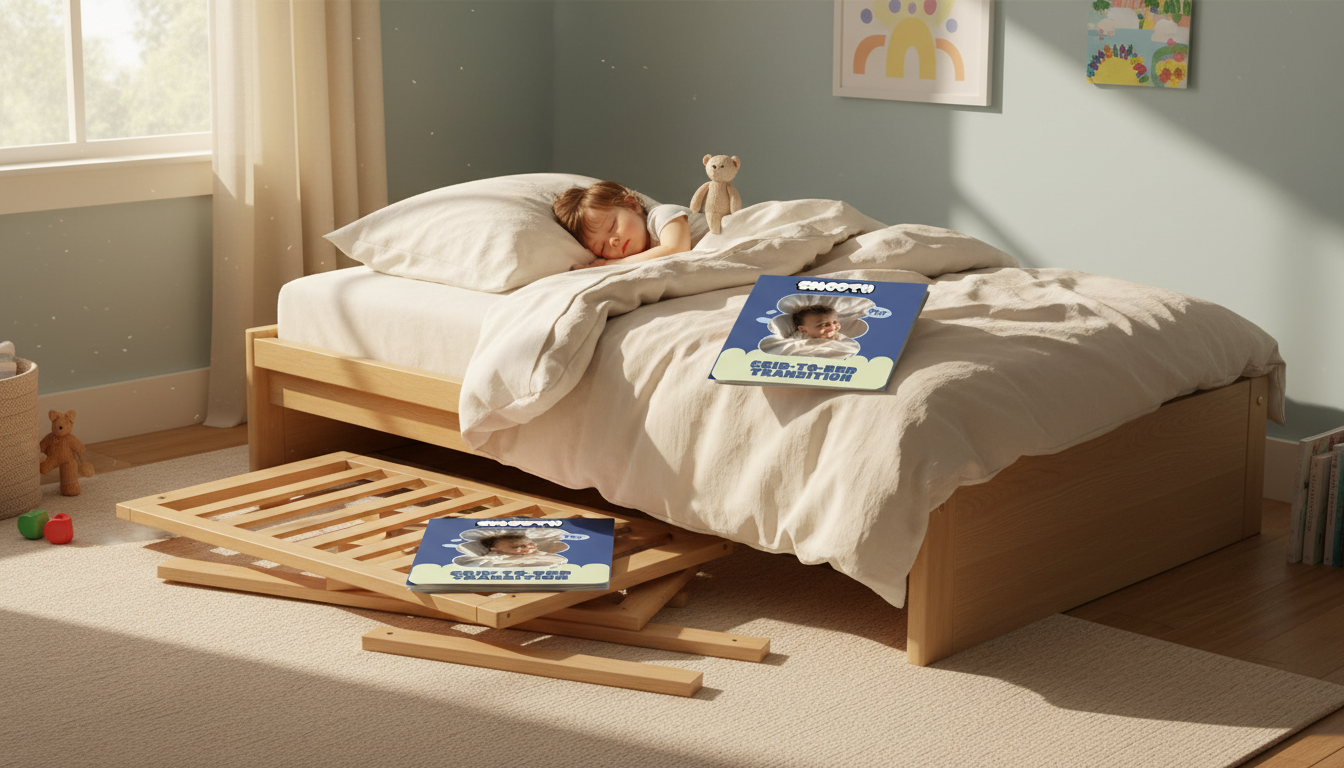
Smooth Crib-to-Bed Transition: A Parent-Approved Guide for Toddlers & Preschoolers
Moving from a crib to a bed is a big milestone for toddlers and preschoolers—and a common place for sleep to get bumpy for a while. A smoother transition usually comes down to three things: timing (readiness over age), a safer sleep setup (so freedom doesn’t equal danger), and a consistent plan (clear expectations plus calm follow-through). Use the steps below to decide when to switch, set up the room, and handle the most common challenges like bedtime stalling, early wake-ups, and getting out of bed repeatedly. For more guidance, see What kind of bed should I get for my dog with arthritis?.
Signs a Child Is Ready (and Signs It Can Wait)
Age ranges vary widely. Many kids move sometime between about 18 months and 3+ years, but behavior and safety matter more than the calendar. For further reading, see Best Dog Beds – Consumer Reports.
- Safety first: if climbing out of the crib is happening (or close to happening), a bed can be safer than risking a fall.
- Sleep stability matters: if nights are generally predictable and naps are consistent, the switch often goes more smoothly.
- Understanding simple rules helps: following 1–2 bedtime rules (like “stay in your room”) is a strong readiness signal.
- Too many changes at once can backfire: a move, new sibling, potty training, or travel can stack stress—space big changes by a few weeks when possible.
- Preschoolers vs. toddlers: preschoolers may be ready due to size/independence; toddlers may be ready due to crib escape attempts.
Readiness Check: Crib vs. Bed
| Situation | What it suggests | Practical next step |
|---|---|---|
| Climbing or trying to climb out of the crib | Higher injury risk staying in crib | Switch to a toddler bed/low bed and childproof the room |
| Sleeping well but loves routines and rules | Likely to adapt quickly | Introduce the idea, practice bedtime routine, switch when setup is ready |
| Multiple big changes happening (move, new baby, childcare change) | Higher chance of sleep disruption | Delay if safe to do so, or keep everything else very consistent |
| Can open doors and wander | Needs boundaries and safety planning | Secure the environment, consider a gate/door strategy that keeps the child safe |
| Nighttime fears increasing | May need comfort strategies | Add a predictable check-in plan and comfort objects before switching |
Choose the Bed Setup That Feels Safe and Simple
- Toddler bed vs. twin bed: a toddler bed can feel familiar and is usually lower to the ground; a twin can be a longer-term solution (often with rails at first).
- Keep the mattress low: a lower height reduces the risk of injury if rolling out happens during the first weeks.
- Use guardrails when needed: rails help kids stay oriented until their body learns the new boundaries.
- Keep bedding minimal and comfortable: prioritize snug sheets and a familiar blanket; follow current safe sleep guidance for your child’s age.
- Avoid “new everything”: keep the usual lovey, sound machine, bedtime songs, and general routine so the “bed” is the only major change.
For safe sleep basics and age-appropriate guidance, refer to the American Academy of Pediatrics safe sleep resources.
Childproof the Bedroom: Treat It Like the New Crib
A bed gives access, so think of the entire room as the sleep space.
- Anchor furniture (dressers, bookshelves) and keep cords out of reach; secure blinds/curtain cords.
- Cover outlets, remove small choking hazards, and store medications, skincare, and cleaning products out of reach.
- Make nighttime navigation safer: use a dim night-light and keep a clear path to the door or bathroom.
- Choose a safe “stay-in-room” approach: a child-safe doorknob cover, a baby gate, or another solution can prevent wandering; consider local fire safety guidance when deciding.
- If potty training: offer an easy option (child potty in-room or a clearly lit bathroom route) to reduce repeated exits.
For broader home injury prevention ideas, the CDC child safety hub is a helpful starting point.
A 7-Night Transition Plan (Predictable, Calm, Repeatable)
Common Challenges and What Usually Helps
For general sleep development and common issues by age, see NIH MedlinePlus: Sleep in Children.
When to Pause, Recalibrate, or Ask for Help
A Ready-to-Use Guide for the Transition
FAQ
What age should a toddler move from a crib to a bed?
Readiness matters more than age, but many children switch sometime between about 18 months and 3+ years. If your child is climbing out (or close to it), moving to a safer low bed setup can reduce the risk of a fall.
What if a child keeps getting out of bed after the switch?
Use consistent bedtime rules and the “silent return” (calmly walking them back with minimal talking) every time. Make the room safe first, then expect a few nights of repetition before the new boundary sticks.
Is it better to start with a toddler bed or go straight to a twin bed?
A toddler bed often feels familiar and is lower to the ground, while a twin bed can last longer but may need guardrails and a lower frame at first. Choose based on your child’s temperament, your space/budget, and what feels safest for your home.















Leave a comment