-
Shop
- Adidas
- Advanced Technologies
- AI Skills Mastery 2026 Collection
- Astrology & Tarot Products
- Beauty
- Beauty Guides Collection
- Best-Sellers
- Car Accessories
- Confidence
- Dating & Social Skills
- Digital Resources
- AI & Technology
- AI Skills
- Budgeting & Saving
- Car Buying & Ownership
- Cozy Feast Collection
- Electronics & Technology
- Emotional Intelligence
- Entrepreneurship & Business Growth
- Financial Education
- Financial Independence
- Financial Mindset & Psychology
- Goal Setting
- Hobbies
- Home Styling & Organization
- Kitchen & Recipes
- Leadership
- Mindfulness
- Mindset
- Motivation
- Online Business
- Parenting & Child Development
- Pet Lifestyle & Wellness
- Positive Thinking
- Productivity
- Self Confidence
- Sleep Improvement
- Smart Life with AI
- Stress Management & Relaxation
- Travel Planning
- Yoga & Fitness
- Yoga & Mind-Body Practices
- Education & Learning
- Family & Parenting
- Fashion
- Alexander McQueen
- Bags
- Bags & Wallets
- Balenciaga
- Belts
- Blazers
- Bottega Veneta
- Brunello Cucinelli
- Burberry
- Chanel
- Chloé
- Dior
- Dolce & Gabbana
- Dresses
- Etro
- Fendi
- Gucci
- Hats & Hair Accessories
- Hoodies & Sweatshirts
- Jacquemus
- Jil Sander
- Keychains
- Kiton
- Luggage
- Miu Miu
- Off-White
- Outerwear
- Prada
- Rick Owens
- Saint Laurent
- Shoes
- Socks & Tights
- Sweaters & Cardigans
- The Row
- Tom Ford
- Tops & Shirts
- Valentino
- Valentino Garavani
- Versace
- Vivienne Westwood
- Watches
- Fashion Accessories
- Furniture
- Gadgets
- Health & Beauty
- Health & Wellness
- Home & Garden
- Home Supplies
- Jewelry
- Kids & Babies
- Kitchen
- Kitchen Best-Sellers
- Nike
- Patio, Lawn & Garden
- Personal Growth
- Personal Style & Fashion
- Pet Care
- Pet Supplies
- Pets
- Smart Home Living Guides
- Sport & Outdoors
- Stress Relief & Relaxation
- Super Deals
- TikTok Growth & Monetization Mastery
- Travel
- Travel & Adventure
- Wealth
- Wellness
- Popular
- Best deals
Clingy Toddler Phases: What’s Normal and How to Help
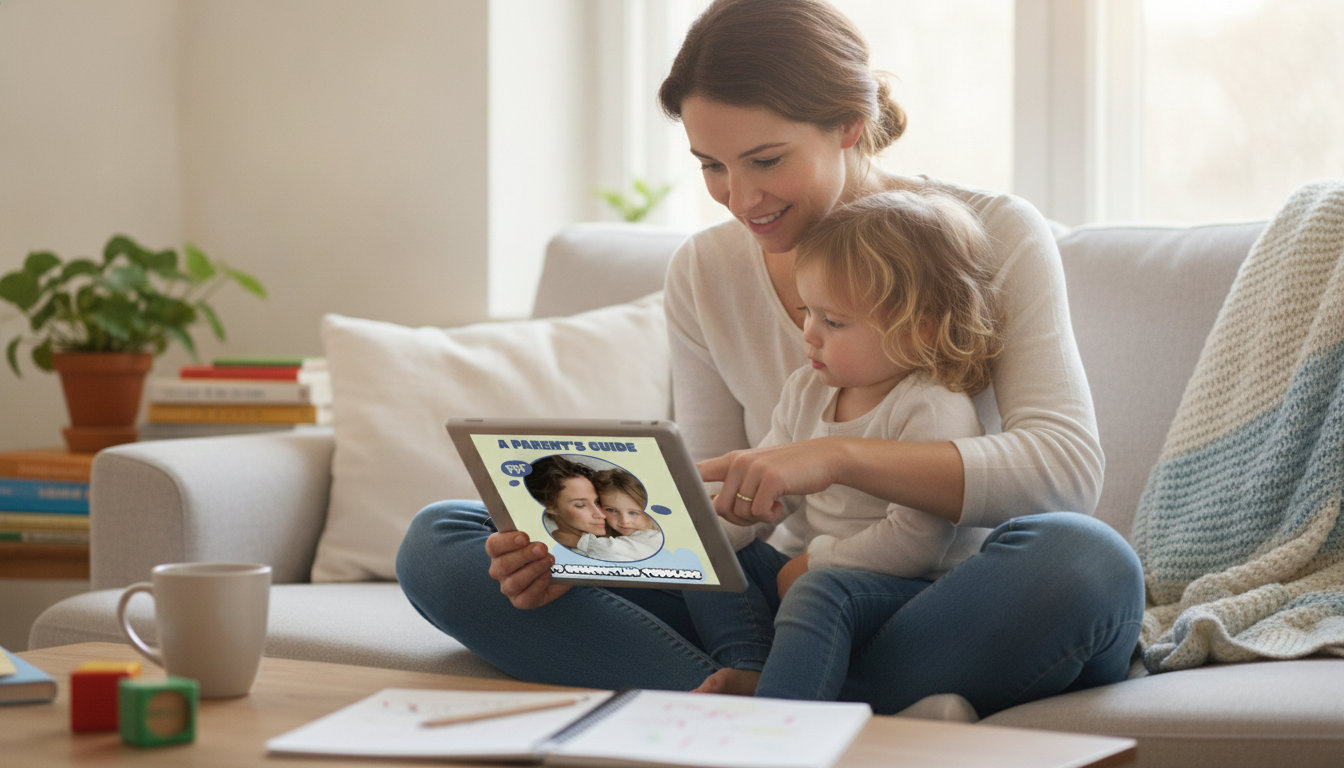
Clingy Toddler Phases: What’s Normal and What It’s Telling You
Clingy moments, sudden tears, and “only you” phases are common in toddlerhood—especially during transitions, tiredness, or big developmental leaps. Comforting a toddler doesn’t mean creating dependence; it builds a sense of safety, supports emotional regulation, and helps a child grow the confidence to explore. The goal isn’t to stop feelings—it’s to guide your toddler through them with steady, gentle support. For more guidance, see Emotion Regulation in Toddlerhood: Regulatory Strategies in Anger ….
Why toddlers get clingy (and why it can be a healthy sign)
Toddler clinginess often rises right when a child is growing fast. New skills and new stressors can show up as “I need you closer.” That’s not a setback—it’s information. For further reading, see Toddler Emotional Management: 5 Practical Tips & Book ….
- Attachment needs spike during change. Illness, teething, travel, a new sibling, starting childcare, or a schedule shift can all increase clinginess.
- Big feelings, small tools. Toddlers feel emotions intensely, but their brains and language skills are still developing. Closeness helps them settle.
- Clinginess can signal trust. A toddler who runs back to you for comfort is showing they see you as a safe base.
- Independence grows in cycles. Connection → confidence → exploration happens again and again. A child refuels with you, then ventures out.
For additional toddler-stage perspective, the CDC’s Positive Parenting Tips offers practical, age-appropriate guidance.
Comfort first, teach later: what regulation looks like in real life
Regulation doesn’t always look like instant calm. It can look like your toddler moving from frantic to upset, and then from upset to able to accept help. That shift is progress.
- Toddlers “borrow” an adult’s calm. A steady voice, relaxed posture, predictable responses, and gentle touch (when welcomed) help their nervous system settle.
- Start with connection. Presence and empathy come first; problem-solving comes later, once breathing slows and body tension eases.
- Name feelings without trying to erase them. Try: “You wanted me. It’s hard to wait.”
- Keep words simple when emotions are big. A toddler in meltdown can’t process a long lecture, even a loving one.
A quick response plan for clingy moments
When your toddler suddenly refuses to be put down, follow a short, repeatable plan. Consistency is calming—for both of you.
- Pause and check the basics. Hunger, thirst, sleep, pain, temperature, diaper/potty needs, or overstimulation can drive clinginess.
- Get low and go slow. Come to eye level, soften your face, and use a calm, low voice.
- Offer one clear anchor. A cuddle, holding hands, sitting together on the couch, or a comfort object.
- Set a tiny next step. “I’ll hold you while we walk to the kitchen,” instead of demanding independence immediately.
- When calmer, offer choices. “Do you want to walk or be carried to the door?”
Common clingy triggers and gentle responses
| Trigger | What it can look like | Helpful response |
|---|---|---|
| Separation (parent leaves room) | Crying, grabbing legs, panic | Give a simple goodbye ritual; return when promised; practice short separations |
| Transitions (stop play, get dressed) | Refusing, whining, demanding to be held | Preview what’s next; offer two choices; use a timer or a playful cue |
| Overtired/overstimulated | Meltdowns, clinginess, irritability | Reduce demands; dim lights; quiet connection; earlier bedtime/reset routine |
| New people/places | Hiding, clinging, not wanting to engage | Stay close; let toddler observe; don’t force greetings; offer a “safe lap” |
Words that soothe: simple scripts that don’t shame feelings
When toddlers are distressed, the most helpful language is short, sincere, and steady. These scripts hold both empathy and leadership.
- Validation: “You really want me close. That makes sense.”
- Boundary + reassurance: “I’m going to the bathroom. I’ll be back in two minutes.”
- Co-regulation prompt: “Let’s breathe together—smell the flower, blow the candle.”
- Confidence building: “You can try, and I’ll help if it’s tricky.”
- Repair after stress: “That was hard. I’m here now.”
If separation anxiety is a frequent challenge, the American Academy of Pediatrics overview of separation anxiety can help set expectations and normalize common phases.
Building independence without pushing: connection-based strategies
Independence sticks when it feels safe. A toddler who feels emotionally “held” is more willing to try things on their own.
Supporting separations: daycare, babysitters, and leaving the room
When clinginess looks extreme: what to watch and when to ask for help
A practical resource for everyday moments
- A Parent’s Guide to Comforting Toddlers (Ebook) offers gentle strategies for clinginess, tantrums, transitions, and building independence without power struggles.
- If caregiver overwhelm is adding fuel to tough moments, a quick reset for your own bandwidth can help you show up steadier: Budget Style Strategy Bundle for Everyday Looks – 5-in-1 Digital Download.
FAQ
Does comforting a clingy toddler create dependence?
No—consistent comfort supports the connection-to-independence cycle. When toddlers feel safe and understood, they regulate faster and are more willing to explore on their own over time.
What should a parent do when a toddler cries every time they leave the room?
Use a simple, consistent goodbye ritual, keep separations short and predictable, and return when you say you will. Avoid sneaking away; practice brief exits when your toddler is calm so the pattern feels safer.
How can gentle parenting handle tantrums without giving in?
Validate the feeling while holding the boundary: “You’re mad. It’s still time to leave.” Co-regulate first, then offer limited choices and simple next steps—meeting needs without automatically granting wants.
Recommended for you



Bedroom Reset for Comfort & Space: 3-Step Plan
Jun 15, 2026
Balenciaga Monochrome Wide-Leg Monogram Pants Guide
Jun 16, 2026













Leave a comment