-
Shop
- Adidas
- Advanced Technologies
- AI Skills Mastery 2026 Collection
- Astrology & Tarot Products
- Beauty
- Beauty Guides Collection
- Best-Sellers
- Car Accessories
- Confidence
- Dating & Social Skills
- Digital Resources
- AI & Technology
- AI Skills
- Budgeting & Saving
- Car Buying & Ownership
- Cozy Feast Collection
- Electronics & Technology
- Emotional Intelligence
- Entrepreneurship & Business Growth
- Financial Education
- Financial Independence
- Financial Mindset & Psychology
- Goal Setting
- Hobbies
- Home Styling & Organization
- Kitchen & Recipes
- Leadership
- Mindfulness
- Mindset
- Motivation
- Online Business
- Parenting & Child Development
- Pet Lifestyle & Wellness
- Positive Thinking
- Productivity
- Self Confidence
- Sleep Improvement
- Smart Life with AI
- Stress Management & Relaxation
- Travel Planning
- Yoga & Fitness
- Yoga & Mind-Body Practices
- Education & Learning
- Family & Parenting
- Fashion
- Alexander McQueen
- Bags
- Bags & Wallets
- Balenciaga
- Belts
- Blazers
- Bottega Veneta
- Brunello Cucinelli
- Burberry
- Chanel
- Chloé
- Dior
- Dolce & Gabbana
- Dresses
- Etro
- Fendi
- Gucci
- Hats & Hair Accessories
- Hoodies & Sweatshirts
- Jacquemus
- Jil Sander
- Keychains
- Kiton
- Luggage
- Miu Miu
- Off-White
- Outerwear
- Prada
- Rick Owens
- Saint Laurent
- Shoes
- Socks & Tights
- Sweaters & Cardigans
- The Row
- Tom Ford
- Tops & Shirts
- Valentino
- Valentino Garavani
- Versace
- Vivienne Westwood
- Watches
- Fashion Accessories
- Furniture
- Gadgets
- Health & Beauty
- Health & Wellness
- Home & Garden
- Home Supplies
- Jewelry
- Kids & Babies
- Kitchen
- Kitchen Best-Sellers
- Nike
- Patio, Lawn & Garden
- Personal Growth
- Personal Style & Fashion
- Pet Care
- Pet Supplies
- Pets
- Smart Home Living Guides
- Sport & Outdoors
- Stress Relief & Relaxation
- Super Deals
- TikTok Growth & Monetization Mastery
- Travel
- Travel & Adventure
- Wealth
- Wellness
- Popular
- Best deals
Calm Code: Stress Vitamins, Habits & 7-Day Starter Plan
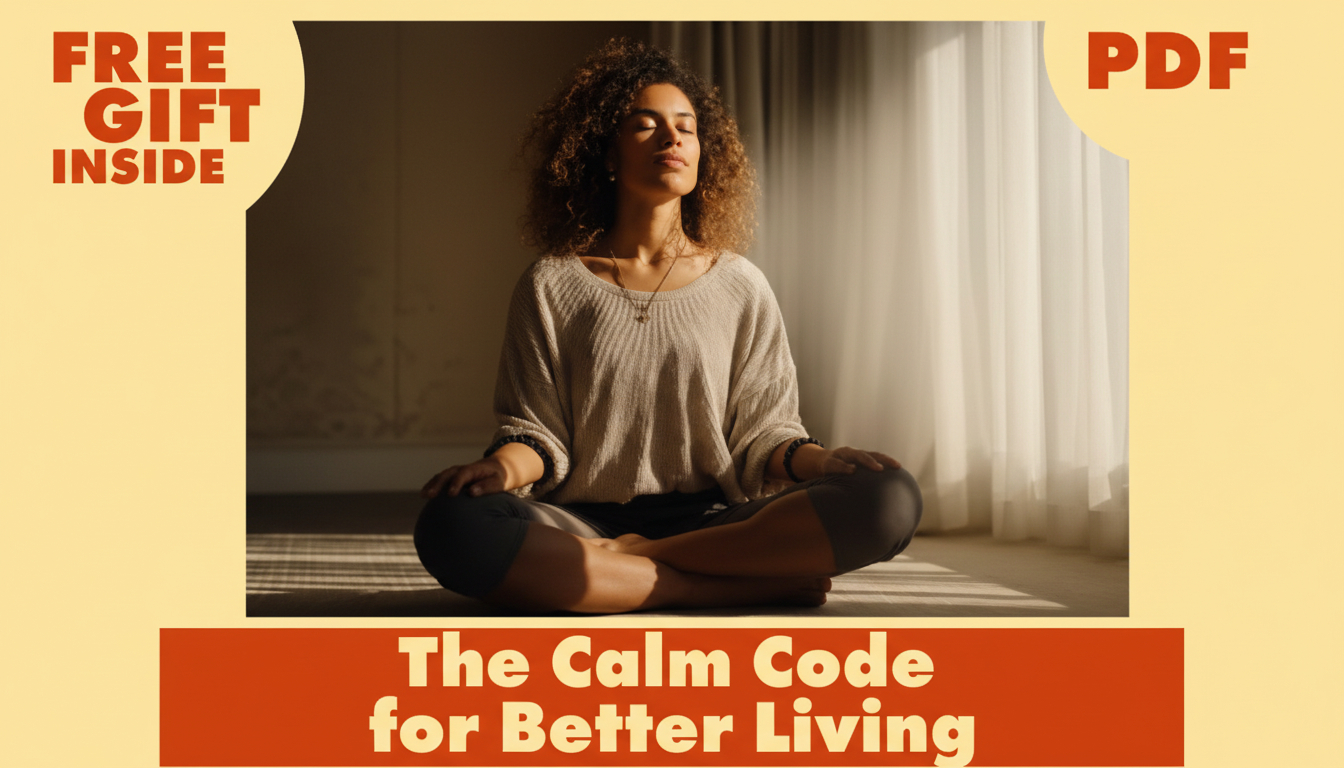
Stress can show up as poor sleep, low energy, anxious thoughts, or constant tension. A calmer routine often comes from combining targeted nutrition with simple, repeatable wellness habits. This guide breaks down common vitamins and nutrients used for stress support, how they fit into a holistic plan, and how to turn ideas into a steady daily practice with a downloadable eBook.
What “calm” really requires: nutrients, nervous system support, and daily rhythms
“Calm” isn’t the absence of stress—it’s a nervous system that can ramp up when needed and reliably come back down. That’s why consistency tends to matter more than intensity. If sleep timing, meals, and movement change every day, the body gets mixed signals, and the stress response can stay stuck in “on” mode.
At a basic level, stress affects cortisol patterns, adrenal signaling, and the sleep-wake cycle. When rhythms are stable (similar wake time, predictable meals, a repeatable wind-down), the body spends less energy bracing for uncertainty. Supplements can support the process, but they’re most helpful when paired with foundations like hydration, balanced meals, daily movement, and a bedtime routine.
A realistic goal is improved resilience: fewer spikes of overwhelm, quicker recovery after a hard moment, and more steady energy throughout the day. If anxiety, panic symptoms, insomnia, or persistent distress are interfering with daily life, it’s important to seek professional support rather than trying to “out-supplement” the problem.
Stress-support vitamins and nutrients: what they do and where to find them
Nutrients don’t act like an on/off switch for stress. They support pathways involved in energy production, neurotransmitter function, muscle relaxation, and overall brain health. Food-first is a strong default, and supplements can fill gaps when diet, lifestyle, or lab results point to a likely need.
Common options people use in stress routines
- B vitamins (especially B6, B9/folate, B12): help support energy metabolism and nervous system function. Dietary intake is the first step, with special planning for those limiting animal foods.
- Magnesium: involved in relaxation pathways and muscle function; many people aim to increase magnesium-rich foods and consider supplements with clinician guidance.
- Vitamin D: low levels are common; adequate status supports overall health and mood-related pathways.
- Vitamin C: antioxidant support; chronic stress can increase nutrient turnover.
- Omega-3s (EPA/DHA): support brain and cardiovascular health and pair well with lifestyle-based calming strategies.
- L-theanine and adaptogenic herbs: commonly used for stress routines, but they can interact with medications; avoid starting multiple new products at the same time.
| Nutrient | Potential role in a stress routine | Food sources | Smart-use notes |
|---|---|---|---|
| Magnesium | Supports relaxation and muscle function; may help wind-down routines | Pumpkin seeds, almonds, spinach, black beans | Start low; some forms can upset digestion; review kidney issues with a clinician |
| Vitamin D | Overall health support; linked to mood-related pathways | Fatty fish, fortified foods, sunlight exposure | Consider testing if deficiency is suspected; follow dosing guidance |
| B vitamins | Supports nervous system and energy metabolism | Eggs, legumes, leafy greens, meat/fish, fortified grains | Vegans/vegetarians may need B12 planning; check meds that affect absorption |
| Omega-3 (EPA/DHA) | Supports brain and heart health; complements lifestyle stress strategies | Salmon, sardines, trout, algae oil | Watch blood-thinning meds; choose quality-tested products |
For deeper reference reading, see the NIH Office of Dietary Supplements on magnesium and vitamin D, plus the NCCIH overview on stress.
How to build a calm routine that actually sticks
The most effective routines are the ones that are easy to repeat on your busiest day. Start small and build in a way that reduces decision fatigue.
Safety notes: interactions, dosing boundaries, and who should be cautious
What’s inside The Calm Code for Better Living (digital download)
The Calm Code for Better Living digital download is designed for people who want a structured plan rather than scattered tips. It focuses on combining stress-support nutrition with daily practices that fit real schedules.
Make your space feel calmer (optional supports)
Stress routines are easier to maintain when the environment reinforces them—comfortable seating for a wind-down, or clothing that doesn’t add friction at the end of a long day. If you’re upgrading your calm corner, consider the 70″ Suede Leather Sofa with Tufted Design for a dedicated reading or breathwork spot, or the Jil Sander Short Sleeve V-Neck Shirt for an easy, comfortable everyday option.
A simple 7-day starter plan (food + routine + optional supplements)
FAQ
Which vitamin is best for stress?
There isn’t one best option for everyone. Magnesium, B vitamins, vitamin D, and omega-3s are common supports, but the best fit depends on diet, lab results, symptoms, and medications—food-first and clinician guidance are the safest approach.
Can stress supplements help with sleep?
Some nutrients may support relaxation and make it easier to follow a wind-down routine, which can improve sleep over time. Results depend heavily on caffeine timing, sleep hygiene, and consistency, and it’s best to introduce only one new supplement at a time.
How long does it take to notice a difference from vitamins for stress support?
Some people notice changes in days, but many benefits take a few weeks, especially if you’re correcting a low nutrient status while building steadier habits. Track sleep, mood, and tension for two weeks and adjust one variable at a time; seek professional help for persistent or worsening symptoms.
Recommended for you


Top Luxury French Furniture: Styles, Craft & Tips
Jul 25, 2026












Leave a comment