-
Shop
- Adidas
- Advanced Technologies
- AI Skills Mastery 2026 Collection
- Astrology & Tarot Products
- Beauty
- Beauty Guides Collection
- Best-Sellers
- Car Accessories
- Confidence
- Dating & Social Skills
- Digital Resources
- AI & Technology
- AI Skills
- Budgeting & Saving
- Car Buying & Ownership
- Cozy Feast Collection
- Electronics & Technology
- Emotional Intelligence
- Entrepreneurship & Business Growth
- Financial Education
- Financial Independence
- Financial Mindset & Psychology
- Goal Setting
- Hobbies
- Home Styling & Organization
- Kitchen & Recipes
- Leadership
- Mindfulness
- Mindset
- Motivation
- Online Business
- Parenting & Child Development
- Pet Lifestyle & Wellness
- Positive Thinking
- Productivity
- Self Confidence
- Sleep Improvement
- Smart Life with AI
- Stress Management & Relaxation
- Travel Planning
- Yoga & Fitness
- Yoga & Mind-Body Practices
- Education & Learning
- Family & Parenting
- Fashion
- Alexander McQueen
- Bags
- Bags & Wallets
- Balenciaga
- Belts
- Blazers
- Bottega Veneta
- Brunello Cucinelli
- Burberry
- Chanel
- Chloé
- Dior
- Dolce & Gabbana
- Dresses
- Etro
- Fendi
- Gucci
- Hats & Hair Accessories
- Hoodies & Sweatshirts
- Jacquemus
- Jil Sander
- Keychains
- Kiton
- Luggage
- Miu Miu
- Off-White
- Outerwear
- Prada
- Rick Owens
- Saint Laurent
- Shoes
- Socks & Tights
- Sweaters & Cardigans
- The Row
- Tom Ford
- Tops & Shirts
- Valentino
- Valentino Garavani
- Versace
- Vivienne Westwood
- Watches
- Fashion Accessories
- Furniture
- Gadgets
- Health & Beauty
- Health & Wellness
- Home & Garden
- Home Supplies
- Jewelry
- Kids & Babies
- Kitchen
- Kitchen Best-Sellers
- Nike
- Patio, Lawn & Garden
- Personal Growth
- Personal Style & Fashion
- Pet Care
- Pet Supplies
- Pets
- Smart Home Living Guides
- Sport & Outdoors
- Stress Relief & Relaxation
- Super Deals
- TikTok Growth & Monetization Mastery
- Travel
- Travel & Adventure
- Wealth
- Wellness
- Popular
- Best deals
Mindful Eating for Instant Calm: 90-Second Stress Reset

Instant Calm Through Mindful Eating: A Simple Strategy for Stress Relief
Stress often shows up right at the table—rushed bites, distracted snacking, or eating on autopilot. Mindful eating offers a practical way to shift the nervous system toward calm using attention, breath, and gentle structure. This guide breaks down a quick, repeatable approach to feel steadier in the moment, plus a digital toolkit that makes the practice easy to follow day-to-day.
Why eating can feel stressful (and how mindful eating helps)
When the body is under pressure, meals can turn into one more task to “get through.” Stress can blunt awareness of hunger and fullness cues, making it easier to overeat or skip meals—then feel more reactive later. Multitasking while eating (scrolling, working, driving) also keeps the body in a revved-up state, even when food is meant to refuel and restore.
Mindful eating works as a downshift. By slowing the pace, engaging the senses, and adding brief self-check-ins, it can support relaxation and emotional regulation. Many people notice they feel more satisfied with smaller portions because they actually register taste and texture—reducing the urge to keep searching for “just one more” bite. Importantly, mindful eating isn’t a diet; it’s a flexible skill that can be used with any cuisine, schedule, or nutrition approach.
For a research-grounded overview, see Harvard Health Publishing’s mindful eating guide. For a refresher on how stress affects the body overall, the American Psychological Association offers a clear, practical summary.
The 90-second reset before the first bite
This mini-routine is designed for real life—no perfect conditions required. Use it before meals or even before a snack.
- Pause: Place the food down and let your shoulders drop to signal safety to the body.
- Breathe: Take 3 slow breaths—inhale through the nose, exhale longer than the inhale to encourage downshifting.
- Name: Identify one present-moment feeling (for example: “tense,” “tired,” “overstimulated”) without judgment.
- Choose: Set a tiny intention such as “I will take 5 slow bites,” or “I will taste the first three mouthfuls fully.”
- Begin: Take the first bite without screens. Notice temperature, texture, and flavor for 5–10 seconds before the next bite.
If you only do one thing, make it the longer exhale. Extending the exhale is a simple way to nudge the body toward calm—especially when appetite and stress collide.
A mindful eating routine for instant calm (repeatable at any meal)
Think of this as a light structure you can return to whenever meals feel rushed, tense, or “mindless.”
Step-by-step routine
- Arrive: Look at the plate for a moment. Notice colors and shapes to anchor attention.
- Smell: Take one slow inhale. Scent is a fast pathway to grounding.
- First bites: Chew a bit longer than usual. Let the jaw unclench between chews.
- Mid-meal check: Pause halfway to rate hunger/fullness and stress level (0–10).
- Gentle pacing: Put utensils down occasionally or alternate sips of water/tea with bites.
- Finish intentionally: Stop when comfortably satisfied. Take one closing breath to mark completion.
If emotions rise mid-meal, try: hand on heart + longer exhale for 3 breaths, then return to taste and texture.
Quick calming cues during meals
| Moment | What to notice | Micro-action (10–30 seconds) |
|---|---|---|
| Before eating | Shoulder tension, breath speed | 3 slow breaths; exhale longer than inhale |
| First 3 bites | Texture and temperature | Chew slowly; pause after swallowing |
| Midway point | Hunger/fullness and stress (0–10) | Set down utensils; one sip of water |
| When cravings spike | Urgency, restlessness | Name the feeling; take 2 long exhales |
| After finishing | Body comfort, satisfaction | One gratitude note; unclench jaw |
Common obstacles (and simple fixes that keep you consistent)
Using a checklist and prompts to make calm automatic
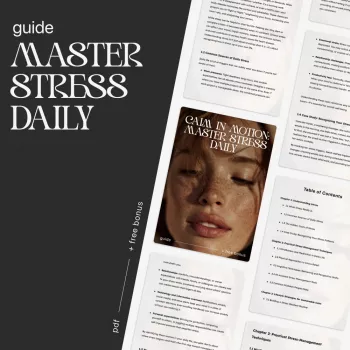
A practical option is the Instant Calm Through Mindful Eating digital guide, eBook & checklist, designed for quick use before meals and snacks. It focuses on noticing hunger/fullness, stress signals, and satisfaction—without adding restrictive rules—so it can fit alongside any nutrition plan.
Digital guide, eBook & checklist for stress relief and mindful living
If you’re starting from scratch, begin with one step—the pre-bite reset—and expand as it becomes natural. For a broader look at mindfulness research (including stress-related outcomes), the NCCIH (NIH) overview is a helpful, balanced resource.
Small additions that make mindful eating easier at home
Try a 3-minute arrival routine: wash hands, pour a drink, take a breath, then sit. Pairing mindful eating with a calming beverage ritual (warm tea, water with lemon, or a slow coffee) reinforces the pause habit. If a tangible cue helps, consider an Elegant ceramic coffee cup with saucer for a slower beverage ritual—a simple way to make the first minute of the meal feel more intentional.
FAQ
How quickly can mindful eating help with stress?
It can feel calming within minutes by slowing the pace, lengthening exhales, and shifting attention to sensory cues. With repetition, the calming response tends to show up faster and more reliably.
Is mindful eating the same as dieting?
No—mindful eating focuses on awareness and regulation (hunger, fullness, satisfaction, emotions) rather than rules, restriction, or specific foods. It can complement many eating styles without becoming another set of food “shoulds.”
What if mindful eating feels hard when anxiety is high?
Start smaller: use one breath cue, slow the first bite, or do a midway pause. If distress is intense or persistent, professional support can help you build regulation tools tailored to your situation.















Leave a comment