-
Shop
- Adidas
- Advanced Technologies
- AI Skills Mastery 2026 Collection
- Astrology & Tarot Products
- Beauty
- Beauty Guides Collection
- Best-Sellers
- Car Accessories
- Confidence
- Dating & Social Skills
- Digital Resources
- AI & Technology
- AI Skills
- Budgeting & Saving
- Car Buying & Ownership
- Cozy Feast Collection
- Electronics & Technology
- Emotional Intelligence
- Entrepreneurship & Business Growth
- Financial Education
- Financial Independence
- Financial Mindset & Psychology
- Goal Setting
- Hobbies
- Home Styling & Organization
- Kitchen & Recipes
- Leadership
- Mindfulness
- Mindset
- Motivation
- Online Business
- Parenting & Child Development
- Pet Lifestyle & Wellness
- Positive Thinking
- Productivity
- Self Confidence
- Sleep Improvement
- Smart Life with AI
- Stress Management & Relaxation
- Travel Planning
- Yoga & Fitness
- Yoga & Mind-Body Practices
- Education & Learning
- Family & Parenting
- Fashion
- Alexander McQueen
- Bags
- Bags & Wallets
- Balenciaga
- Belts
- Blazers
- Bottega Veneta
- Brunello Cucinelli
- Burberry
- Chanel
- Chloé
- Dior
- Dolce & Gabbana
- Dresses
- Etro
- Fendi
- Gucci
- Hats & Hair Accessories
- Hoodies & Sweatshirts
- Jacquemus
- Jil Sander
- Keychains
- Kiton
- Luggage
- Miu Miu
- Off-White
- Outerwear
- Prada
- Rick Owens
- Saint Laurent
- Shoes
- Socks & Tights
- Sweaters & Cardigans
- The Row
- Tom Ford
- Tops & Shirts
- Valentino
- Valentino Garavani
- Versace
- Vivienne Westwood
- Watches
- Fashion Accessories
- Furniture
- Gadgets
- Health & Beauty
- Health & Wellness
- Home & Garden
- Home Supplies
- Jewelry
- Kids & Babies
- Kitchen
- Kitchen Best-Sellers
- Nike
- Patio, Lawn & Garden
- Personal Growth
- Personal Style & Fashion
- Pet Care
- Pet Supplies
- Pets
- Smart Home Living Guides
- Sport & Outdoors
- Stress Relief & Relaxation
- Super Deals
- TikTok Growth & Monetization Mastery
- Travel
- Travel & Adventure
- Wealth
- Wellness
- Popular
- Best deals
Bedroom Reset for Comfort & Space: 3-Step Plan
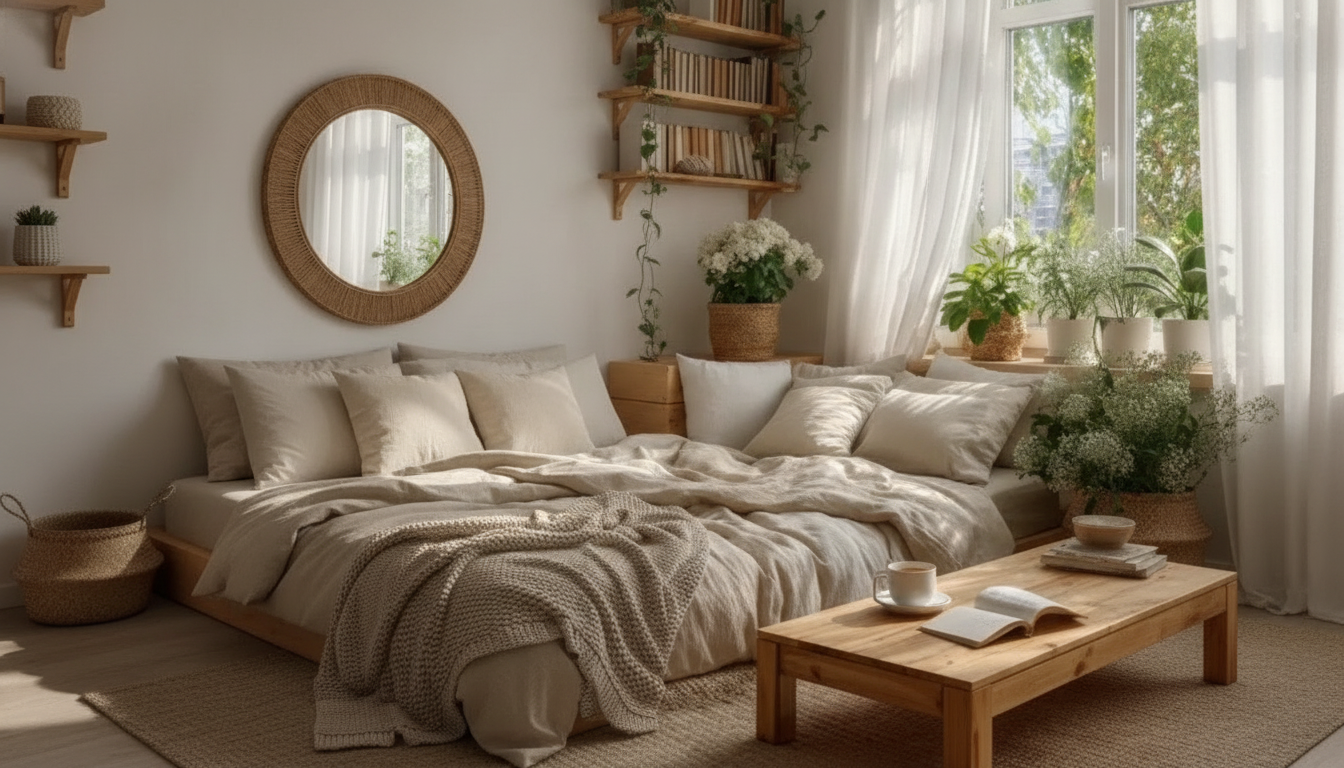
Organizing Your Bedroom for Comfort and Space: A Practical 3‑Step Reset
A comfortable bedroom feels calm, functions smoothly, and leaves room to breathe—no matter the square footage. The fastest way to get there isn’t buying more furniture; it’s resetting what’s already in the room so it supports sleep, dressing, and a steadier start and end to the day. Use this simple three-step approach: clear what disrupts rest, assign every item a home, and maintain the layout with quick routines you can actually keep up with.
Start with comfort: define what the room needs to do well
Before moving a single item, decide what “comfortable” means for you. Pick 2–3 non-negotiables—like better sleep quality, easy dressing, or calm surfaces that stay usable. These become your decision filter: if something makes those harder, it doesn’t belong in the bedroom (or at least not out in the open).
Next, notice what currently blocks comfort. Common culprits include visual clutter, tight pathways, hard-to-reach clothing, and noisy nightstand piles. Set a few boundaries that instantly improve the feel of the room:
- Clear floor space around the bed so you can walk without sidestepping laundry or shoes.
- Keep the nightstand top usable (not a storage shelf).
- Use a laundry system that closes, like a basket or hamper with a lid, so “in progress” doesn’t look like permanent mess.
Finally, decide on a “quiet zone” near the bed: only sleep-related items plus a small set of essentials. If you want the room to encourage rest, the area you see first (and last) should stay low-noise and low-decision.
Quick reset: clear surfaces and restore pathways first
If the room feels overwhelming, start with what you touch daily: the bed, nightstands, and the main “drop zone” (chair, bench, dresser corner). Remove everything from those surfaces and make four temporary categories:
- Keep here (belongs in the bedroom and has a clear home)
- Move elsewhere (belongs in another room)
- Donate/sell (useful but no longer needed)
- Trash/recycle (broken, expired, or empty)
Then prioritize walkways. A clear path from the door to the bed and to the closet/dresser reduces daily friction and helps the room feel larger. For open-surface decor, stick to a small repeatable set—like lamp + book + tray, or plant + candle + tray—so surfaces don’t quietly turn into catchalls again.
10-minute pathway checklist
| Area | Goal | Fast action |
|---|---|---|
| Bedside | Clear top | Put small items in a tray; return only nightly essentials |
| Floor | Open path | Hang clothing, move shoes to a bin, remove bags |
| Dresser top | One landing zone | Add a small catchall; relocate grooming items to a container |
| Doorway | Easy entry | Add hooks for frequently used items; remove excess |
Make space by sorting: keep what supports rest and daily routines
Once surfaces and pathways are clear, sorting becomes easier because you can see what you have. Focus on the categories that most often spill into the bedroom:
Sleep quality is closely tied to the bedroom environment. For practical, evidence-based guidance, review tips from the Mayo Clinic and the CDC on sleep hygiene and healthy sleep habits.
Assign homes: storage zones that reduce daily decision fatigue
Bedroom storage zones that keep clutter from returning
| Zone | What belongs here | Container ideas |
|---|---|---|
| Bedside essentials | Book, glasses, hand cream, charger | Tray, small drawer dividers |
| Daily dressing | Work/errands outfits, underwear, socks | Drawer organizers, slim hangers |
| Occasional wear | Formalwear, specialty items | Garment bags, top-shelf bins |
| Recharge | Phone/watch/earbuds charging | Charging dock, cable clips |
| Laundry loop | Dirty clothes, re-wear items | Lidded hamper, hooks for re-wear |
Layout tweaks that increase comfort without buying more furniture
If you want a more refined bedside look while keeping surfaces clear, consider a wall-mounted option like the Luxury Retro French Romantic Copper Crystal Wall Lamp, which can free up nightstand space and reduce visual clutter around cords and accessories.
Maintain the calm: simple routines that take under 5 minutes
Maintenance rhythm
| Frequency | Task | Time |
|---|---|---|
| Daily | Clear surfaces + laundry into hamper | 3–5 min |
| Weekly | Catchall tray reset + quick tidy | 10–15 min |
| Monthly | Small declutter pass in one zone | 20–30 min |
Use the 3‑in‑1 digital bundle as a repeatable plan
If you prefer a simple system you can re-run without rethinking every decision, the Organizing Your Bedroom for Comfort and Space – 3 in 1 Digital Bundle works well as a reset roadmap. Work through the steps in order: reset surfaces, sort and zone, then build a maintenance routine.
If your bedroom clutter is largely clothing-related, pairing your room reset with a more intentional closet plan can help reduce overflow long-term. The Budget Style Strategy Bundle for Everyday Looks – 5-in-1 Digital Download can support more streamlined outfit decisions so fewer “maybe” items linger on chairs and benches.
FAQ
How can a small bedroom feel larger without remodeling?
Focus on clear pathways, reduce surface clutter, store off-season items out of sight, and use vertical storage like hooks and shelves. Keep visible decor limited and consolidate charging to one station to reduce cord and item sprawl.
What should stay on a nightstand for a calmer bedroom?
Limit it to nightly essentials: a lamp or light, a charger, a book, and a small tray for tiny items. Move everything else into drawers or a nearby bin so the surface stays usable.
How do you keep a tidy bedroom when time is limited?
Rely on short routines: a 3–5 minute nightly reset, a weekly catchall-tray emptying, and a monthly mini-declutter of one small zone. Make storage one-touch so putting things away feels effortless.
Recommended for you



Clingy Toddler Phases: What’s Normal and How to Help
Jun 15, 2026










Leave a comment