-
Shop
- Adidas
- Advanced Technologies
- AI Skills Mastery 2026 Collection
- Astrology & Tarot Products
- Beauty
- Beauty Guides Collection
- Best-Sellers
- Car Accessories
- Confidence
- Dating & Social Skills
- Digital Resources
- AI & Technology
- AI Skills
- Budgeting & Saving
- Car Buying & Ownership
- Cozy Feast Collection
- Electronics & Technology
- Emotional Intelligence
- Entrepreneurship & Business Growth
- Financial Education
- Financial Independence
- Financial Mindset & Psychology
- Goal Setting
- Hobbies
- Home Styling & Organization
- Kitchen & Recipes
- Leadership
- Mindfulness
- Mindset
- Motivation
- Online Business
- Parenting & Child Development
- Pet Lifestyle & Wellness
- Positive Thinking
- Productivity
- Self Confidence
- Sleep Improvement
- Smart Life with AI
- Stress Management & Relaxation
- Travel Planning
- Yoga & Fitness
- Yoga & Mind-Body Practices
- Education & Learning
- Family & Parenting
- Fashion
- Alexander McQueen
- Bags
- Bags & Wallets
- Balenciaga
- Belts
- Blazers
- Bottega Veneta
- Brunello Cucinelli
- Burberry
- Chanel
- Chloé
- Dior
- Dolce & Gabbana
- Dresses
- Etro
- Fendi
- Gucci
- Hats & Hair Accessories
- Hoodies & Sweatshirts
- Jacquemus
- Jil Sander
- Keychains
- Kiton
- Luggage
- Miu Miu
- Off-White
- Outerwear
- Prada
- Rick Owens
- Saint Laurent
- Shoes
- Socks & Tights
- Sweaters & Cardigans
- The Row
- Tom Ford
- Tops & Shirts
- Valentino
- Valentino Garavani
- Versace
- Vivienne Westwood
- Watches
- Fashion Accessories
- Furniture
- Gadgets
- Health & Beauty
- Health & Wellness
- Home & Garden
- Home Supplies
- Jewelry
- Kids & Babies
- Kitchen
- Kitchen Best-Sellers
- Nike
- Patio, Lawn & Garden
- Personal Growth
- Personal Style & Fashion
- Pet Care
- Pet Supplies
- Pets
- Smart Home Living Guides
- Sport & Outdoors
- Stress Relief & Relaxation
- Super Deals
- TikTok Growth & Monetization Mastery
- Travel
- Travel & Adventure
- Wealth
- Wellness
- Popular
- Best deals
Pet Health Monitoring Checklist: Simple Tools & Routine
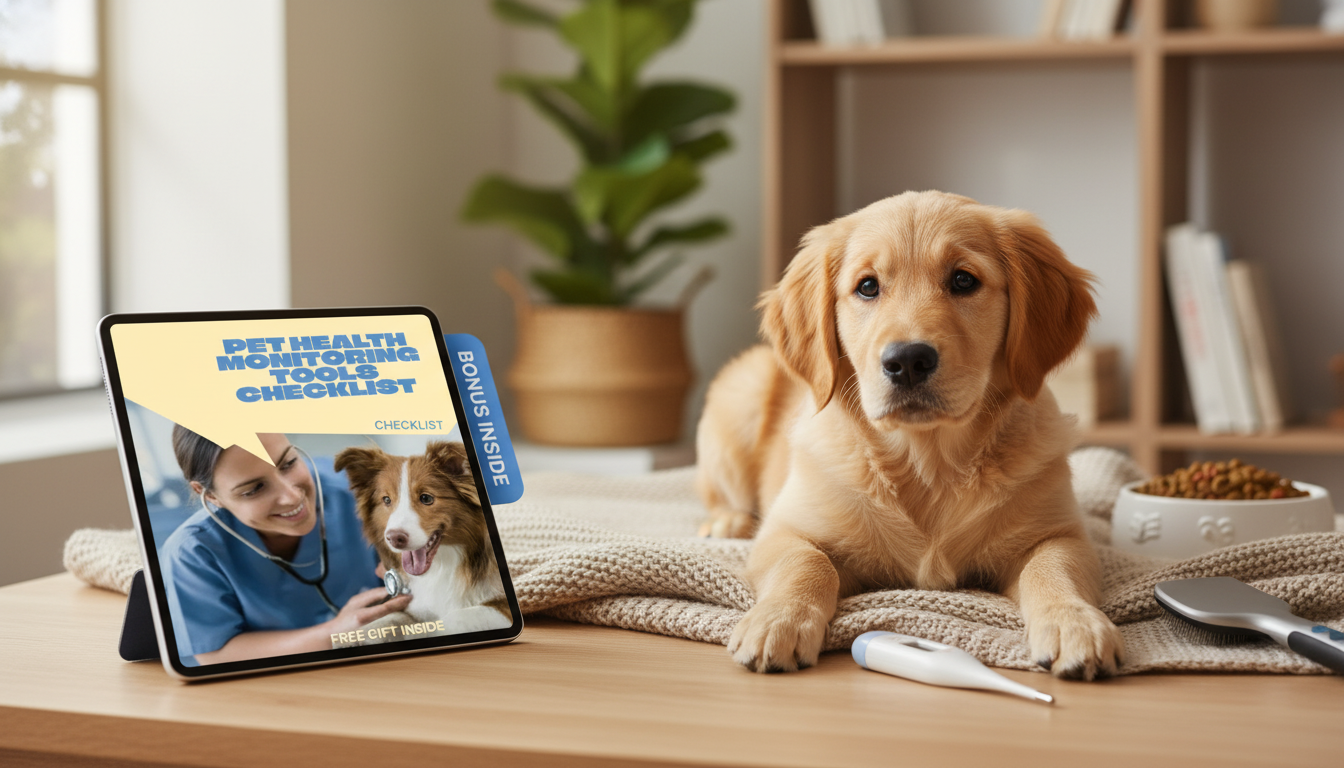
Pet Health Monitoring Tools Checklist: Smart, Simple Tracking for Proactive Pet Care
Consistent home monitoring helps spot subtle changes early—before they become bigger problems. A few low-stress tools and a quick routine can help you learn your pet’s “normal,” catch trends sooner, and share clear, useful notes with a veterinarian when needed. The goal isn’t to turn your home into a clinic; it’s to make everyday observations easy, repeatable, and calm for both you and your pet.
What “normal” looks like: set a baseline first
Before any checklist is useful, you need a baseline—your pet’s typical patterns when they’re feeling well. Spend 7–14 days recording what’s normal, not perfect.
- Record typical appetite, water intake, energy level, sleep, and bathroom habits for 7–14 days.
- Note normal body condition (for many pets: ribs can be felt but not seen), coat quality, and usual breath odor.
- Track routine “tells” like greeting behavior, play style, and tolerance for handling (paws, ears, mouth).
- Capture a clear full-body photo monthly (side and top view) to notice gradual changes.
If you’re unsure what’s normal for your species or breed, reputable pet-owner resources from the American Veterinary Medical Association (AVMA) and the American Animal Hospital Association (AAHA) can help you frame what to watch for between visits.
Smart and simple tools that cover most home monitoring needs
You don’t need a drawer full of gadgets. A few consistent tools—used the same way each time—cover most home monitoring goals.
- Digital kitchen scale (for small pets) or bathroom scale method (for cats/small dogs) to track weight trends.
- Soft measuring tape for waist/chest measurements if weight is hard to obtain consistently.
- Pet-safe thermometer (only if recommended and you are trained by a veterinary team) for illness monitoring.
- Phone camera for skin/coat changes, gait videos, and progress photos after treatment.
- Notebook or digital notes app for daily logs; calendar reminders for monthly checks and meds.
Home monitoring tools and what to track
| Tool | Best for tracking | How often | Tip to keep it easy |
|---|---|---|---|
| Scale | Weight changes, fluid retention, weight loss | Weekly (or as advised) | Weigh at the same time of day, before meals |
| Measuring tape | Body shape changes, swelling | Monthly or when concerned | Measure the same landmarks each time |
| Camera/video | Limping, coughing, skin issues, healing progress | As needed + monthly baseline photos | Use the same lighting and distance when possible |
| Notes log | Appetite, water, energy, stool/vomit, meds | Daily (2–3 minutes) | Use simple ratings (normal/less/more) |
| Timer/stopwatch | Breathing rate at rest, recovery after play | When monitoring a concern | Count when sleeping or calmly resting |
Helpful digital options (simple, not fussy)
If you prefer a ready-made structure rather than building your own, the Pet Health Monitoring Tools Checklist (digital download) is designed for quick daily entries and easy weekly/monthly review. For shoppers who like downloadable guides in general, there’s also the Budget Style Strategy Bundle for Everyday Looks – 5-in-1 Digital Download (a separate, non-pet guide) for organizing everyday routines.
Daily check (2–3 minutes): the essentials to notice early changes
A daily check works best when it’s brief and consistent. You’re looking for “different from baseline,” not a perfect report.
- Appetite: normal portion eaten, interest in treats, chewing comfort.
- Water: noticeable increase/decrease; refill frequency; changes in bowl habits.
- Energy and mood: play interest, social interaction, hiding, irritability.
- Bathroom habits: stool consistency, frequency, straining, urine volume, accidents.
- Quick body scan: new lumps, tenderness, scratching, ear shaking, paw licking.
- Comfort cues: panting at rest, pacing, reluctance to jump/climb, stiffness.
When possible, capture one clear detail instead of a long paragraph (example: “less appetite—left 30% of breakfast; chewed on left side only”). Those specifics are easier to compare across days.
Weekly and monthly check-ins: trends matter more than one-off readings
Many meaningful changes show up as a slow pattern. Weekly and monthly check-ins help you see the direction things are moving.
- Weekly: weigh-in, coat/skin review, nail length check, dental look (as tolerated), tick/flea check.
- Monthly: photo set (side/top), measure waist/chest if useful, review notes for recurring patterns.
- Seasonal: allergy flare patterns, heat tolerance, parasite prevention schedule alignment.
- Flag slow shifts: gradual weight loss/gain, increasing thirst, reduced stamina, chronic soft stool.
Try to keep conditions similar—same scale, same location, similar time of day. Consistency makes small changes easier to trust.
Red flags that warrant prompt veterinary advice
Home monitoring is for observation, not delaying care. Contact a veterinary clinic promptly if you notice any of the following.
How to use the checklist as a simple routine
Digital download: ready-to-use tracking for proactive pet care
If you want a plug-and-play format, you can start with the Pet Health Monitoring Tools Checklist (digital download) and personalize it to your pet’s baseline and any vet-advised monitoring goals.
FAQ
How often should a pet’s weight be checked at home?
Weekly is a practical cadence for many pets, using the same scale and time of day (ideally before meals). Focus on trends over single readings, and contact your veterinarian for rapid, unexplained gain or loss.
What’s the easiest way to track symptoms so a vet can use the information?
Use short, consistent categories (appetite, water, energy, stool/urine, meds) with dates, and add frequency/duration when something changes. Photos or short videos are especially helpful for coughing, limping, or skin changes.
When should home monitoring stop and a vet be contacted right away?
Seek prompt veterinary help for breathing trouble, collapse, suspected toxin ingestion, inability to urinate, uncontrolled bleeding, severe pain, pale/blue gums, or persistent vomiting/diarrhea. When in doubt, calling sooner with your notes can prevent dangerous delays.















Leave a comment